
ARTISTS' MANUALS
(How To Do It Books)
some titles may need a back button to return here

THE OPPORTUNITIES
|
THE ARTISTS' YEAR BOOK 1938 |
|
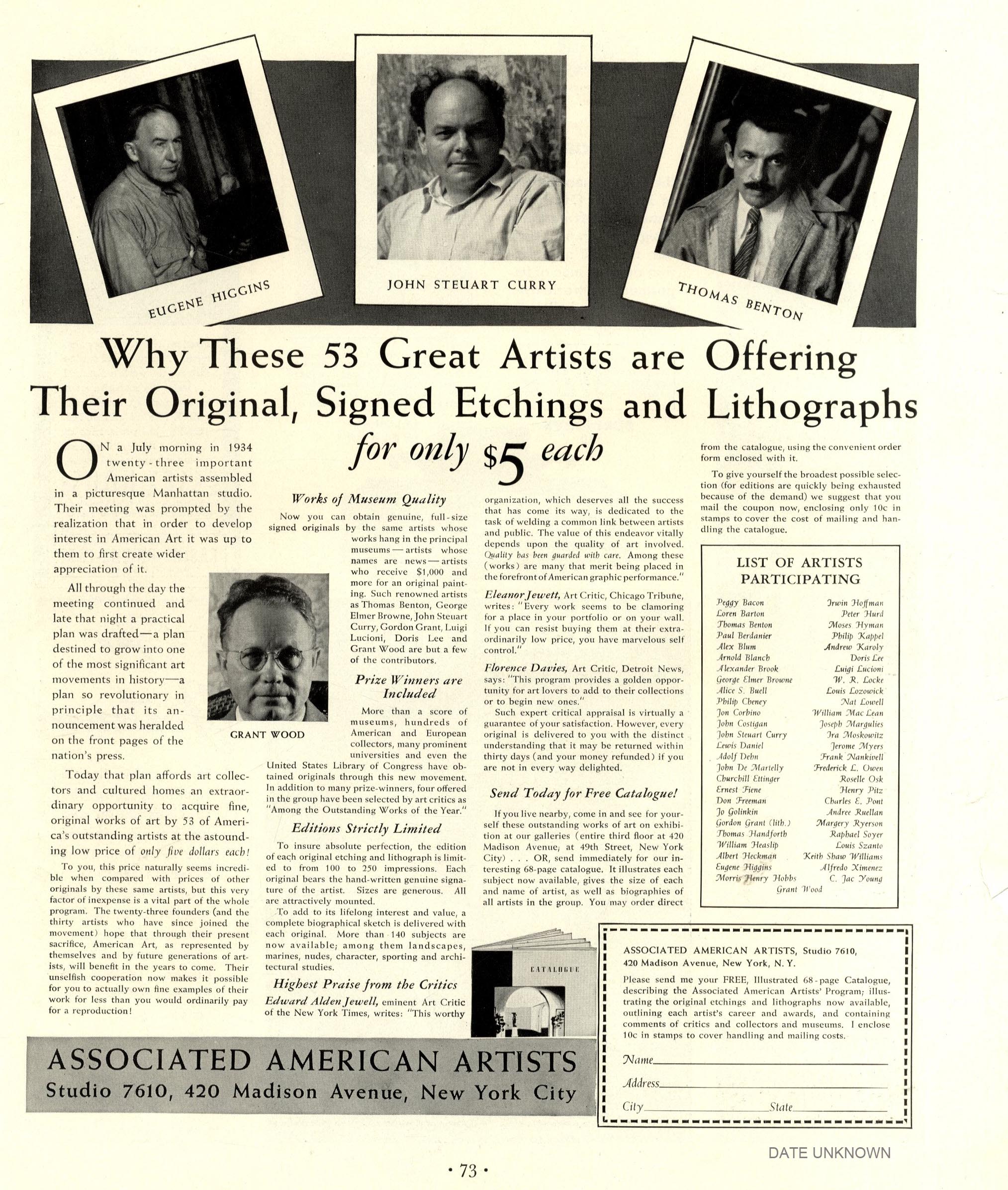
ASSOCIATED AMERICAN ARTISTS, prints for five dollars, Benton, Curry, Higgins, Wood |
|
HINTS FOR ARTISTS, CECIL TREW, 1940 (Book Jackets, Tools, exercises etc) |
ACADEMIC RULES
|
C.R.LESLIE, HANDBOOK FOR YOUNG PAINTERS 1855 |
FUNCTIONAL DRAWING
|
Conant Broadribb, DRAWING ARCHAEOLOGICAL FINDS FOR PUBLICATION , 1971 |
ART AND DRAWING
|
Hatton , FIGURE COMPOSITION 1905 , |
|
Norman Anton , BLACK AND WHITE DRAWING, 1961 |
|
Ellis Davidson , Linear Drawing (Cassell's Technical Manuals) , selection c1870 |
|
Ernest Hareux , Practical manual of Painting in Colour in Oil Colours |
|
Daniel Green , Pastel |
|
Robert Fawcett , On the Art of Drawing 1977 |
|
Herbert Sanders, CULT OF THE PASTEL, London 1920 |
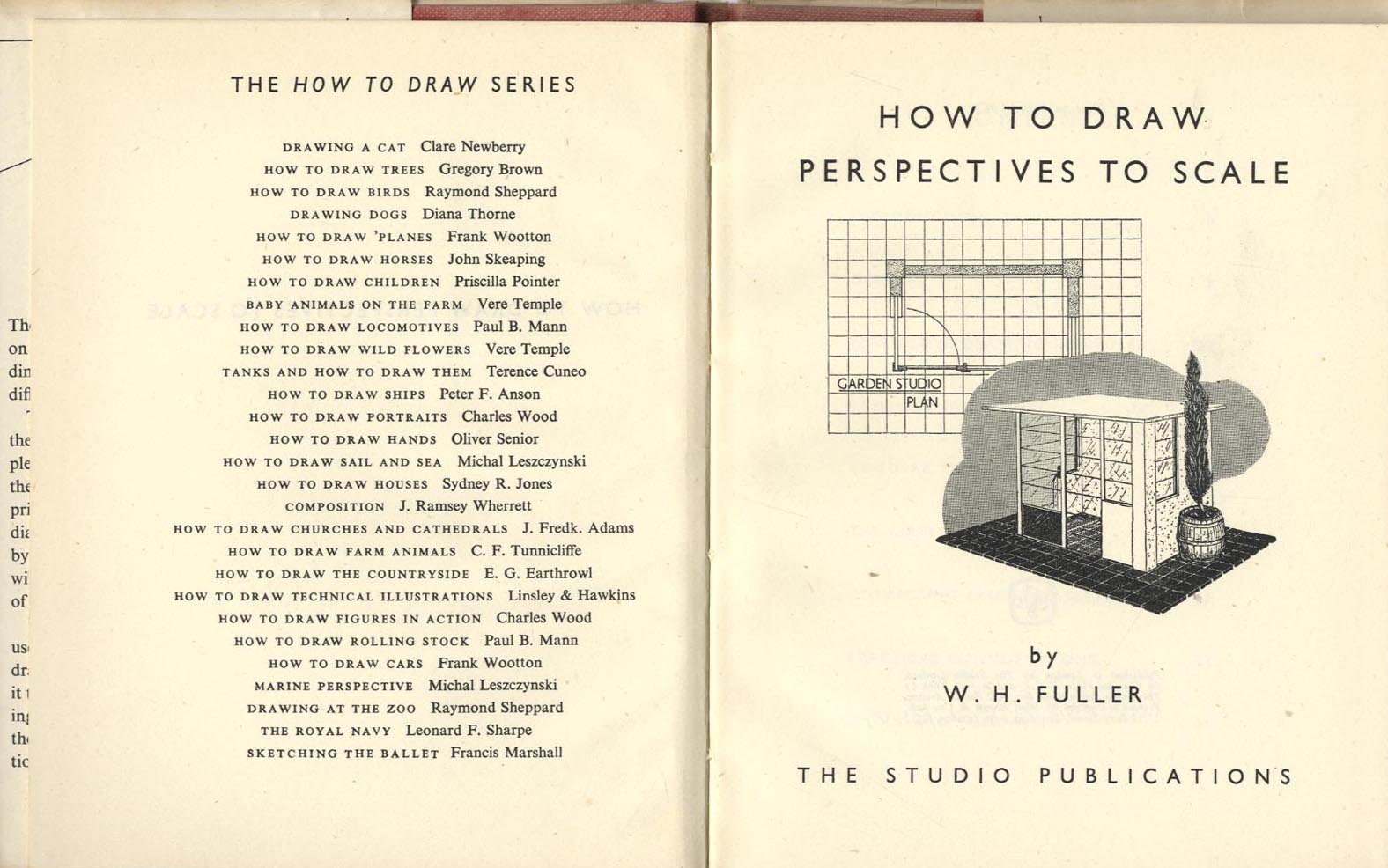 |
Studio How to Draw series 1952 a list of titles (single) |
Cecil Bacon, Scraperboard Drawing, 1951 |
|
ANDREW LOOMIS, three books on drawing |
|
PEN DRAWING, an illustrated treatise Charles Maginnis, 1899 |
|
Arthur W. Dow, Composition 1913 (1899) |
 |
Kimon Nicolaides, The Natural Way to Draw, 1941 |
|
Arthur Zaidenberg, Anyone can Draw, 1939 |
|
Cecile Curtis, ABC of Scraperboard |
|
Alexander Cozens, A New Method of Landscape The1785 |
|
Edward Billin, Drawing on Scraperboard, 1952 (complete) |
|
Percy Bradshaw, I Wish I Could Draw, 1949 |
|
Austin Cooper, Making a Poster, 1945 |
|
Austin Cooper, Making a Poster, 2 |
|
Adolph Dehn, How to Draw and Print Lithographs, 1950 |
|
Adolphe Armand Braun, Greek Way of Drawing 1916 |
|
Adolphe Armand Braun, Folds, Faces and Figures 1928 |
|
Pencil Drawing for Fun 1955, Fawcett Publishing |
|
Ashley Havinden, Line Drawing for Reproduction, 1949 |
|
Anton Refregier, Natural Figure Drawing, 1960 (1948) |
|
Cyril Farey, Architectural Drawing, 1949 |
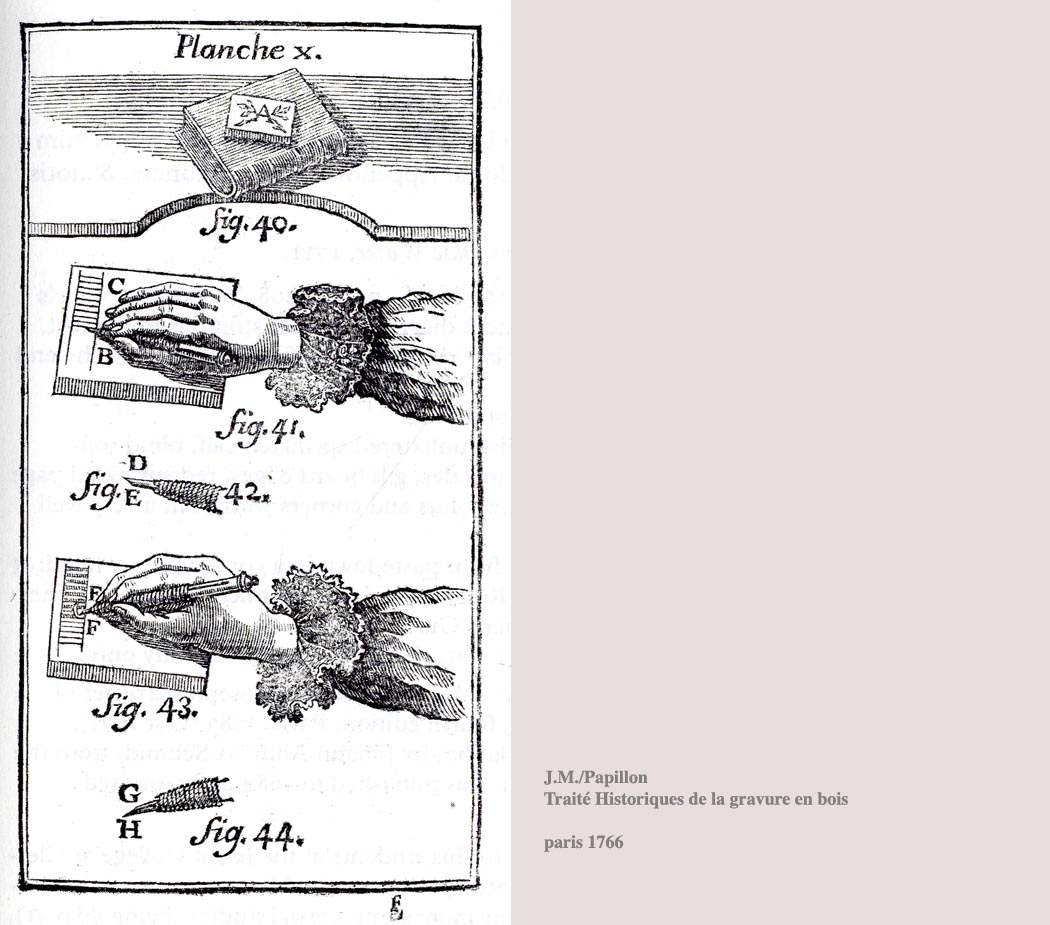 |
J.M.Papillon, Traité Historiques de la gravure en bois, Paris 1766 |
|
E.J.Sullivan, Line, 1922 |
|
Eric Watson, Life Drawing Made Easy undated c1948 |
|
Paul Hogarth, Drawing Architecture 1979 |
|
Albert O. Halse, Architectural Rendering, 1960 |
|
John Hullah Brown Sketching without a Master, 1951ed. |
|
Vere Foster's Drawing Manual, Landscape and Marine (Blackie's) |
|
John Austen, The ABC of Pen and Ink Rendering 1937 |
|
Eric Hobbs, Drawing for Advertising, 1956 |
|
George Leech, Magazine Illustration, The Art Director's Point of View, 1939 complete |
|
Alexander Murray, How To Draw , 1932 selected plates |
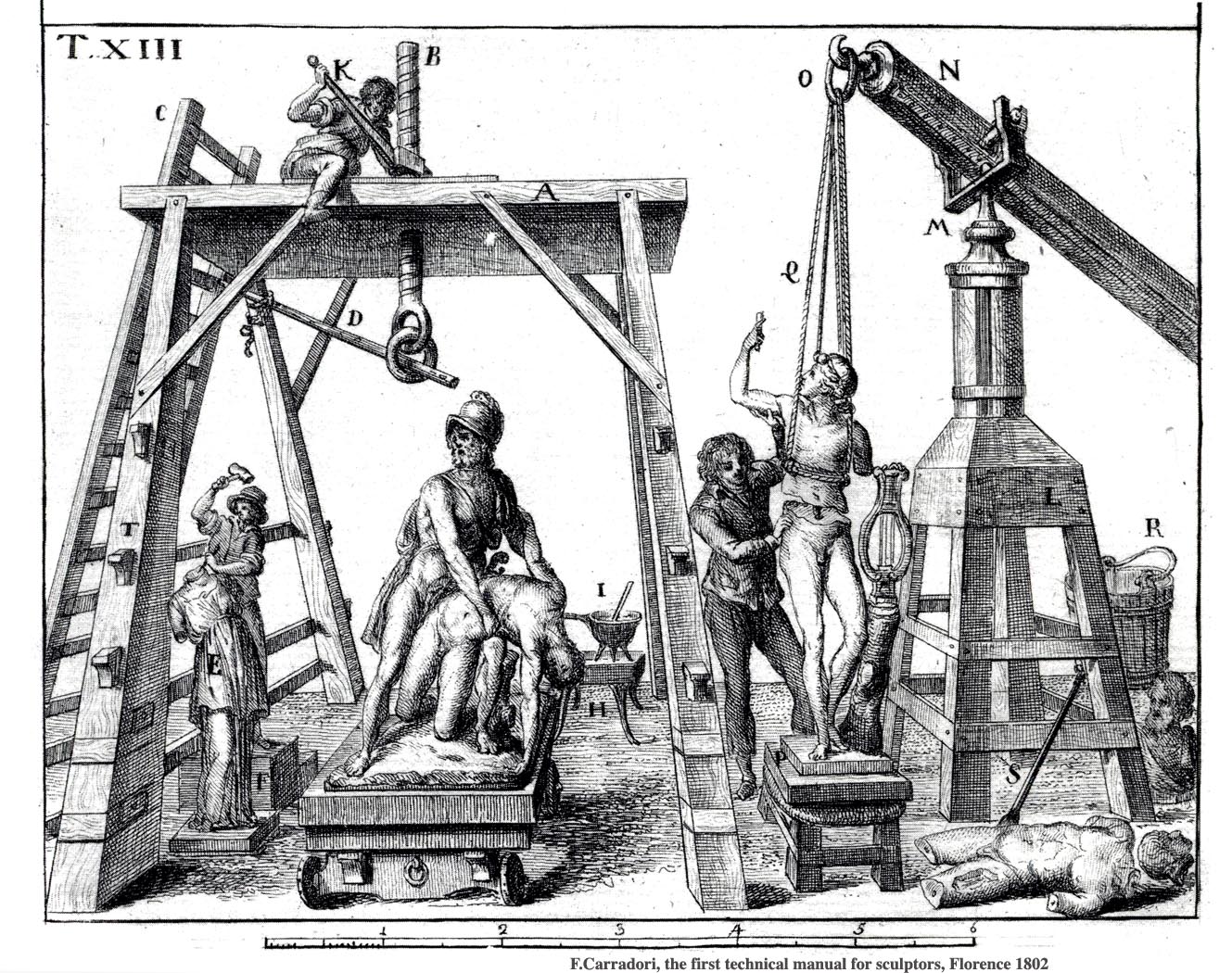 |
Carradori, the first manual for sculptors, Florence 1802 (single) |
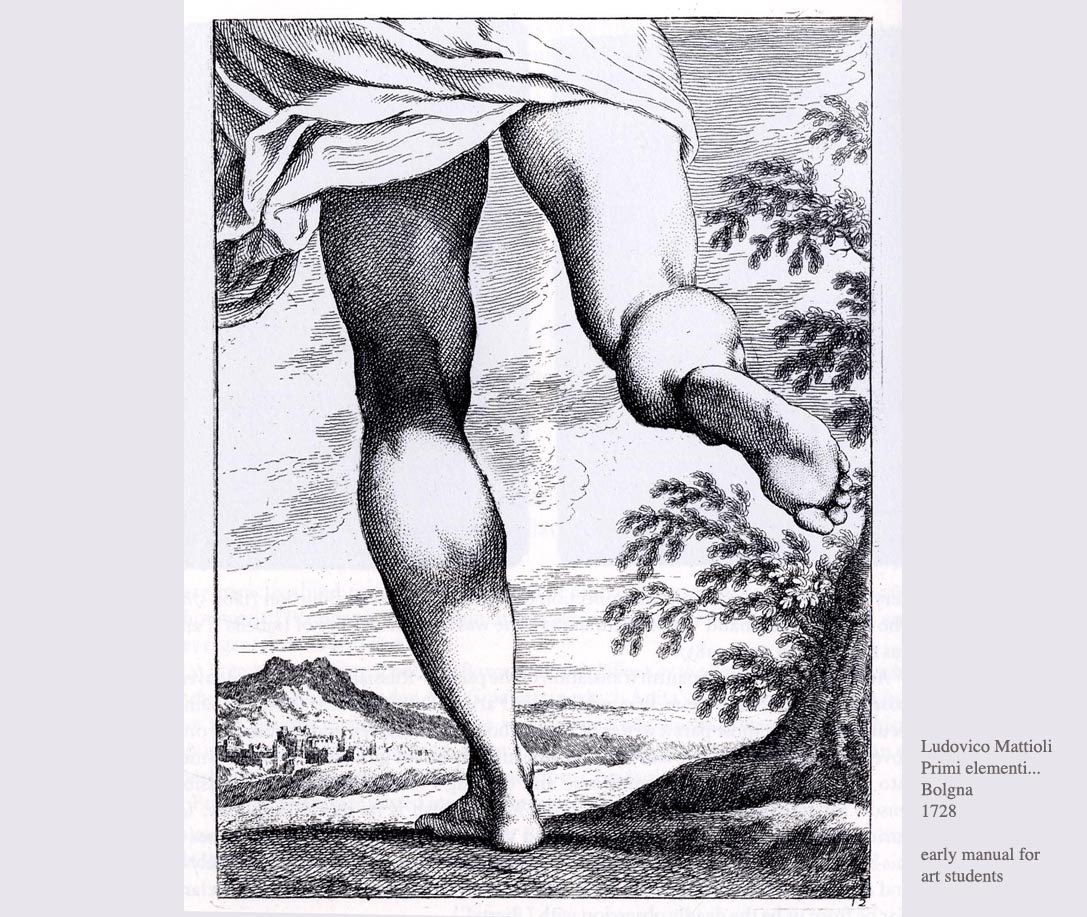 |
Mattioli, Primi Elementi... Bolgna 1728, an early drawing manual single |
|
M.C.Cuzner, Drawing without Drudgery, Pitman 1935 |
|
Faith Jacques, Drawing in Pen and Ink 1964 |
|
Barnard's Landscape Painting 1855, with colour charts |
|
R.P.Leitch A Course in Sepia Painting 1883 |
|
Joy Postle, Drawing Birds, 1953 |
|
Raymond Sheppard, How to Draw Birds, Studio 1948 edition |
|
Victor Perard, Figure Drawing 1946 |
|
Terence Cuneo , Tanks and How to Draw them, Studio 1945 |
|
Gregory Brown, How to Draw Trees 1942 |
|
William Walker, A Handbook of Drawing 1880 |
|
Christopher Hart , How to Draw Comic Book Heroes and Villains |
|
Leslie Hill ,OIL PAINTING FOR AMATEURS, pamphlet |
single drawing
|
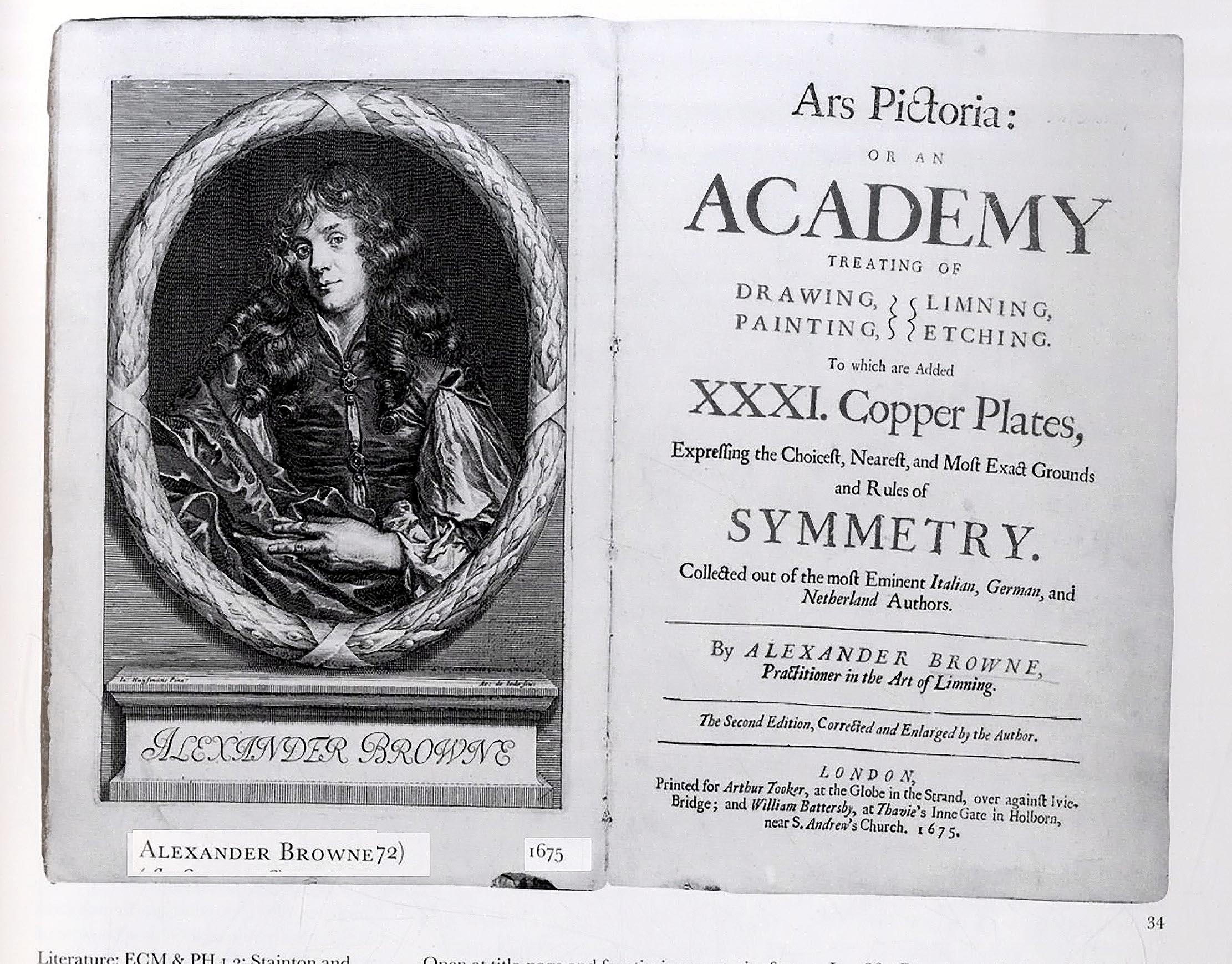
Alexander Browne, ARS PICTORIA, titlepage 1675 |
PRINTMAKING/PRINTING
|
HERBERT WOOLF, The Pressmen's Ink Handbook , New York 1952 |
|
ALBERT CHAPMAN, LINOCUTS 1932 |
|
John Farleigh, Engraving on Wood 1954 |
Hans Mueller, Wood Cuts and Wood Engraving 1939 |
Bernard Sleigh, Wood Engraving 1932 |
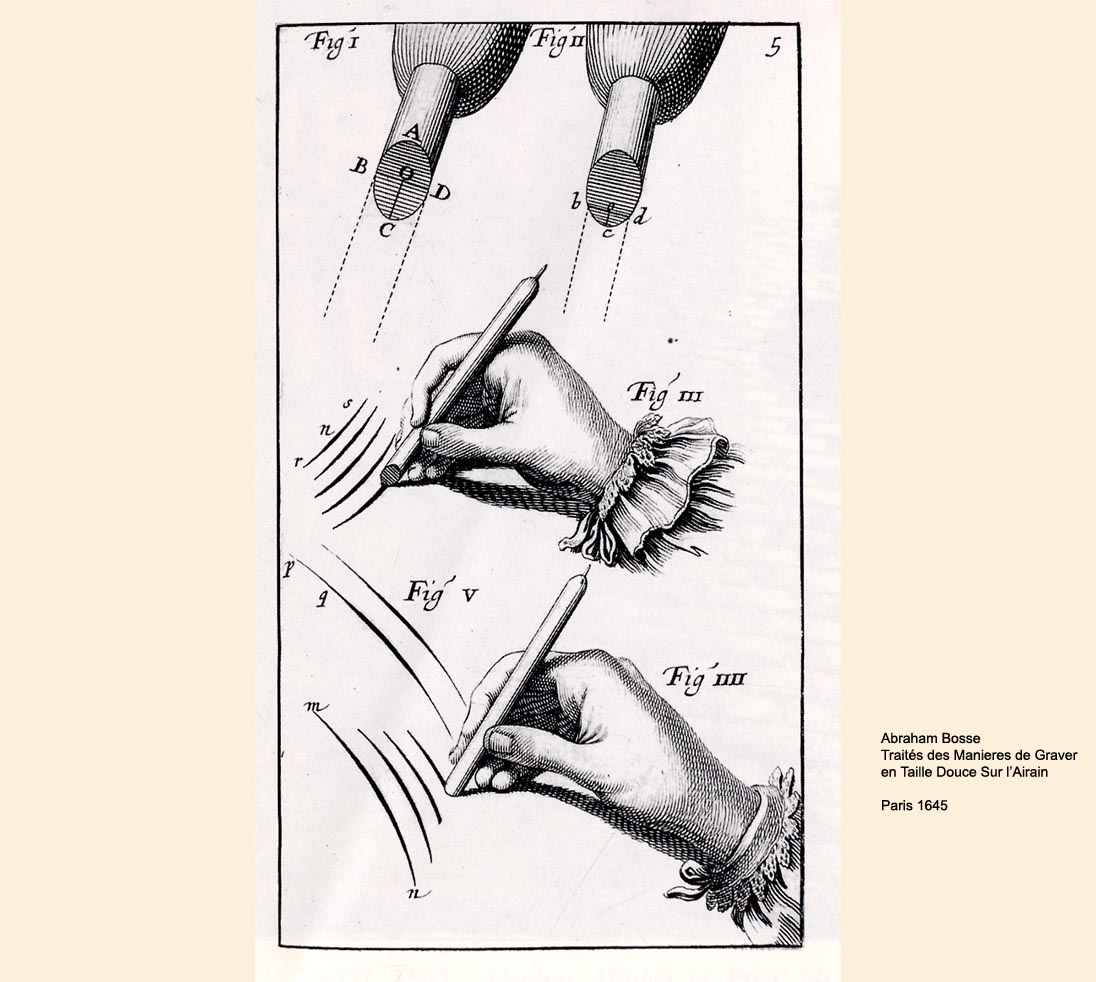
Abraham Bosse, Traités des Manieres de Graver...Paris 1645 |
J.J.Lankes, A Woodcut Manual 1932 |
R.John Beedham, Woodengraving, 1921 with introduction by Eric Gill |
W.T.Robins, Etching Craft, 1914 with introduction Martin Hardie |

GENERAL SECTIONS
|
Painter's Problem Book, 20 problem subjects, Joseph Dawley |
|
Perspective general Menu |
|
Colour Books (Chris Mullen's collection) |
|
Artists' Correspondence Courses |
INDIVIDUAL ARTISTS giving advice
|
GORDON ONSLOW FORD, Painting in the Instant 1964 |
PERSPECTIVE
|
P. Le Dubreuil, La Perspective pratique, 1642 |
|
Norling on Perspective 1929a and c1955 |
|
Fuller, Perspectives to Scale 1952 |
|
Andrea Pozzo Perspective in Architecture and Painting 1707 |
|
Andrea Pozzo , Perspective (initials) |
|
Gallery of Classic Plates |
|
Albert Muhlemann, Observation & Dessin, 1926 (book now complete) |
|
George Hayter , Introduction to Perspective (etc) 1845 edition |
|
Edward LANING ,Perspective for Artists. 1967 |
TRADE CATALOGUES FOR ARTISTS
|
WINSOR AND NEWTON The Sketcher's Colour Manual, artists' equipment 1896 |
|
Dacres Rabjohns Drawing Equipment |
|
Paul Dollfus, Modeles d"Artistes, Paris 1898 |
AIR-BRUSH
|
S.Ralph Maurello, The Complete Airbrush Book 1955 |
|
Elyce Waterman for Random, AIR-POWERED THE ART OF THE AIRBRUSH 1979 |
|
ANTONIO PETRUCCELLI the studio at Mount Tabor |
|
THE ADVANCED AIRBRUSH BOOK 1984 |
|
AIRBRUSHING AUTOMOBILES 1989 |
|
AIRBRUSHING FOR FINE AND COMMERCIAL ARTISTS Robert Paschel |
COPYING PRINTS
|
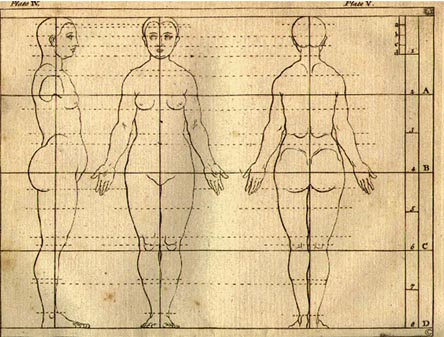
Portfolio of Drawings by James Parry, 1840, after Tinney's Compendium Anatomicum 1743 |
ANATOMY
|
Eugene Wolff, Anatomy for Artists, 1962, selected plates |
|
Jeno Barcsayl, Anatomy for the Artist, 1968 |
| J.H.Vanderpoel, The Human Figure, 1922 |
STAGE
|
M.G. SAY Lighting the Amateur Stage , 1956, selected plates |
DRAWING / GRAPHIC -
LETTERING/COMIC- ADVERTISING
COMMERCIAL ART
|
COMICS AND SEQUENTIAL ART, Will Eisnert |
|
CHINESE CALLIGRAPHY, Chiang Yee |
|
THOMAS RUSSELL , A WORKING TEXT-BOOK OF ADVERTISING, 1922 EDITION |
|
PAUL SACHS, Modern Prints and Drawing , photographic images of print techniques. |
|
F Young , Advertising Layout 1928 1920 |
|
E.G.Lutz, Practical Graphic Figures, 1925 |
|
Calligraphy Wyss Copying Book, for Schools |
|
Calligraphy GENERAL MENU |
|
Vere Foster's New Civil Service Copy Book undated c1895 |
|
Friend and Hefter, Graphic Design 1936 |
|
L.Doust, A Manual of Caricature and Cartoon Drawing, 1936 |
|
Louis Valentine, How to Be a Lightning Cartoonist, c1950 |
|
R.Taylor, Introduction to Cartooning, 1947 |
|
Erdmann & Braun, Decorative Writing and the Arrangement of Lettering c1922 |
|
James Gardner, Drawing for Advertising, 1938 |
|
Will Clemence, Manual of Postercraft , c1930 |
|
Frank Reynolds, Humorous Drawing for the Press, 1947 |
|
Edgar Bond , Showcard Layout and Design , 1932 |
|
Gene Byrnes, A Complete Guide to Drawing, Illustration, Cartooning and Painting 1948 |
|
Richard Taylor, An Introduction to Cartooning, 1947 |
|
Mateusz Odrobny, Water Gilding website 2014 |
|
Erdmann and Braun, Decorative Writing and Arrangement of Lettering, 1920 |
|
Illustrations for Displays and Showcards, W. Vicars, 1938 |
|
W.A. Vickers, Illustration for Displays and Showcards second scanning 2 galleries |
|
Robert Forman Over the Drawing Board, 1962 |
|
W.A.S.Herbert, Caricatures and How to Draw them, 1951 |
|
anon , Pen and Brush Lettering, Practical Alphabets 1947 |
|
Brush and Free Style Alphabets - Dan Solo and Solotype examples |
|
POSTER DESIGN, Studio How to do it, Tom Eckersley - Dan Solo and Solotype examples |
|
BOOK PLATES, Studio How to do it series, Mark Severin, Studio How to do it, |
|
Robert Veno, Manuel... d'Etalagisme 1955, shop windoe design and colour harmonies. For shop window designers |
|
DRAWING POPEYE |
|
CARTOONS, I Meet such people, Gurney Williams, Cartoon editor of Colliers, 1946 |
|
MANUAL OF DESIGN, Richard Redgrave 1876 with advertisements |
|
HINTS AND TIPS FOR COMMERCIAL ARTISTS, Palmer , Pitman 1931 |
|
HOW TO PACKAGE FOR PROFIT, Larrabee 1935 |
PHOTOGRAPHY
|
E.Heimann , Creative Table Top Photography 1957 (1949) |
|
Spencer, Colour Photography in Practice 1948 |
|
Steinhauser , The Miniature Camera at work, 1938 Dresden |
SCULPTURE PAPER AND SOAP
|
Fabri, Sculpture in Paper |
|
Lester Gaba , SOAP CARVING, studio |
|
Bruce Angrave , PAPER INTO SCULPTURE, 1981 |
THE MECHANICAL
|
MOXON'S MECHANICK EXERCISES 1704, selected plates |
|
ANIMATED RETAIL DISPLAYS (1959) |
MUSIC
|
Thomas Mace, Musick's Monument 1676 |
|
Peter Prelleur, The Modern Music Master or Universal Musician, 1731 Michael Pretorius, Syntagma Musicum, Wittemburg and Wolfenbuttel, 1615 - 1620; Hans mersenne. Harmonie Universelle, Paris, 1637/8 |
|
John Playford's, Musick's Recreation 1682 |
DESIGN / DIY
|
Mary Davis Gillies, Popular Home Decoration , 1948 (1940) |
|
Allen Seaby, Pattern without Pain , 1948 |
|
E.Davidson, A Practical Manual of Housepainting, Graining, Marbling 1986 |
|
Alan Smith, Fabric Printing, 1953 |

SINGLE PLATES FROM MANUALS
|
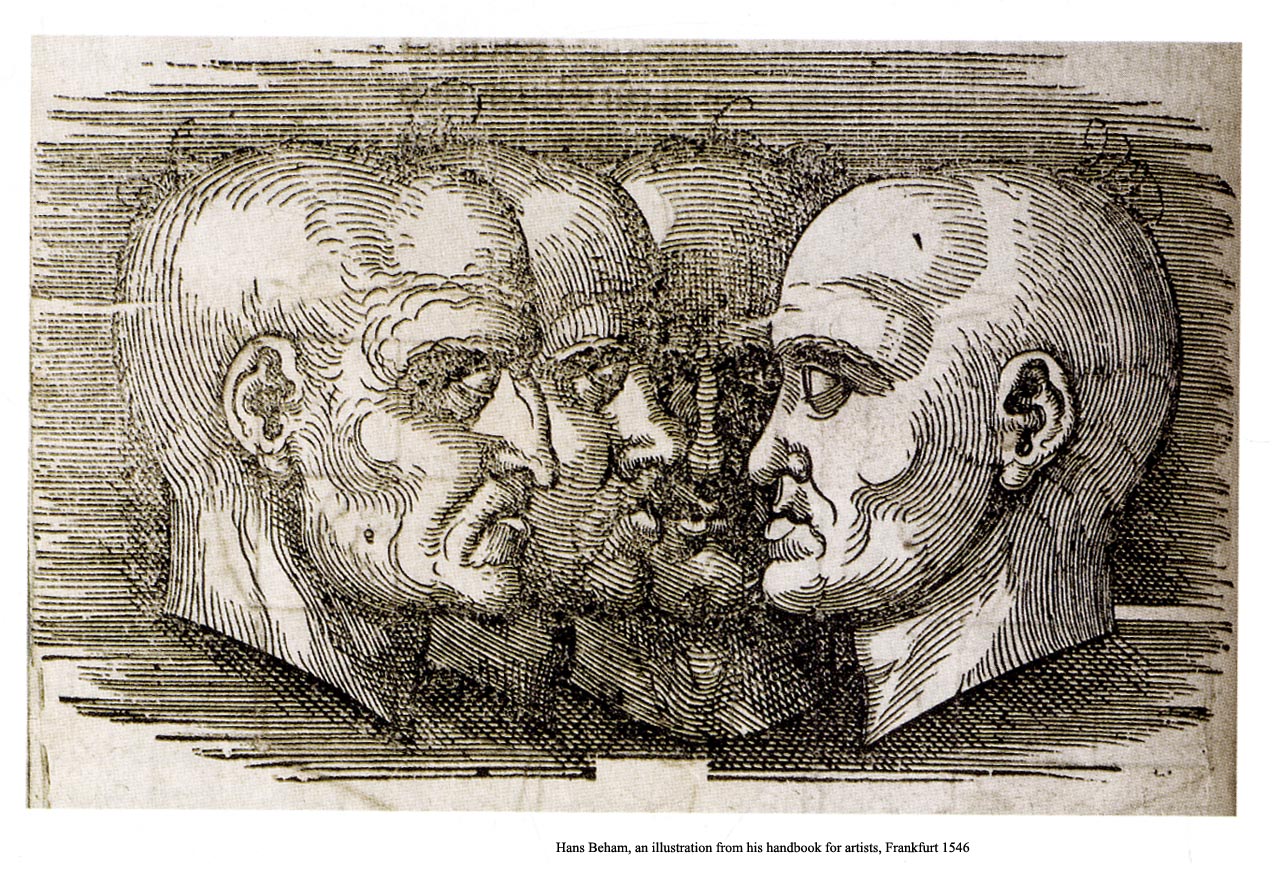
HANS BEHAM , ART MANUAL (HEADS) , 1546 |
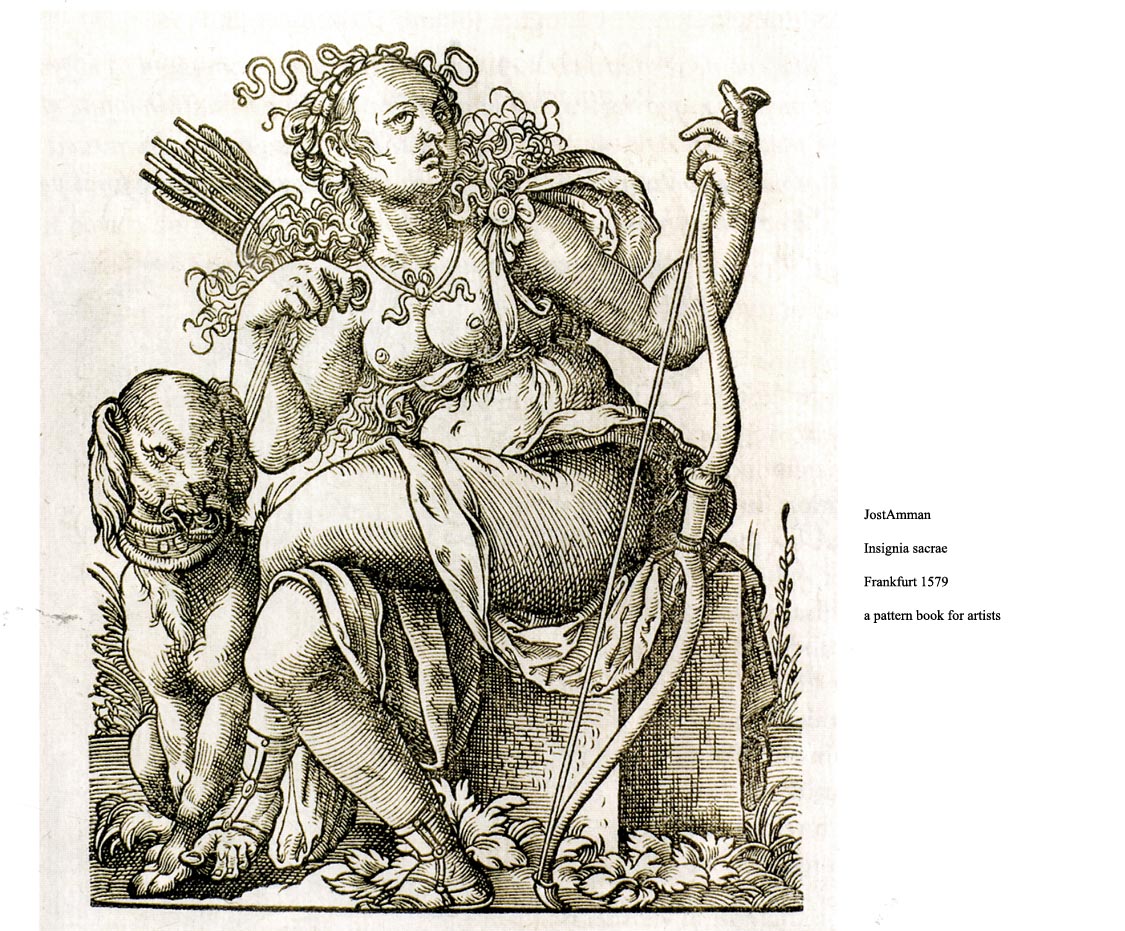 |
JOST AMMAN , PATTERN BOOK FOR ARTISTS , 1579 |
|
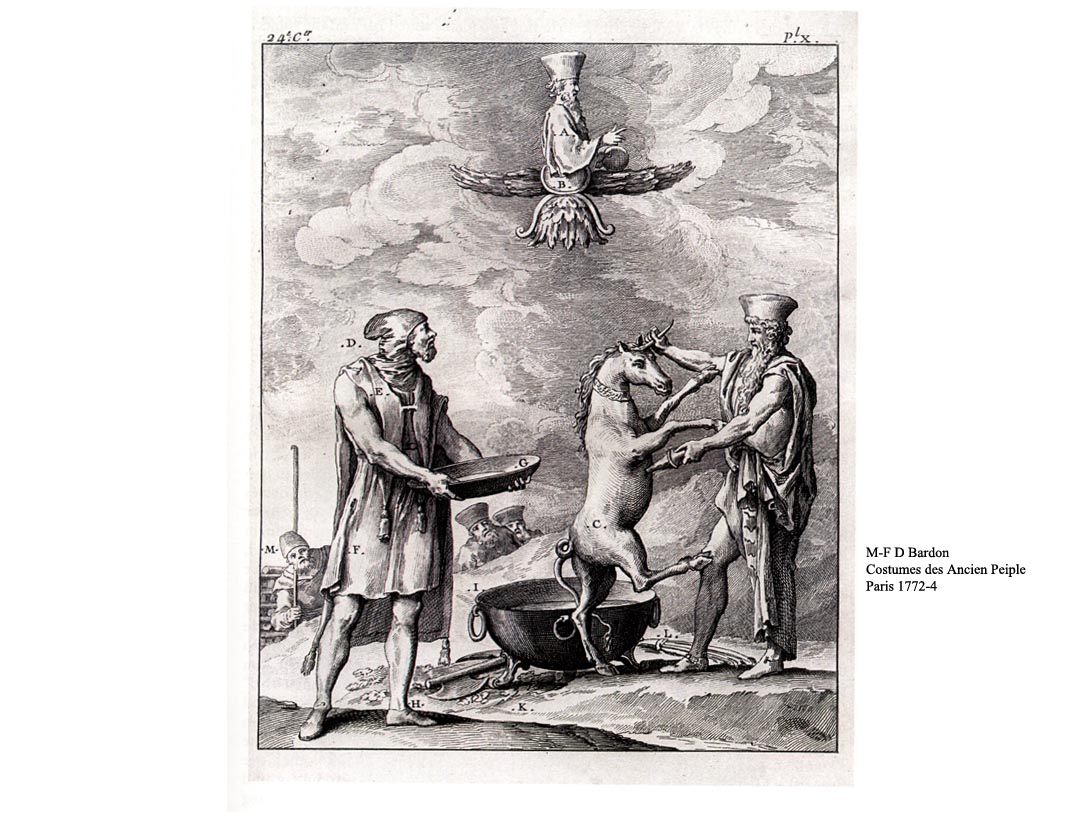
BARDON, COSTUMES OF THE ANCIENT PEOPLES, PARIS 1772-4 |
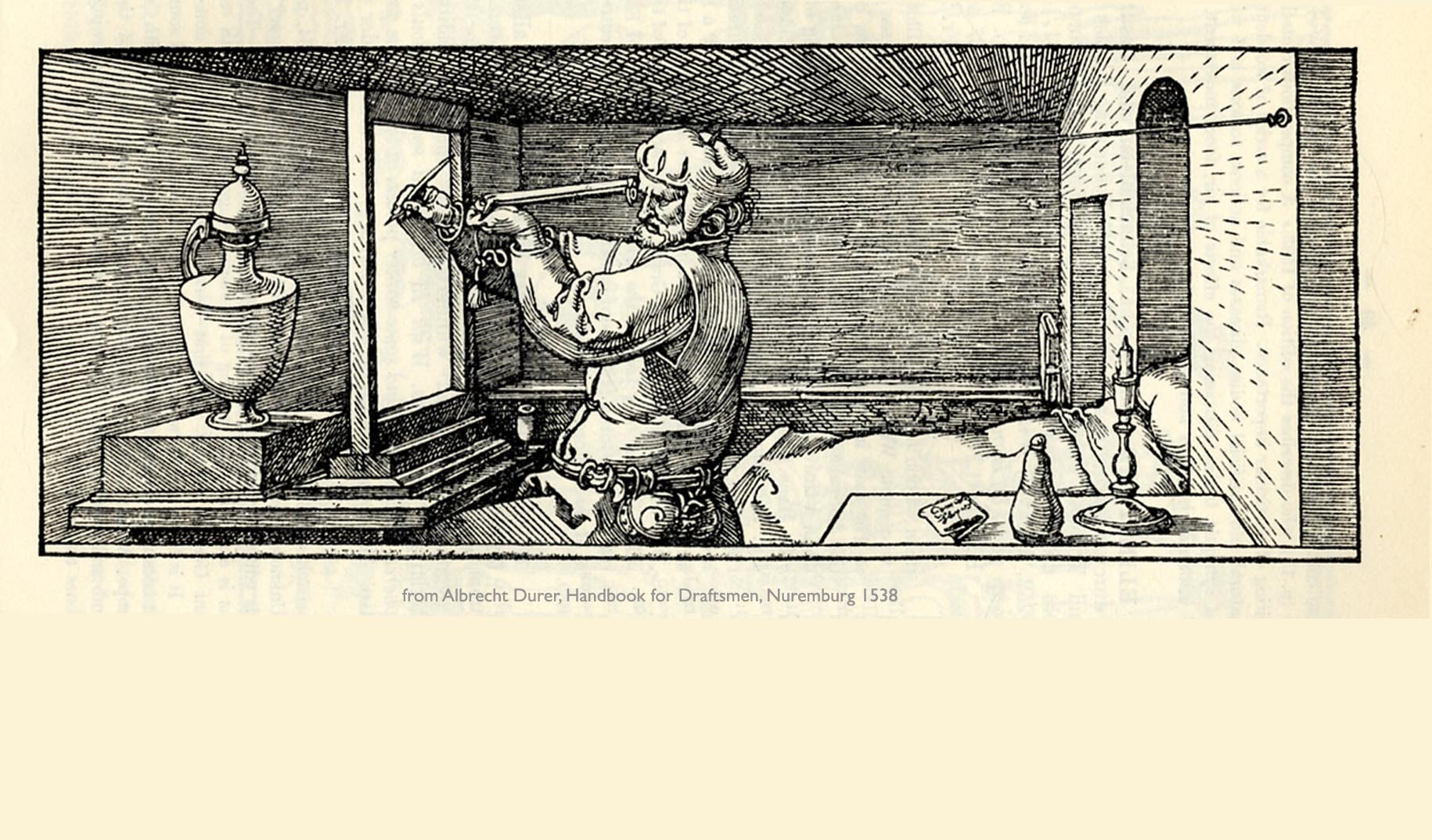 |
Durer, Handbook for Draftsmen, Nuremburg 1538 (drawing frame) |
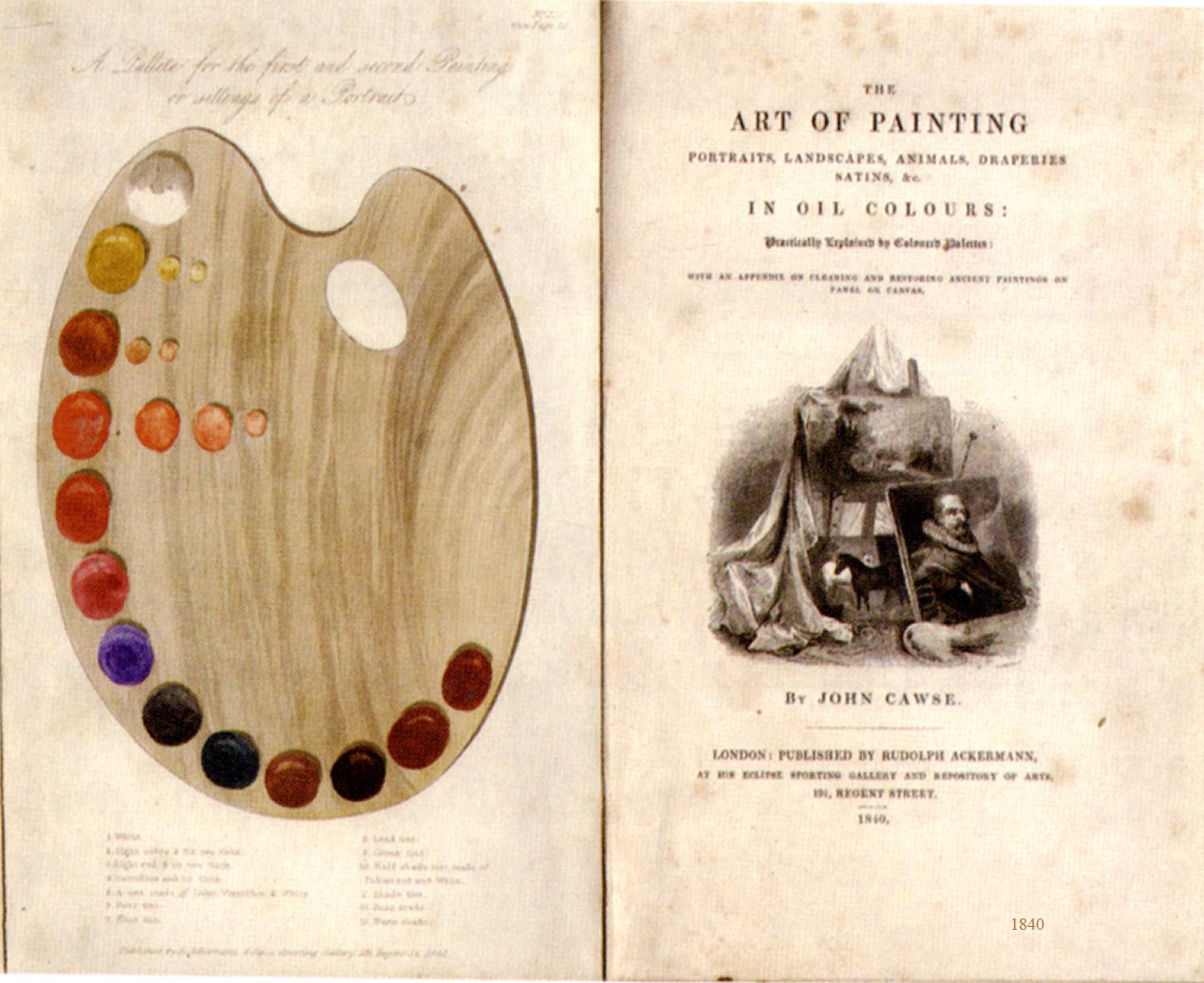 |
John Cawse, The Art of Painting 1840, arranging colours on the palette |
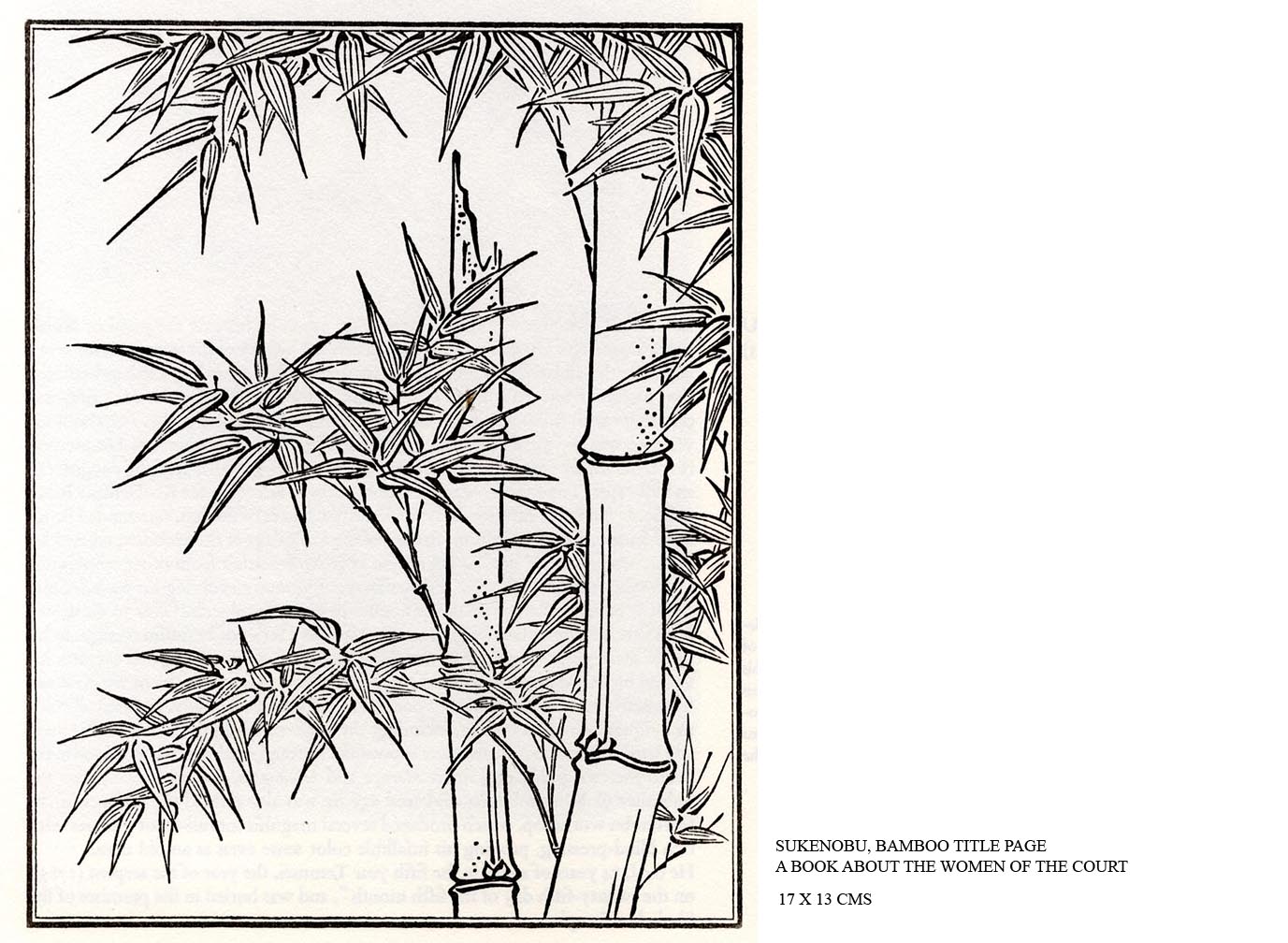 |
Sukenobu, Bamboo Title Page , About the Women of the Court (exercise in drawing bamboo) |
 |
From the Drawing Book of Kigyoku 1901 (waves on 2 pages) |
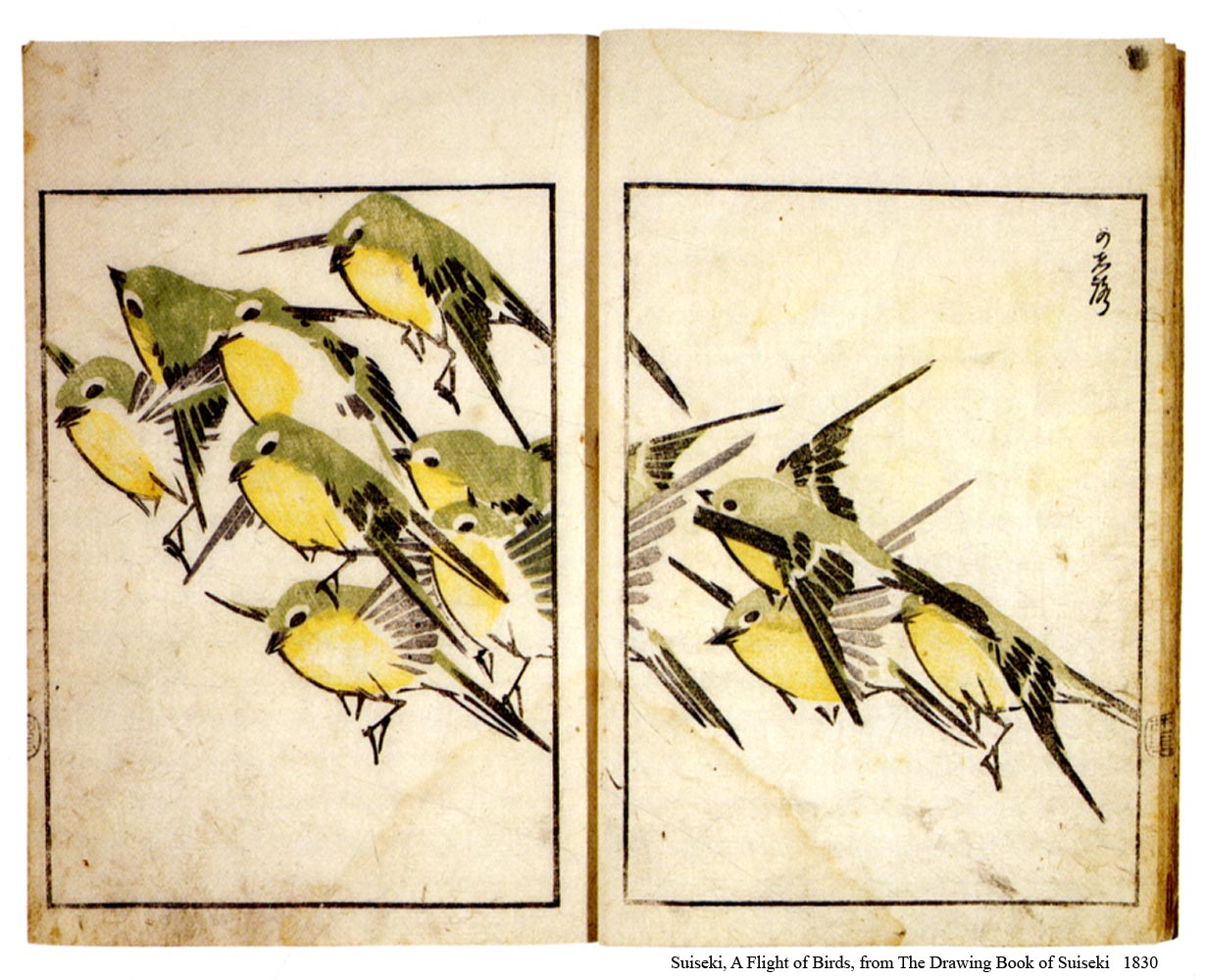 |
From the Drawing Book of Suiseki (birds on 2 pages) 1830 |
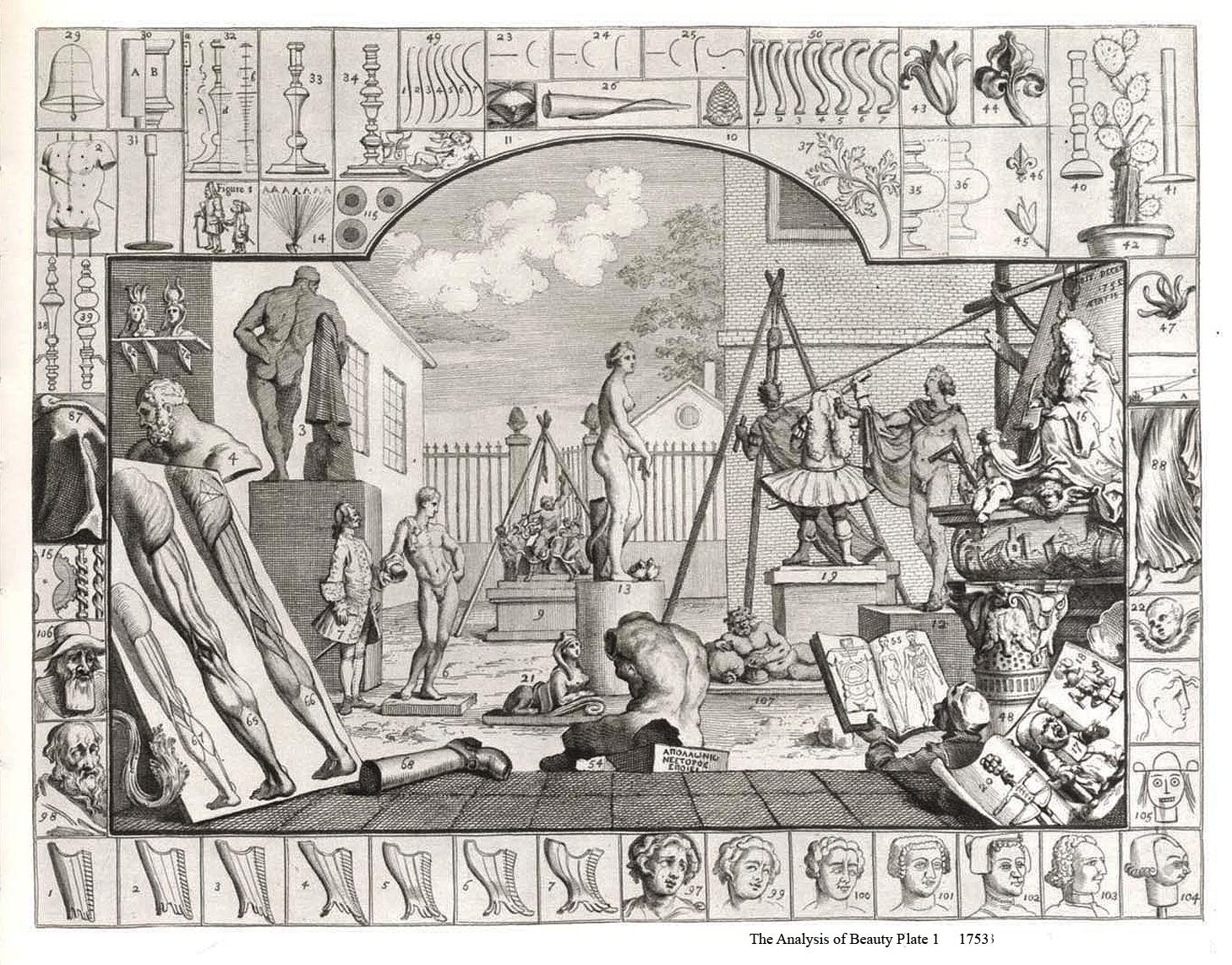 |
2 plates from William Hogarth's The
Analysis of Beauty 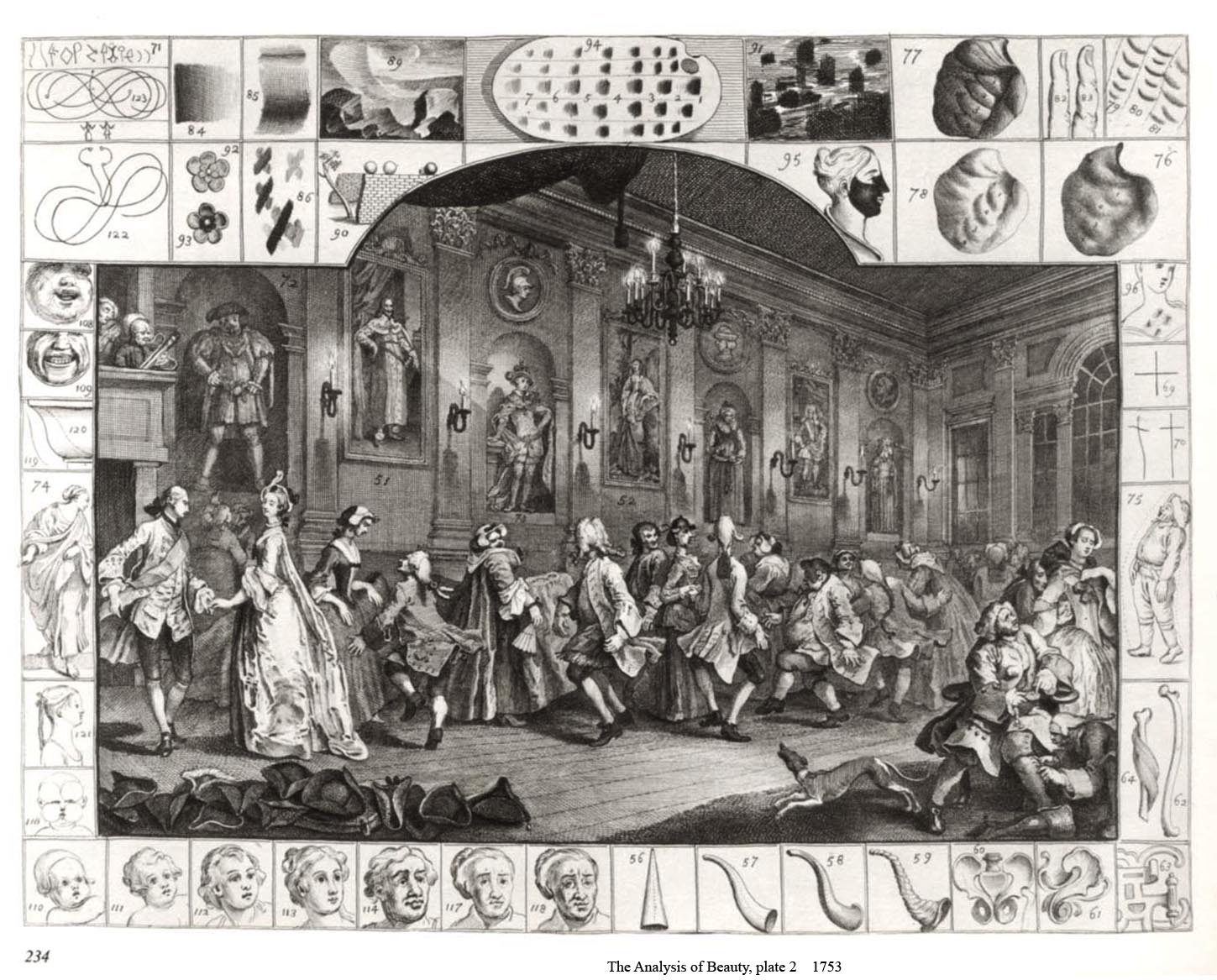 |
|
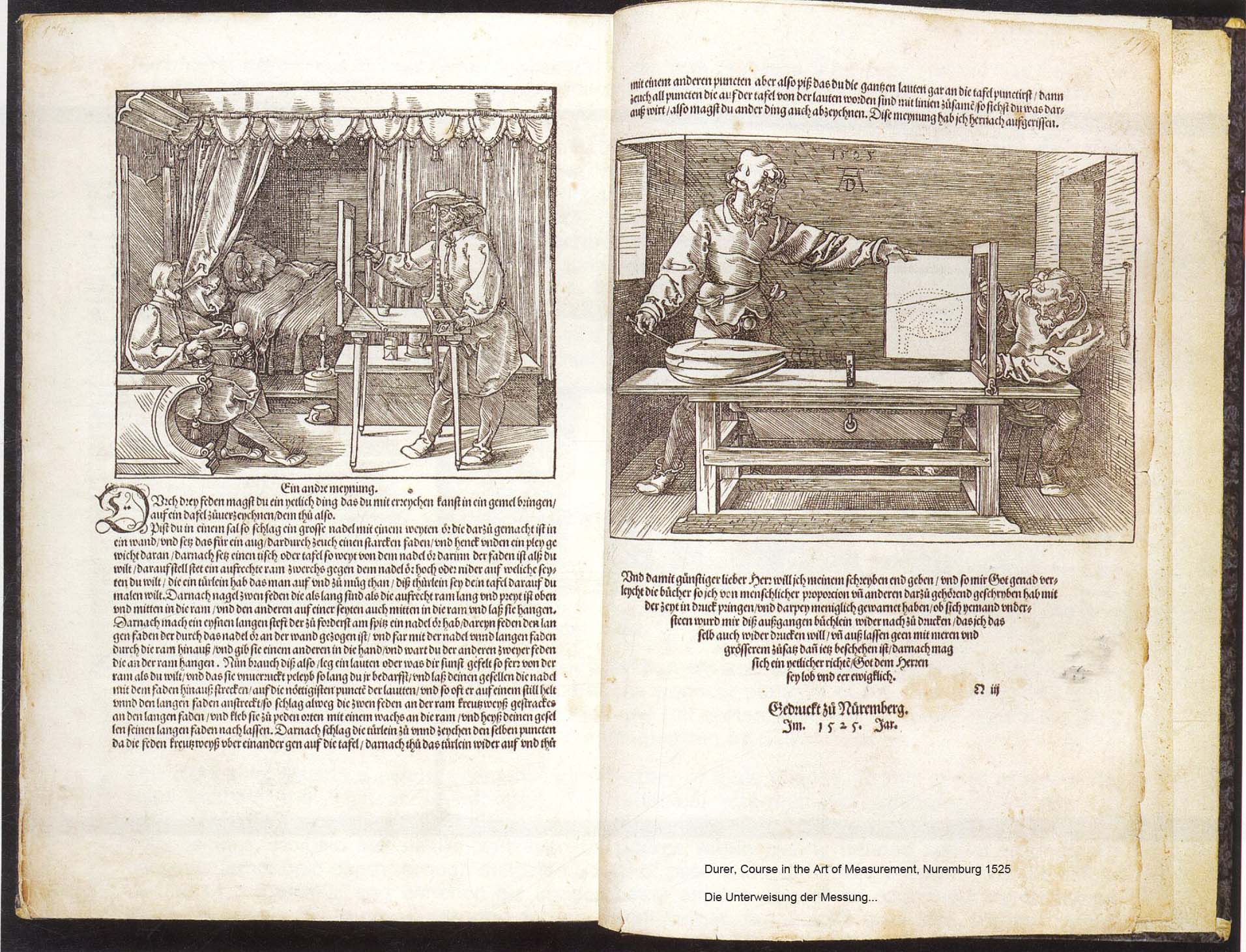
ALBRECHT DURER, COURSE IN THE ART OF MEASUREMENT, 1525 double page |
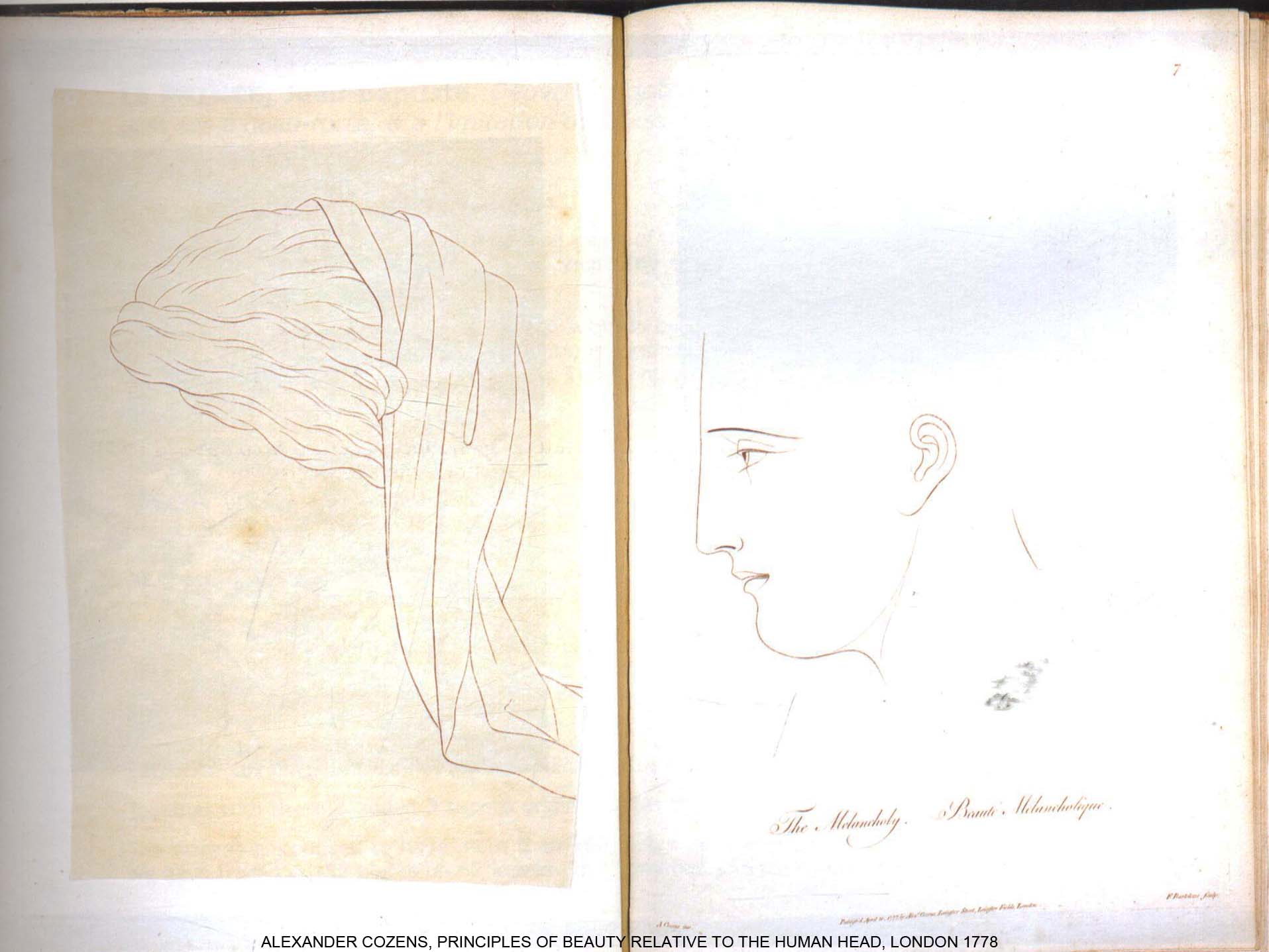 |
ALEXANDER COZENS, PRINCIPLES OF BEAUTY RELATIVE TO THE HUMAN HEAD 1778 |
These examples are chosen for the ways in which technical and aesthetic information about aspects of art are communicated to a receptive audience.
|
|
