|
|
|
|
|
|
|
|
|
|
|
|
|
|
|
|
|
|
|
|
|
|
|
|
|
|
|
 |
 |
 |
 |
 |
 |
|
||||||||||||||||||||
 |
 |
|
||||||||||||||||||||||||
 |
|
|||||||||||||||||||||||||
 |
|
|||||||||||||||||||||||||
 |
 |
|
||||||||||||||||||||||||
 |
 |
 |
 |
 |
 |
 |
 |
|
||||||||||||||||||
 |
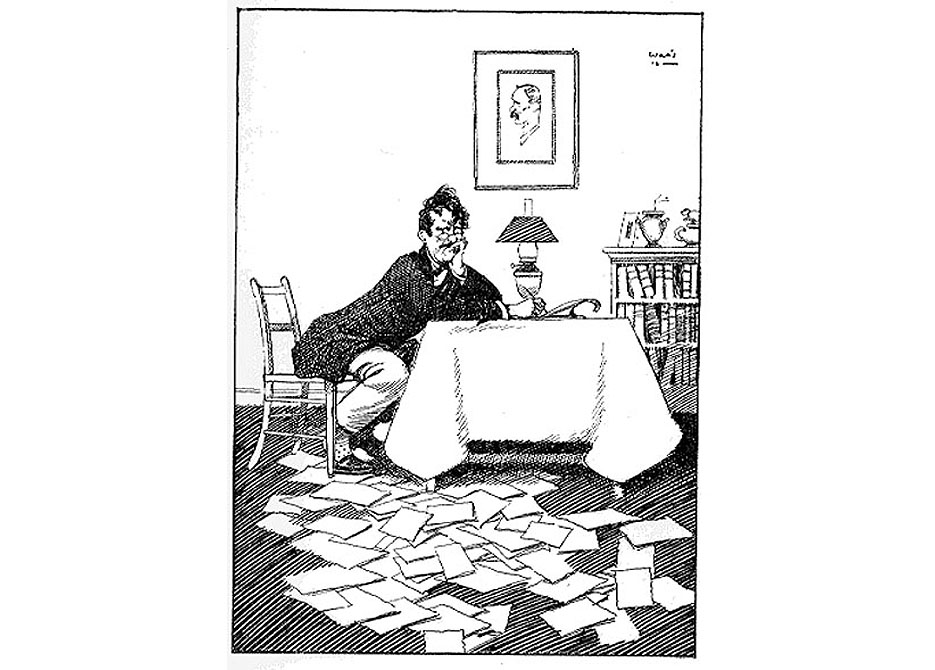 |
 |
 |
|
||||||||||||||||||||||
 |
|
|||||||||||||||||||||||||
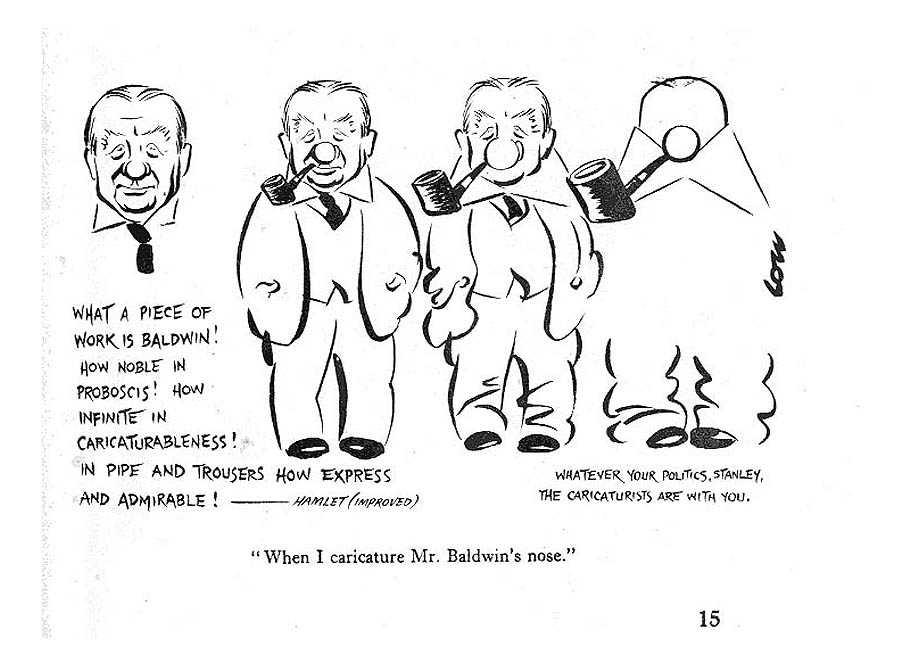 |
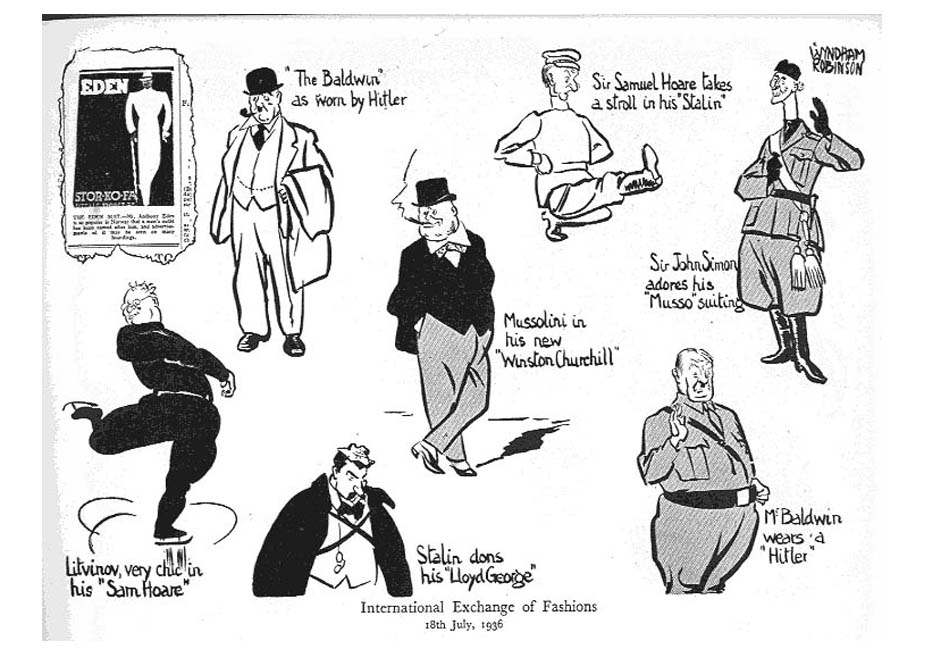 |
 |
|
|||||||||||||||||||||||
 |
|
|||||||||||||||||||||||||
 |
|
|||||||||||||||||||||||||
 |
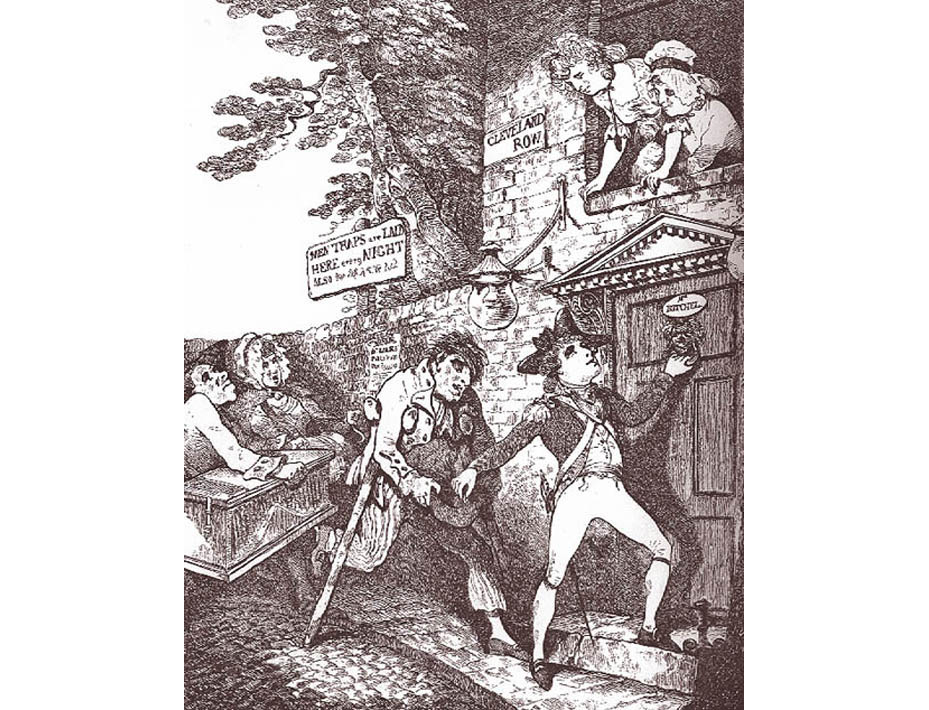 |
 |
 |
|
||||||||||||||||||||||
 |
 |
 |
|
|||||||||||||||||||||||
 |
 |
 |
 |
|
||||||||||||||||||||||
 |
|
|||||||||||||||||||||||||
 |
 |
|
||||||||||||||||||||||||
 |
 |
 |
|
|||||||||||||||||||||||
 |
|
|||||||||||||||||||||||||
 |
|
|||||||||||||||||||||||||
 |
 |
 |
 |
 |
 |
|
||||||||||||||||||||
 |
|
|||||||||||||||||||||||||

BRITISH GRAPHIC SATIRE 1840-1900 (DAWN, Nuggets, Punch etc) |
BRITISH GRAPHIC SATIRE IN THE PUBLIC DOMAIN. MAPS, TABLEAUX, SEX, FASHION,EVENTS, POLITICIANS,.VISUAL DEVICES, JOHN BULL, KING GEORGE, ROYALS, FRANCE, BUNBURY WILLIAMS, ISAAC CRUIKSHANKM HOGARTH, DIGHTON. |
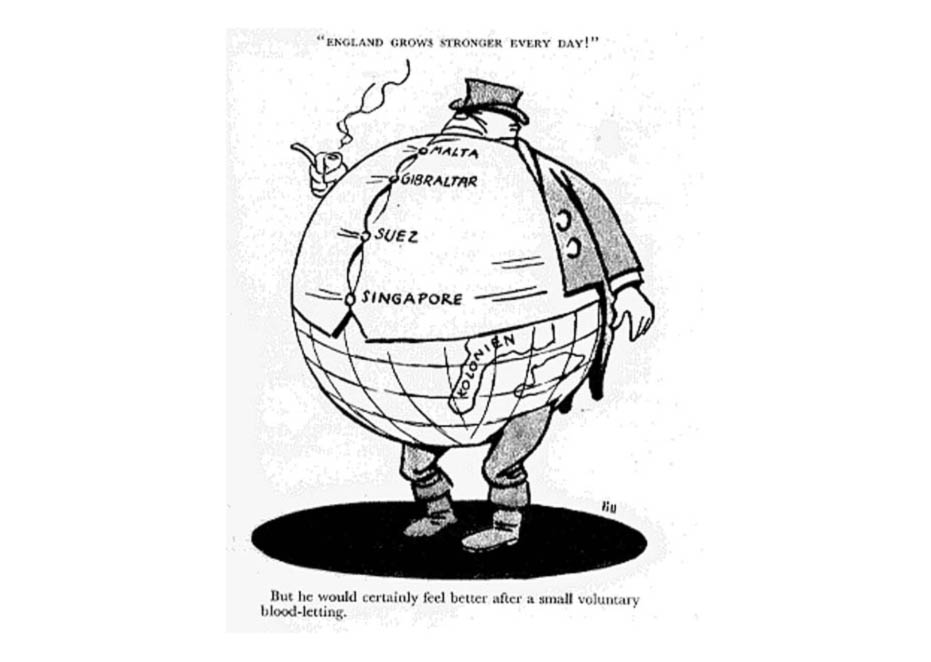
World Cartoons 1939 |
GRAPHIC SATIRE - A SMALL ANTHOLOGY based on a lecture Caricature , " a general term for the art of applying the grotesque to the purposes of satire, and for pictorial and plastic ridicule and burlesque." Encyclopaedia Britannica.
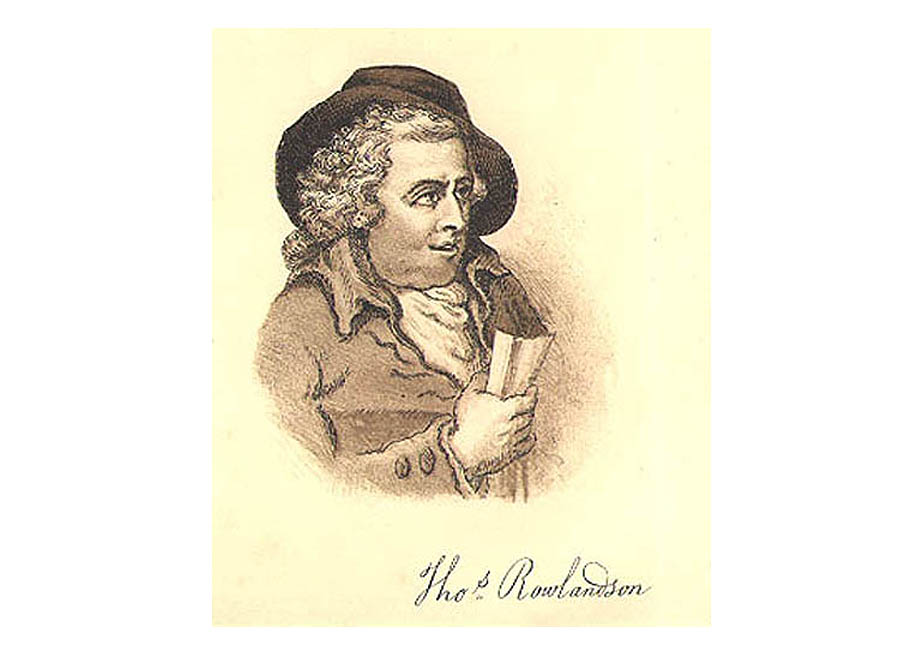
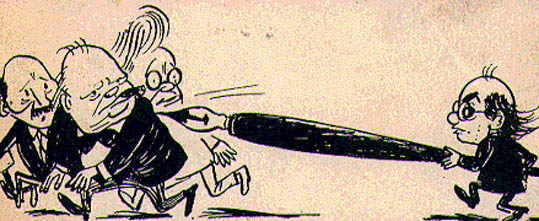
THE IMAGE OF THE SATIRIST
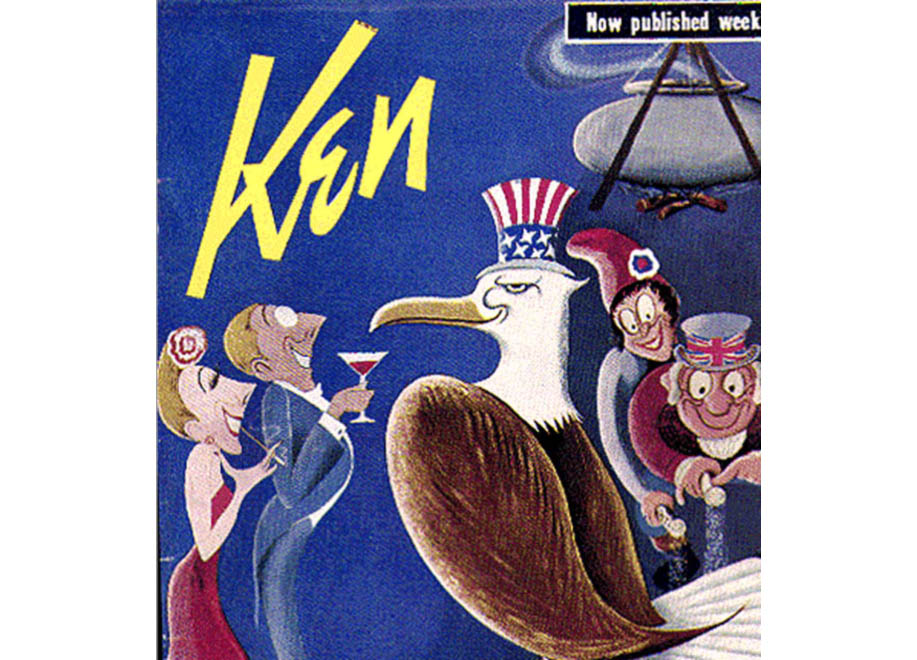
JOHN BULL. Just because England is represented by this fat oaf doesn't mean we have to accept the choice uncritically. Little used today, John Bull can represent the sturdy sensible qualities of the imperturable Englishman. He is usually shown without signs of much imagination or energy. He is usually obese and intolerant of Foreigners. He is slow to act but steady in his progress. His most bovine appearences were for PUNCH magazine over a long period. I enjoy the study of him because it is usefu lto see how foreign cartoonists used his qualities to attack british foreign policies. You also have the option of Britannia (sexy), and the Lion (proud, defiant or indeed motheaten) to epitomise the English people.
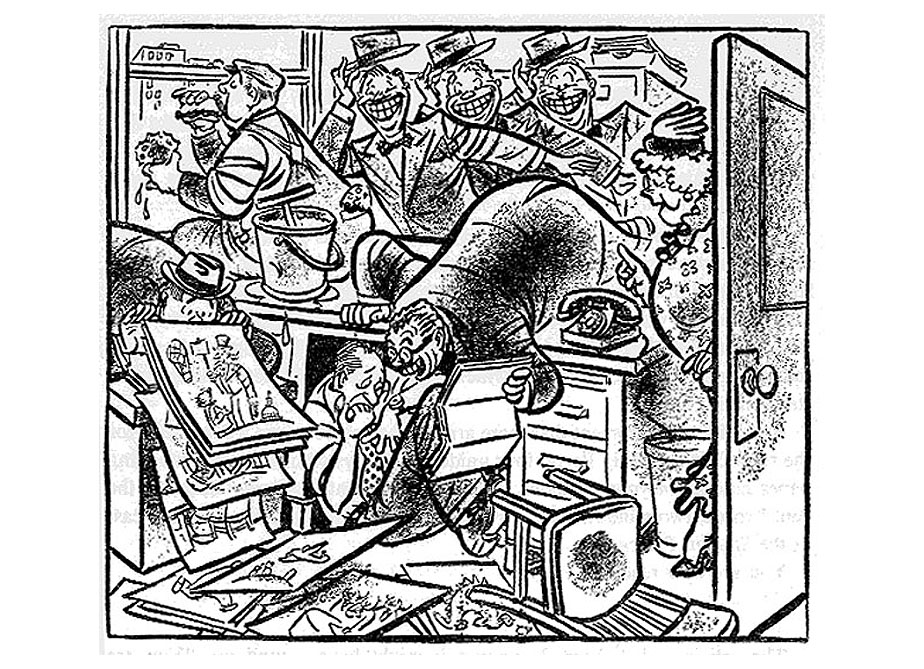
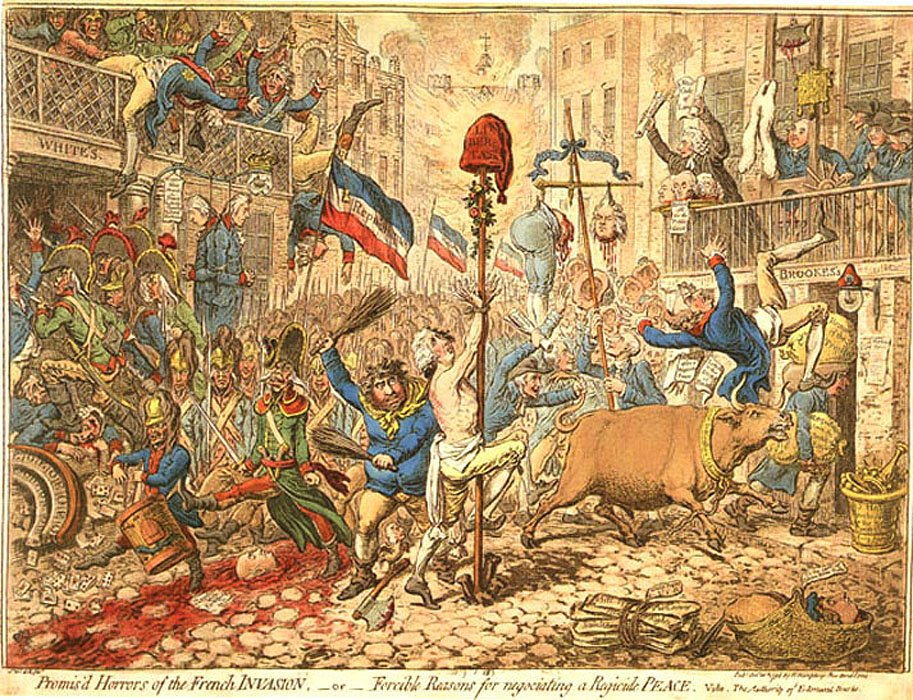
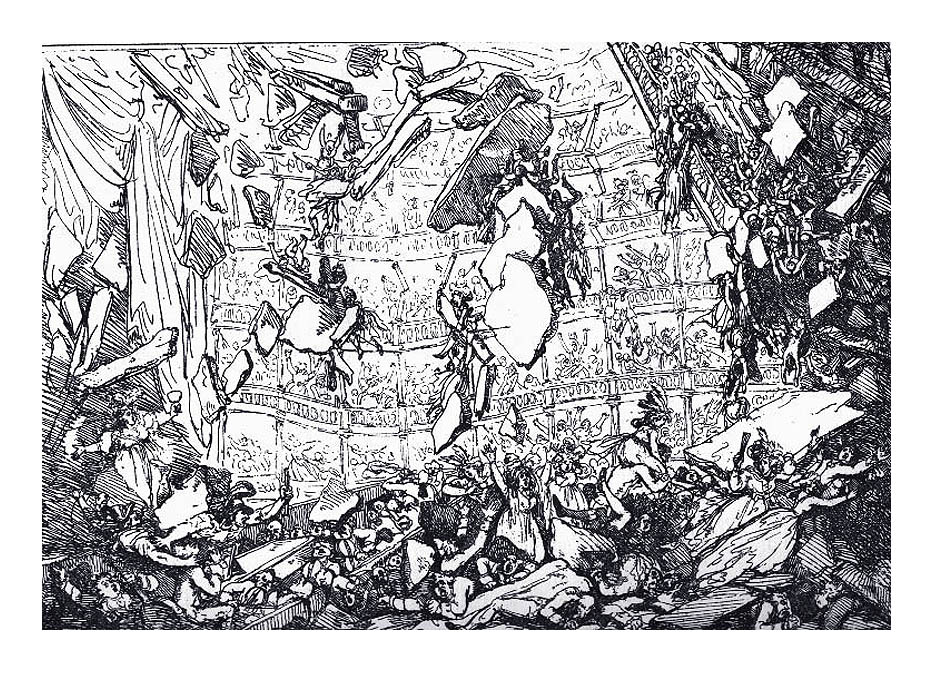
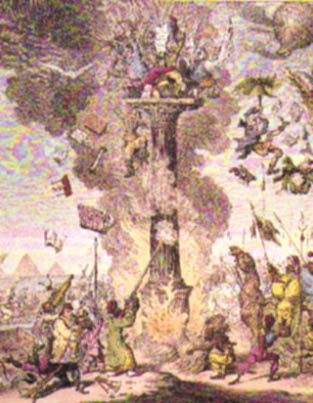
TURBULENCE - it is characteristic of much graphic satire that the image shows the collapse of existing structures, of pomposities, of pretensions. The skill is to show the teetering, the moements before the great collapse. Choosing the exact moment is a great science, as is the calculation and depiction of expression and gesture.
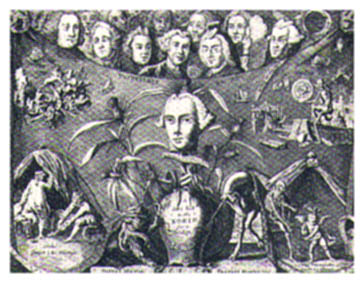
ROW BENEATH
PORTRAITURE TOP ROW
NEXT ROW
BOTTOM ROW
COMPOSITIONAL OPPORTUNITIES
|
NOTES Wyndham Robinson
|
 |
SATIRE UK MAIN GALLERY OF PRINTS |
|
CARICATURE 1 PUBLIC DOMAIN GROUP COMPOSITIONS |
|
CARICATURE 2 PUBLIC DOMAIN single figures |
|
CARTOON AND CARICATURE MAIN MENU |
|
THOMAS ROWLANDSON MENU |
|
GEORGE CRUIKSHANK MENU MENU |
|
ERNEST AKERBLADT |
|
ROBERT DIGHTON |
|
ROBERT SEYMOUR |
|
THOMAS SANDBY |
|
HENRY BUNBURY, PRINTS AND DRAWINGS |
|
James Gillray some selected plates |
|
William Hogarth selection |
|
THOMAS ROWLANDSON, The Dance of Death series |
|
Classicism Satirised (Honoré Daumier) |
|
anon, The Modern Phenomenon of a Murphy the Gullcatcher of 1838 (Mullen Collection) |
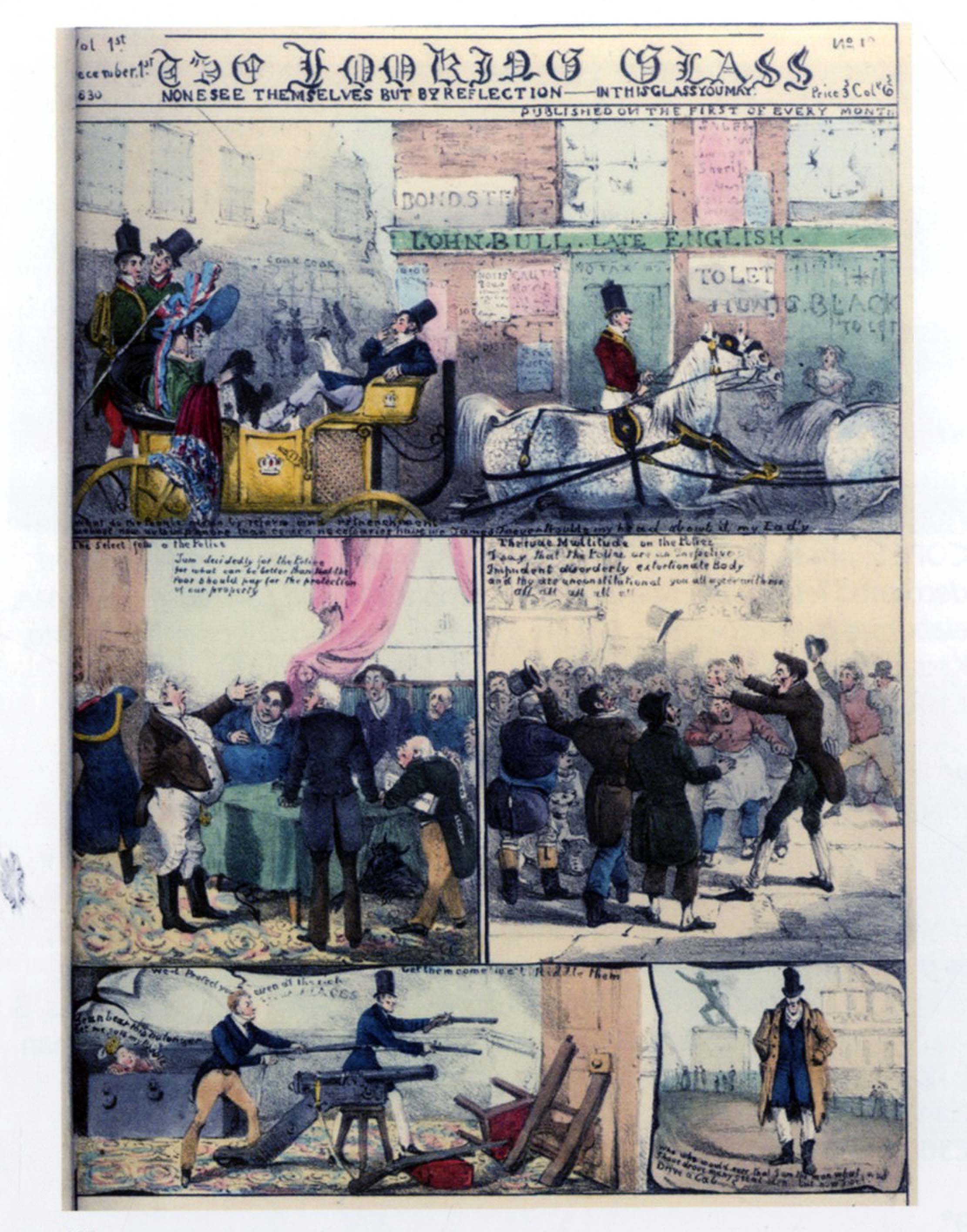 |
The Looking Glass , (Caricature Annual McLean 1831-5 plates by Heath and Seymour |
|
WILLIAM HONE AND HIS ARTISTS, Cruikshank and others , |
PUBLICATIONS
SOME MAGAZINES
|
LA CARICATURE , in the public domain (and a few others) |
|
AMERICANA MAGAZINE 1932/3 |
|
PUNCH |
|
JUGEND |
|
MAGAZINE MENU |
THEMES/People
|
THE SOUTH SEA BUBBLE, SCREEN 1 ACROSS EUROPE |
|
THE SOUTH SEA BUBBLE, SCREEN 2 ACROSS EUROPE |
|
QUEEN CHARLOTTE SATIRISED |
|
QUEEN CAROLINE SATIRISED |
|
DUCHESS OF DEVONSHIRE SATIRISED |
|
EMMA HAMILTON SATIRISED |
|
MRS FITZHERBERT SATIRISED |
|
RICHARD BRINSLEY SHERIDAN SATIRISED one |
|
RICHARD BRINSLEY SHERIDAN SATIRISED two |
|
WILLIAM PITT THE YOUNGER SATIRISED (1) |
|
WILLIAM PITT THE YOUNGER SATIRISED (2) |
|
NICHOLAS ROBINSON , Edmund Burke, a life in Caricature. bibliog details |
|
VINCENT CARRETTA , George III and the Caricaturists. bibliog details |
|
JOHN WARDROPER , The caricatures of George Cruikshank . bibliog details |
|
KENNETH BAKER , GEORGE III a life in caricature . bibliog details |
|
KENNETH BAKER , GEORGE IV a life in caricature . bibliog details |
|
GEORGE IV in the Public Domain |
|
GEORGE IV in the Public Domain OFFICIAL PORTRAITS |
|
ANDREW BARLOW , The Prince and his Pleasures (George IV) . bibliog details |
|
Klingender and Maisky, Russia, Britain's Ally, 1942, a selection of plates |
|
CARICATURE HISTORY OF THE FOUR GEORGES, Thomas Wright 1867 , pages from Klingender |
After 1800
|
1830 FRENCH REVOLUTIONS |
|
1848 FRENCH REVOLUTIONS |
|
WECHSLER, PHYSIOGNOMY AND CARICATURE in 19th C Paris , biblio |
|
THE MILLTOWNS, a family reunion, Dublin, caricatures by Patch and Reynolds, the Britishin Rome. |
|
RICHARD NIXON PHILIP GUSTON, Poor Richard (Nixon) |
ARTISTS
|
DRAPER HILL , Fashionable Contrasts (James Gillray) . bibliog details |
GENERAL STUDIES
|
BRITISH MUSEUM ANTHOLOGY, LOVE AND MARRIAGE BIBLIO |
|
ALFRED LONGDEN , Cartoon, Wit and Caricature in Britain , 1944 |
|
BOHUN LYNCH, A History of Caricature, 1926 |
|
DO THE ENGLISH UNDERSTAND CARICATURE, Drawing and Design 1921 |
|
HOGARTH AND ENGLISH CARICATURE , pages from Klingender |
|
Karl Voll, French Drawings of the Nineteenth Century 1913, Daumier, Dore, Gavarni, Beaumont, etc |
|
Karl Voll, French Drawings of the Nineteenth Century 1913, Daumier, Dore, Gavarni, Beaumont, etc second selection |
|
M. Dorothy George, Hogarth to Cruikshank, Social Change in Graphic Satire. |
|
M. Dorothy George, London Life in the Eighteenth Century biblio |
|
John Brewer, , The Pleasures of the Imagination, English Culture in the Eighteenth Century biblio |
|
AKLICE LUXTON, , 'UPROAR SATIRE, SCANDAL AND PRINT MAKERS OF GEORGIAN LONDON', BIBLIO |
SINGLES
HUET , Singeries...(Paris c 1750) Musicians as Monkeys |
 |
Stanley Anderson, False Gods, c1930 engraving |
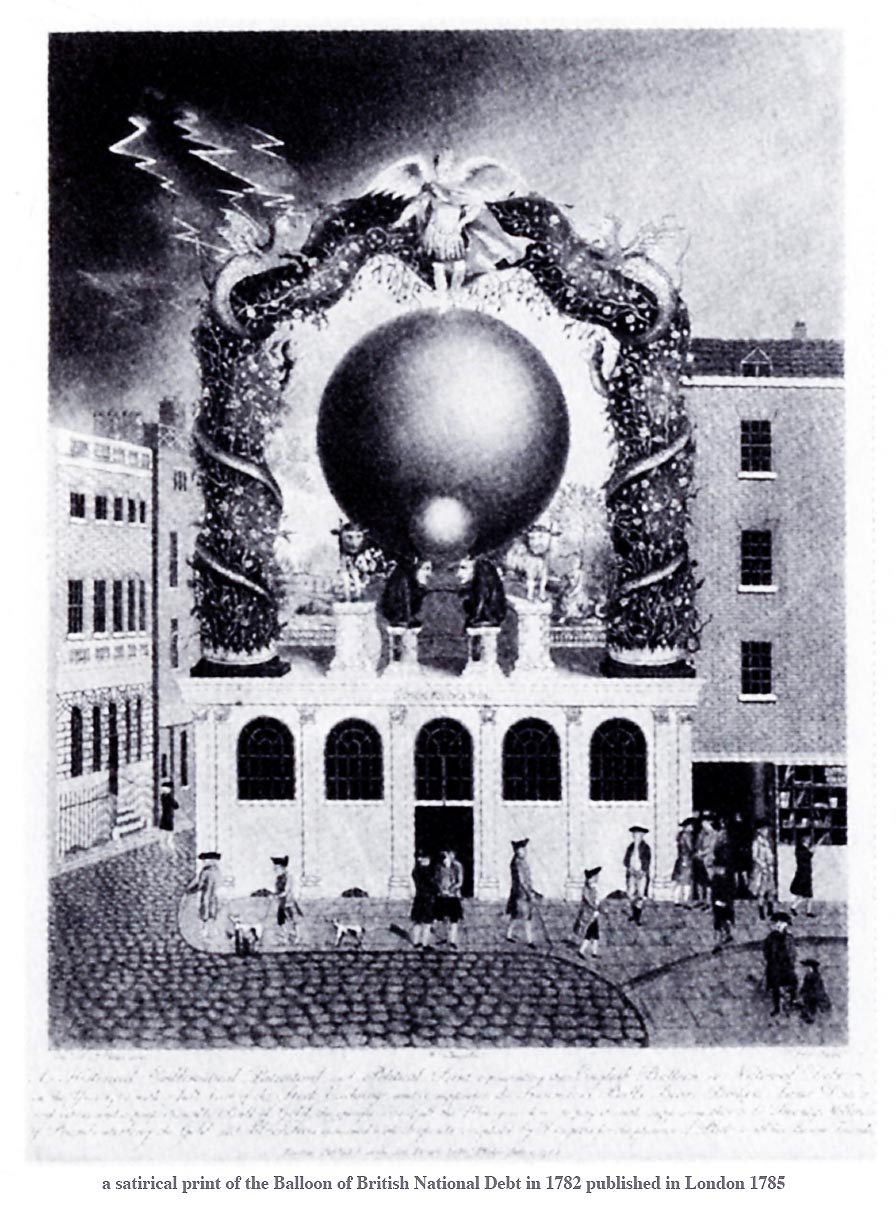 |
The British National Debt as Balloon 1785 |
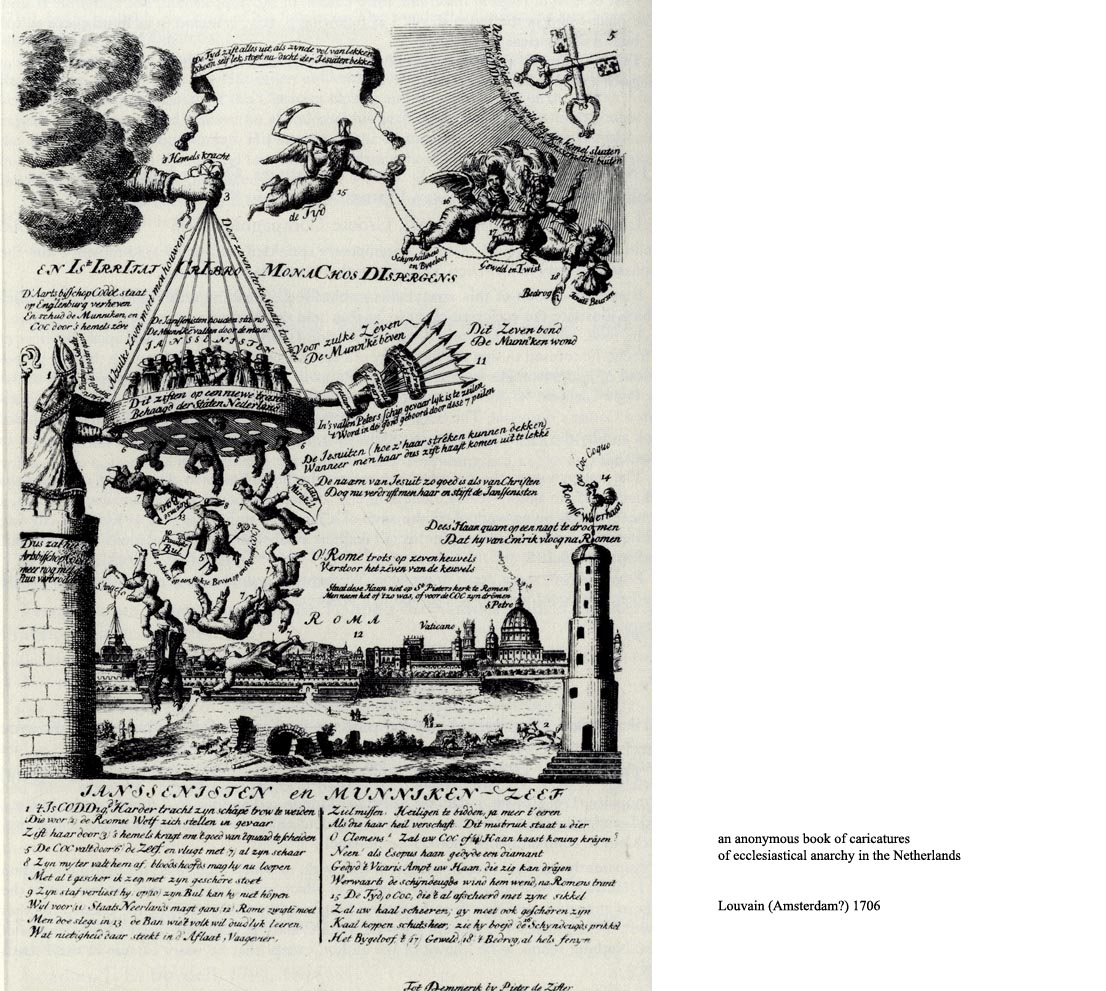 |
anonymous book of Caricatures of ecclesiastical anarchy in the Netherlands Louvain 1706 |
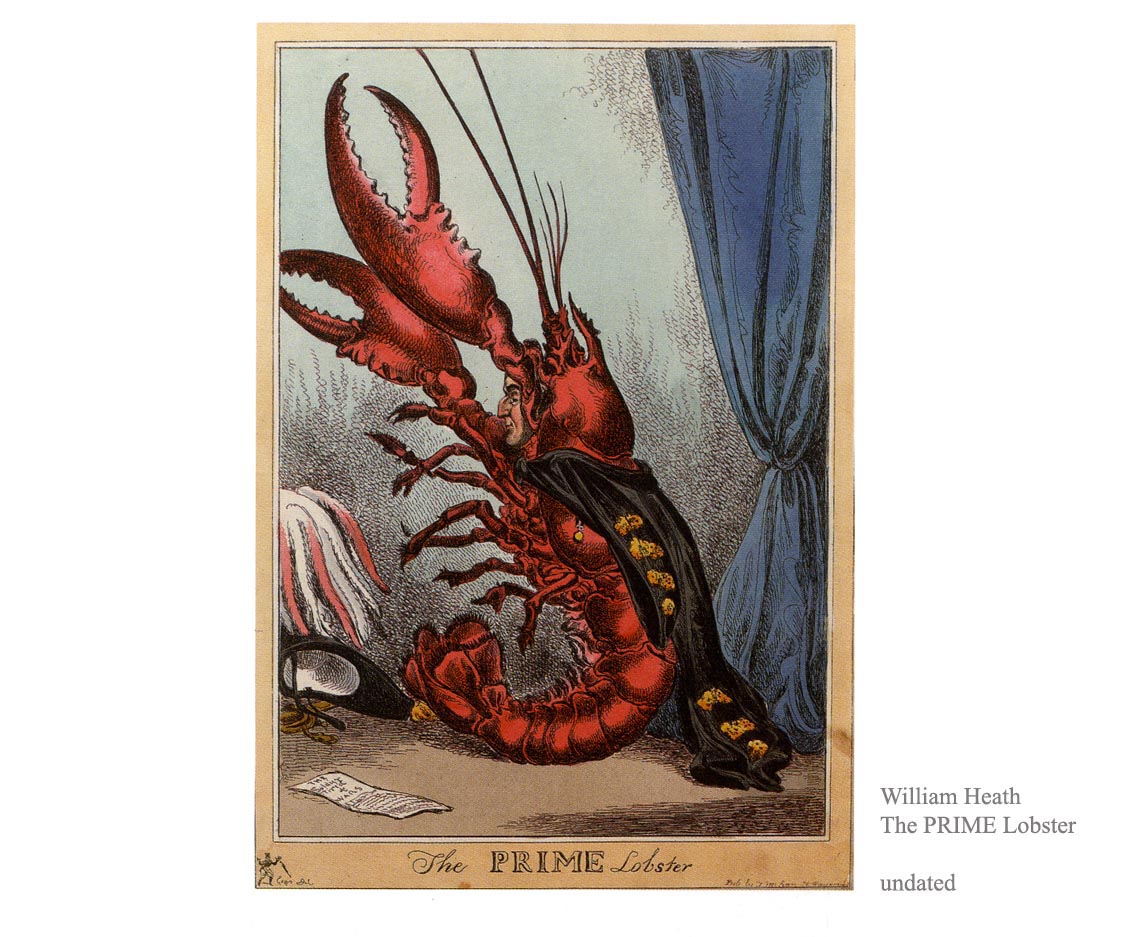
William Heath, The Prime Lobster (Wellington) undated |
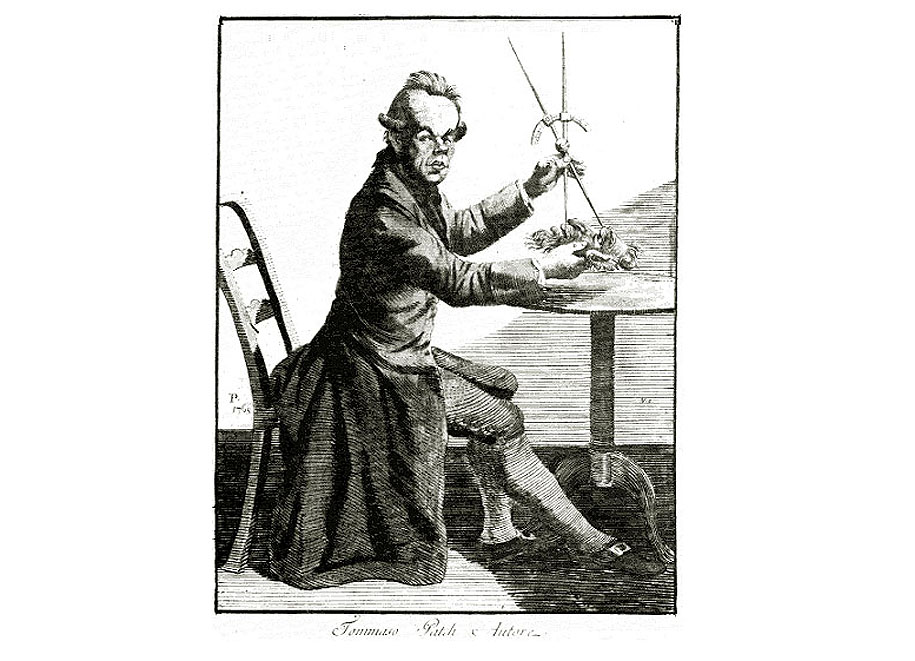
THOMAS PATCH Self Portrait holding Callipers over a mask 1768- 1770 print inscribed at the base. |
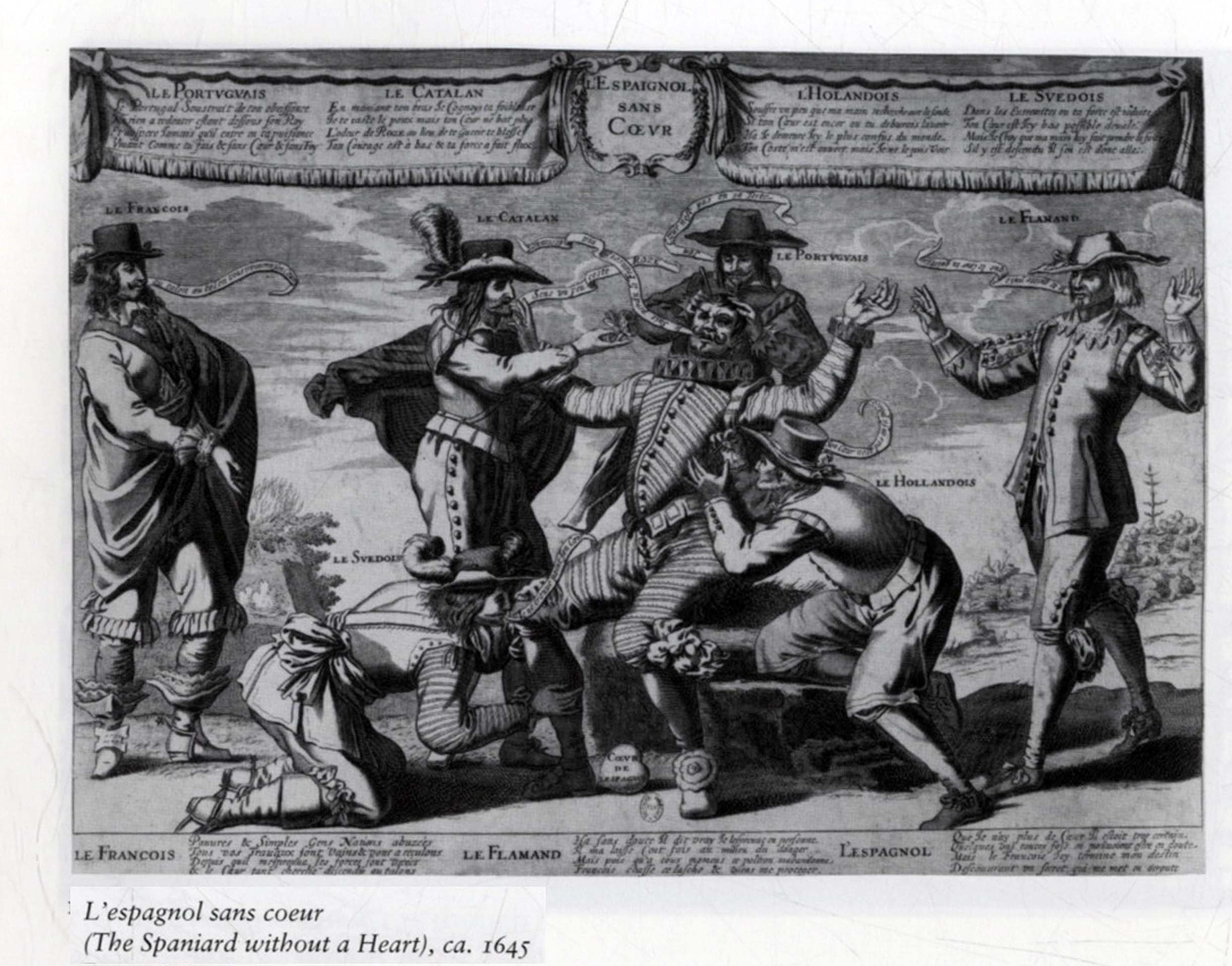 |
satirical print, The Spaniard without a Heart c1645 |
|
The Diaboliad, 1777, text by William Combe |
 |
ISAAC CRUIKSHANK, A Mansion House Treat, or Smoking Attitudes |
 |
J.B.Internari, L'Arte qui supero se Stessa , A Dandy with Muff |
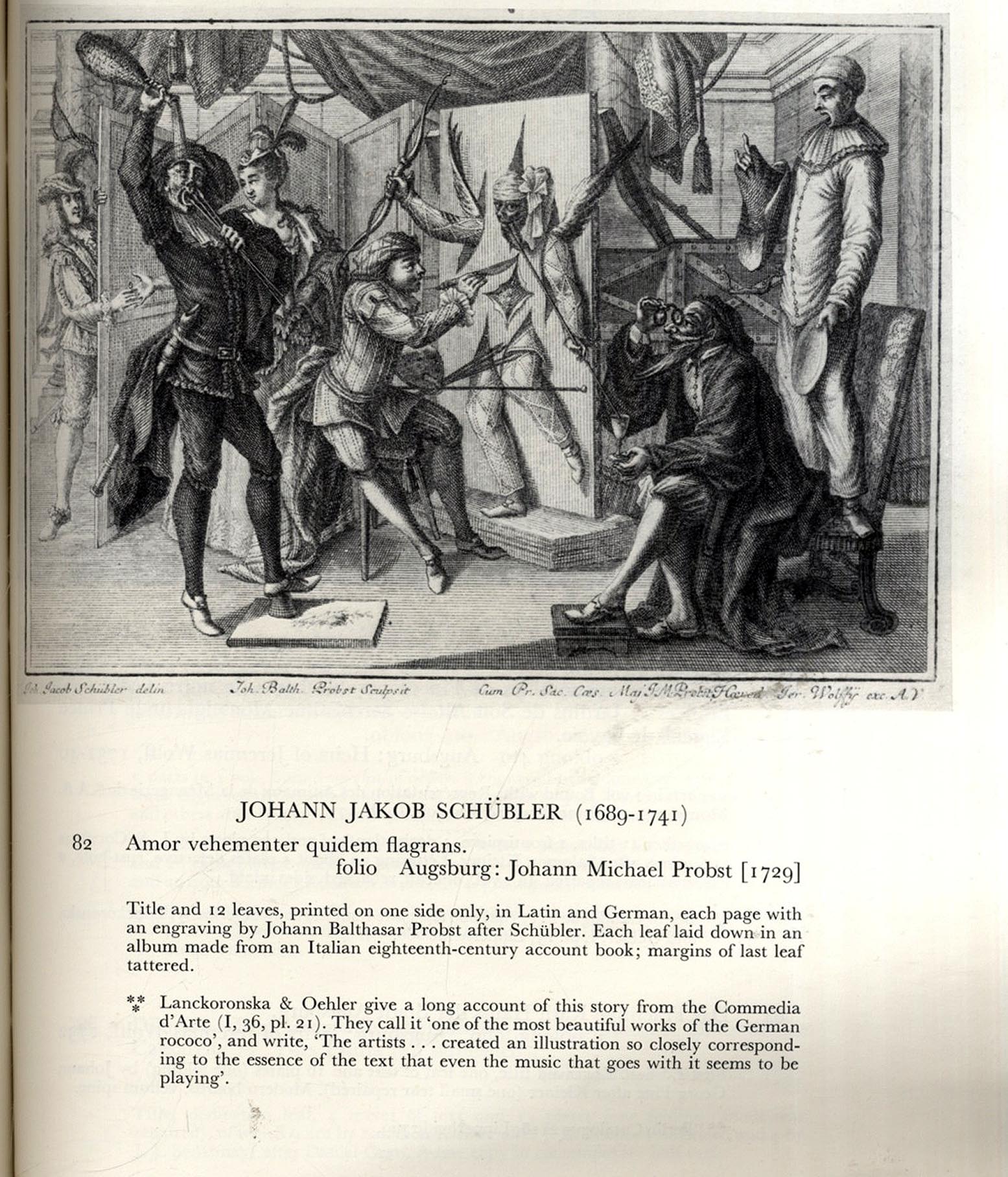 |
J.J.Schubler , Amor vehementer quidem flagrans Augsberg 1729 |
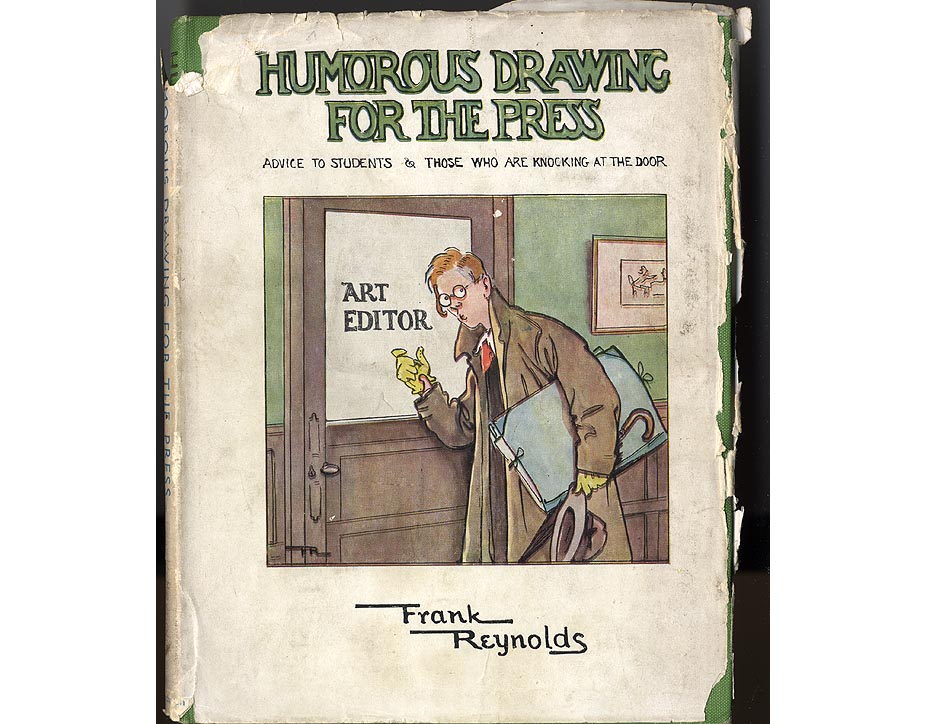
Jacket Illustration for Frank Reynolds, Humorous Drawing for the Press, Methuen London 1947 |
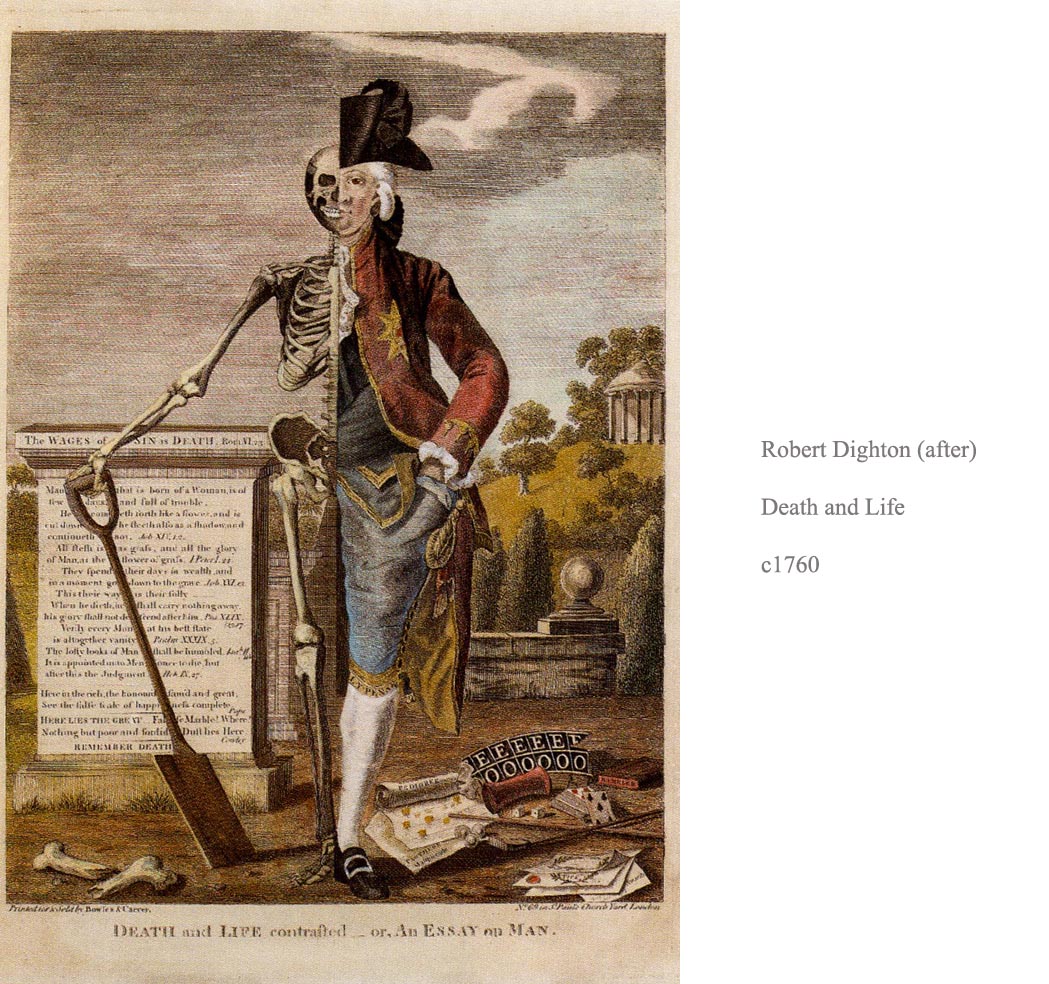
Robert Dighton, Death and Life c1760 |
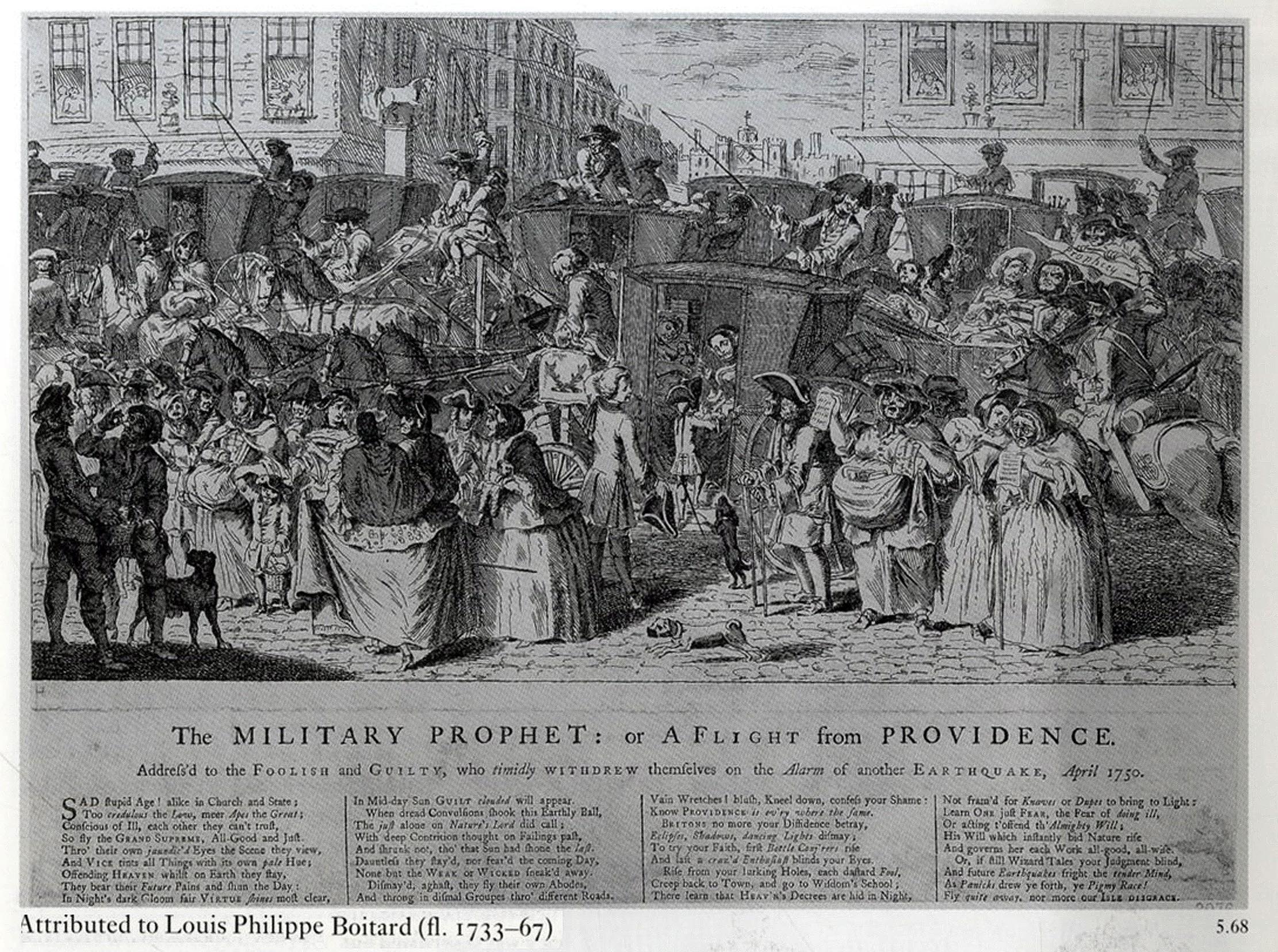
Louis Boitard, The Military Prophet (foolish and guilty flee an Earthquake) |
John Fleet , The Sailor's fleet Wedding Entertainment 1747 |
? , Strange Monsters have adorned the Stage, c1730 |
Thomas Sandby , Covent Garden Morning Frolic 1747 |
ELSEWHERE IN VTS
|
CARTOON AND CARICATURE MAIN MENU |
|
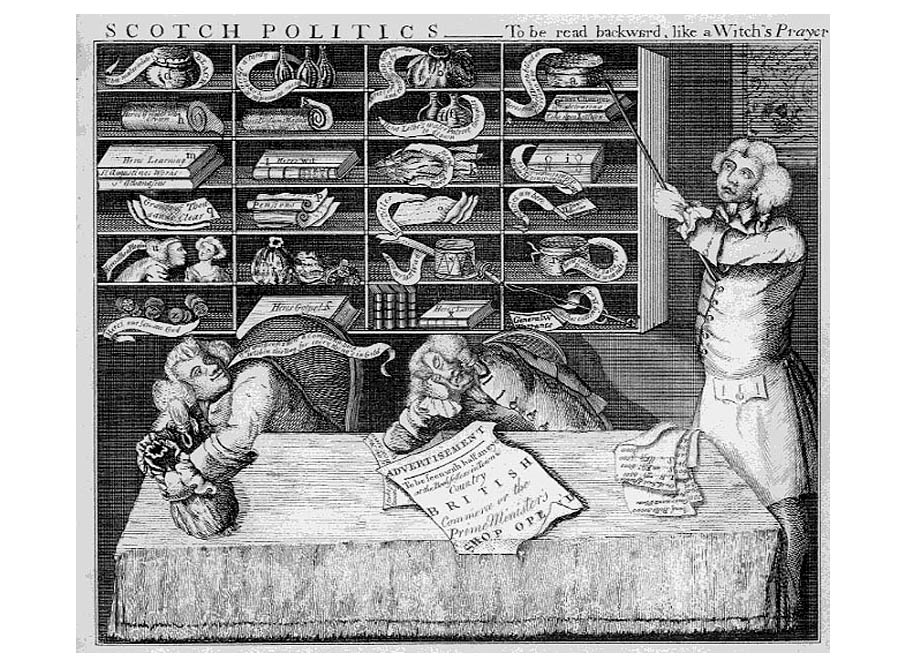
Scotch
Politics to be read backwards like a Witch's Prayer Tom Bobbin
(pseud) Human Passions Delineated... Designed in the Hogarthian
Style, very useful for young practitioners in Drawing , Heywood,
Manchester, 1773. This larger and more ambitious image was included in
a bound set of Bobbin's prints of grotesque faces. Although it makes an
obscure point, it offers us a satirical image in the transition period
between Hogarth and Gillray. The narrative structure of clues and motifs
standing for aspects of the Total Message, is an original and fascinating
one. The message is an inriguing one and the visual convention relates
to the tradition of the Narrator telling stories while his audience looks
at pictures. Here the audience dozes. THE TEXT
|
SHORT BOOKLIST
|