






|
|
|
|
|
|
|
|
|
|
|
|
|
|
|
|
|
|
|
|||||
|
|
|
|||||||||
|
|
||||||||||
|
|
|
|
||||||||
|
|
|
|
|
|||||||
|
|
||||||||||
|
|
|
|||||||||
|
|
||||||||||
|
|
||||||||||
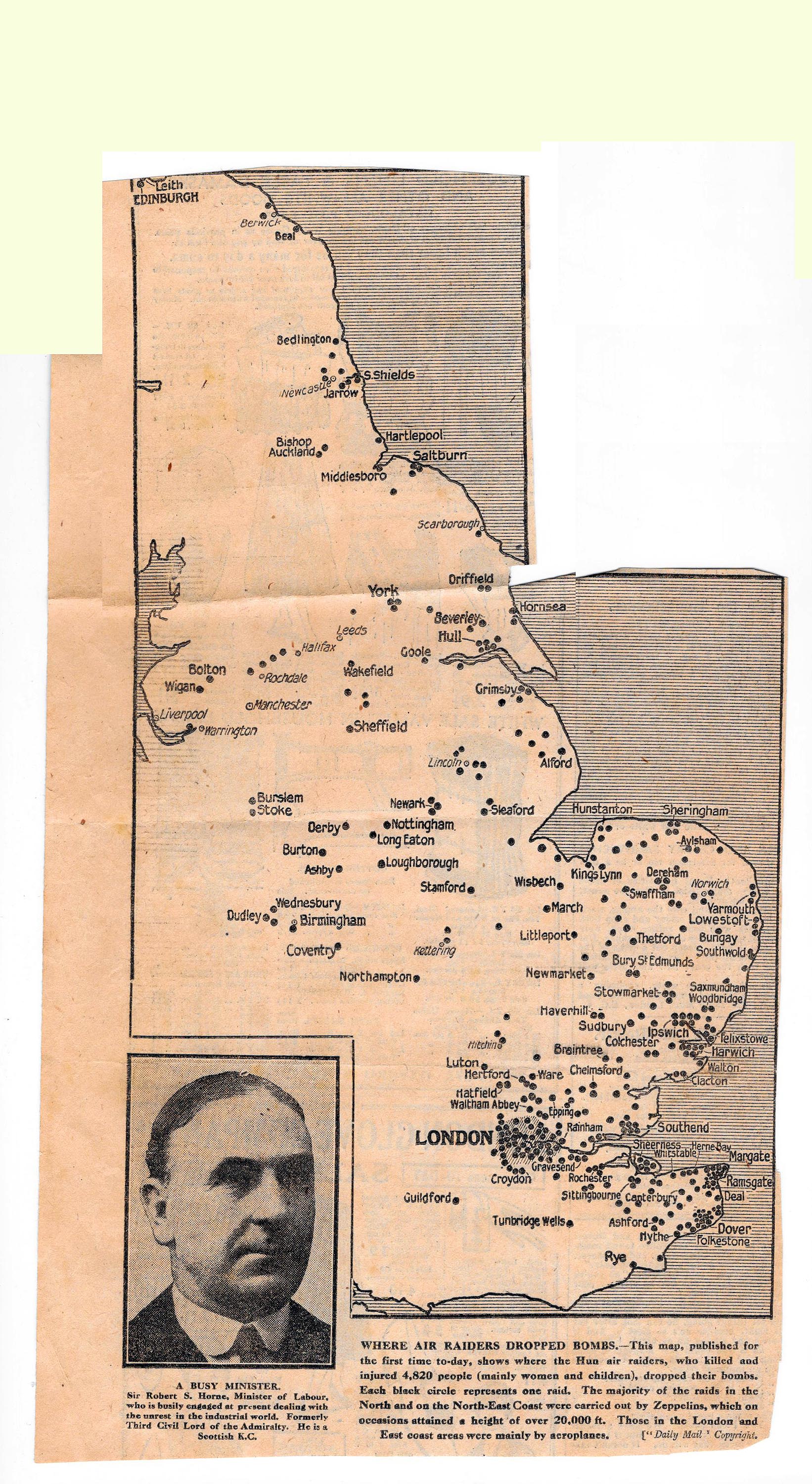
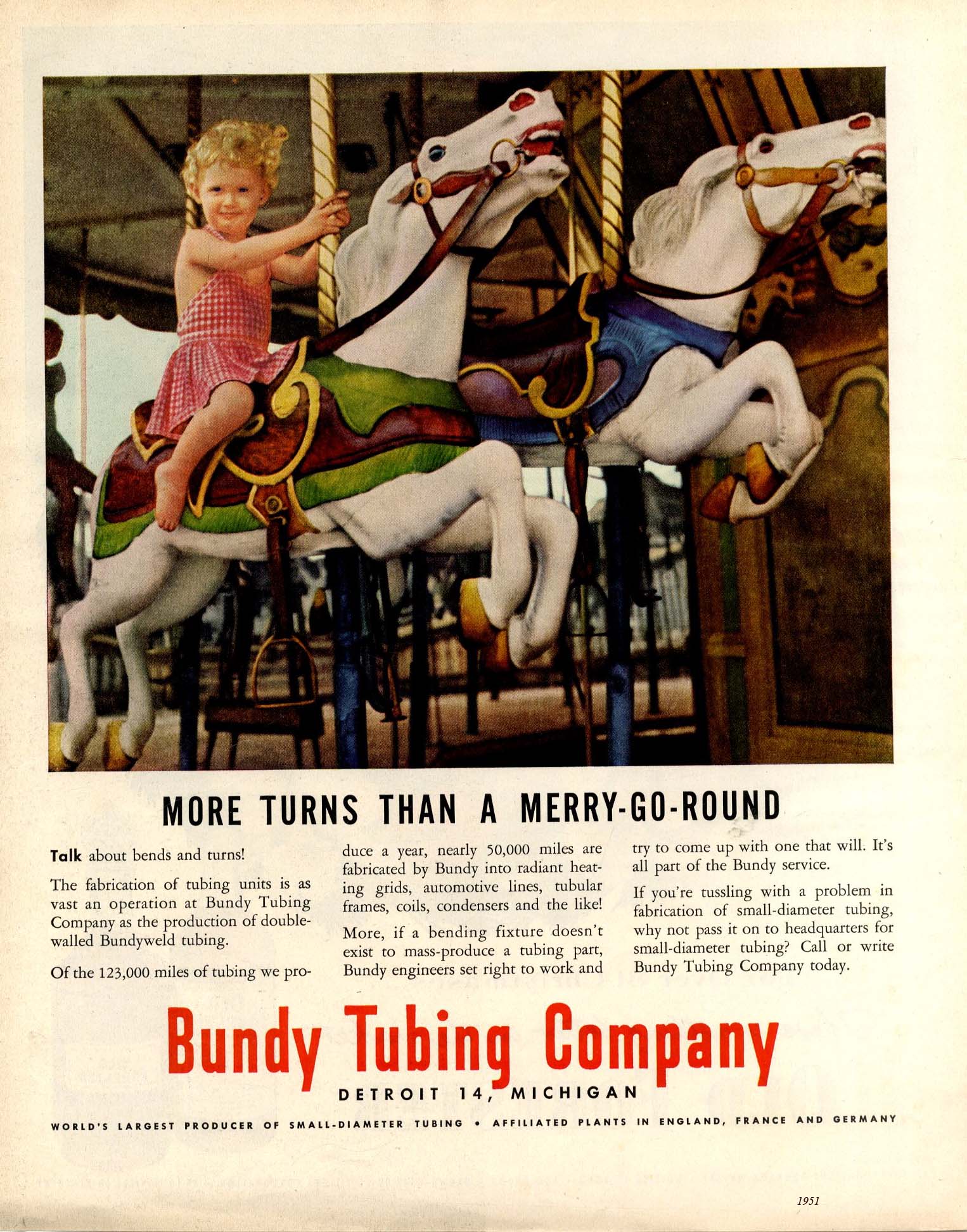
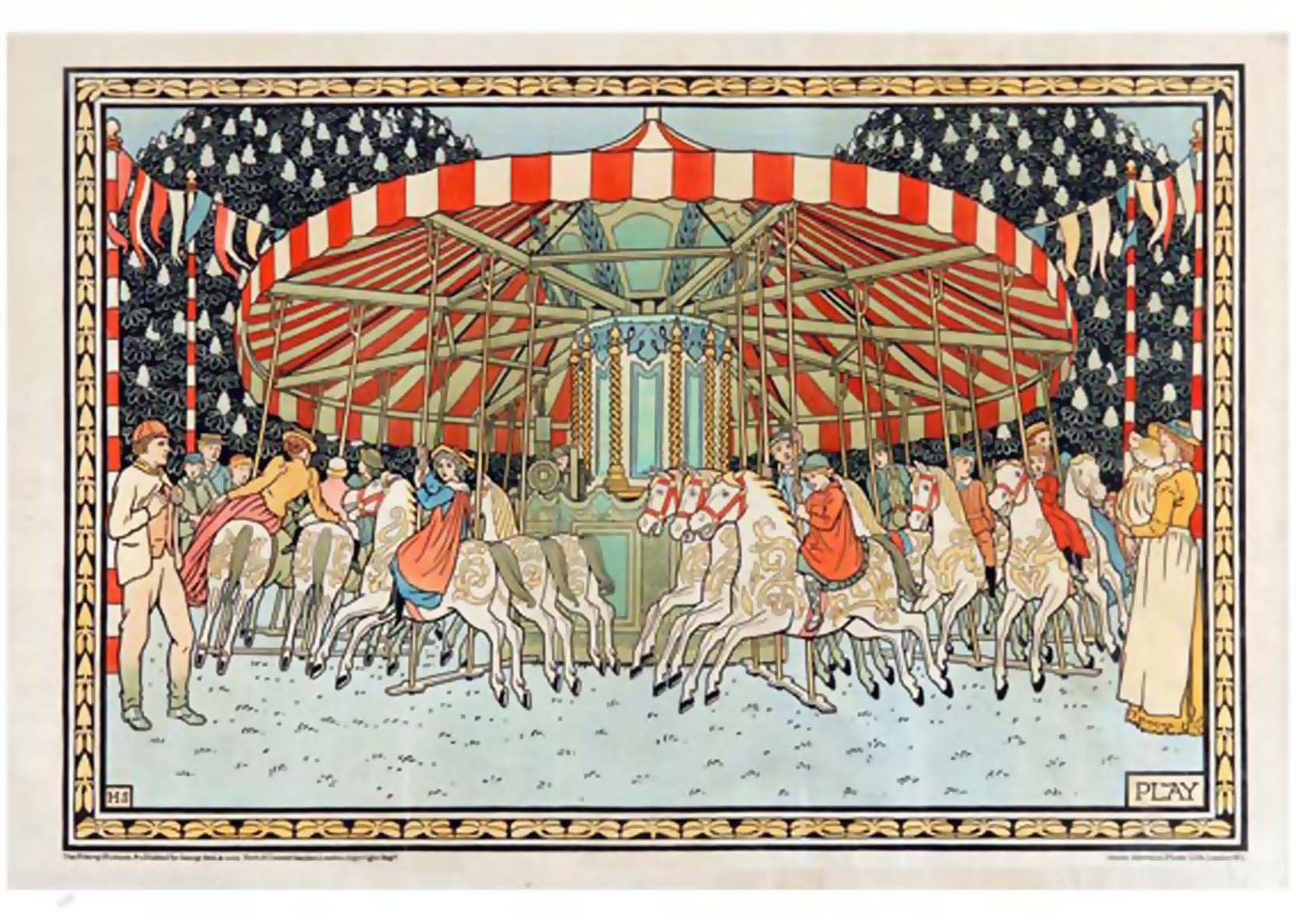
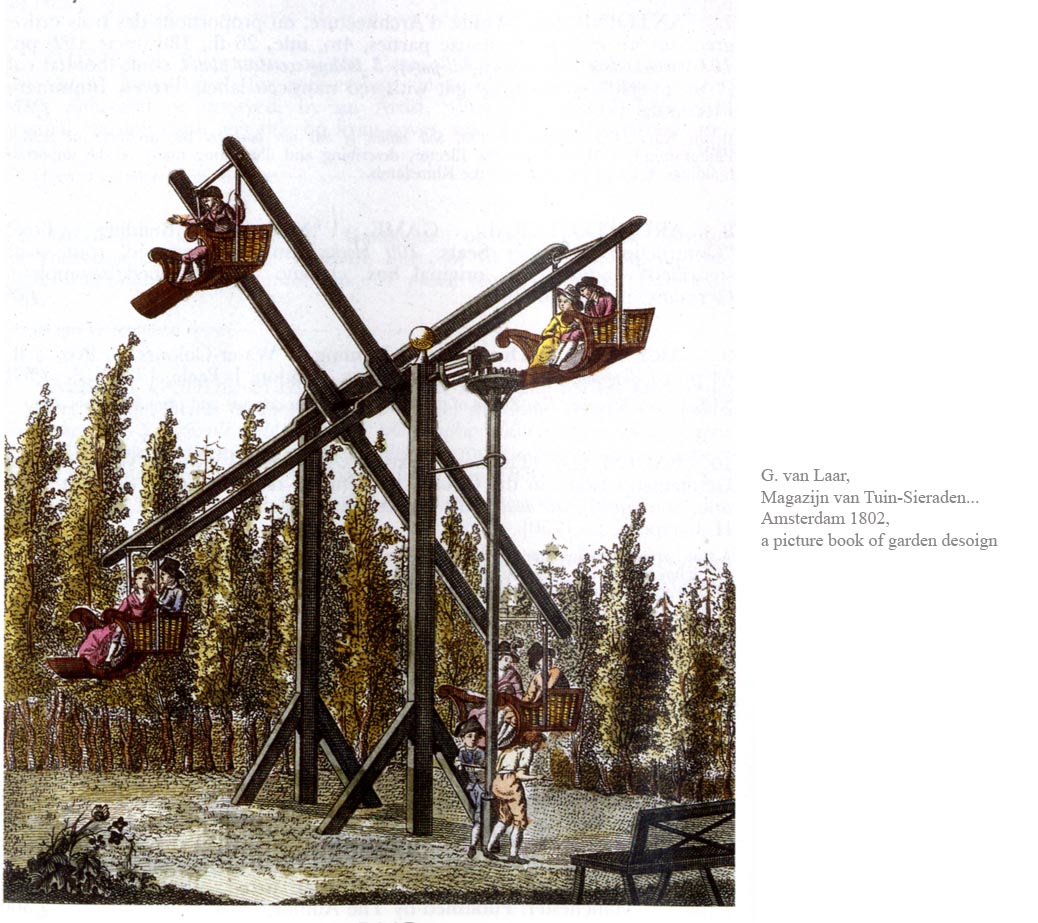
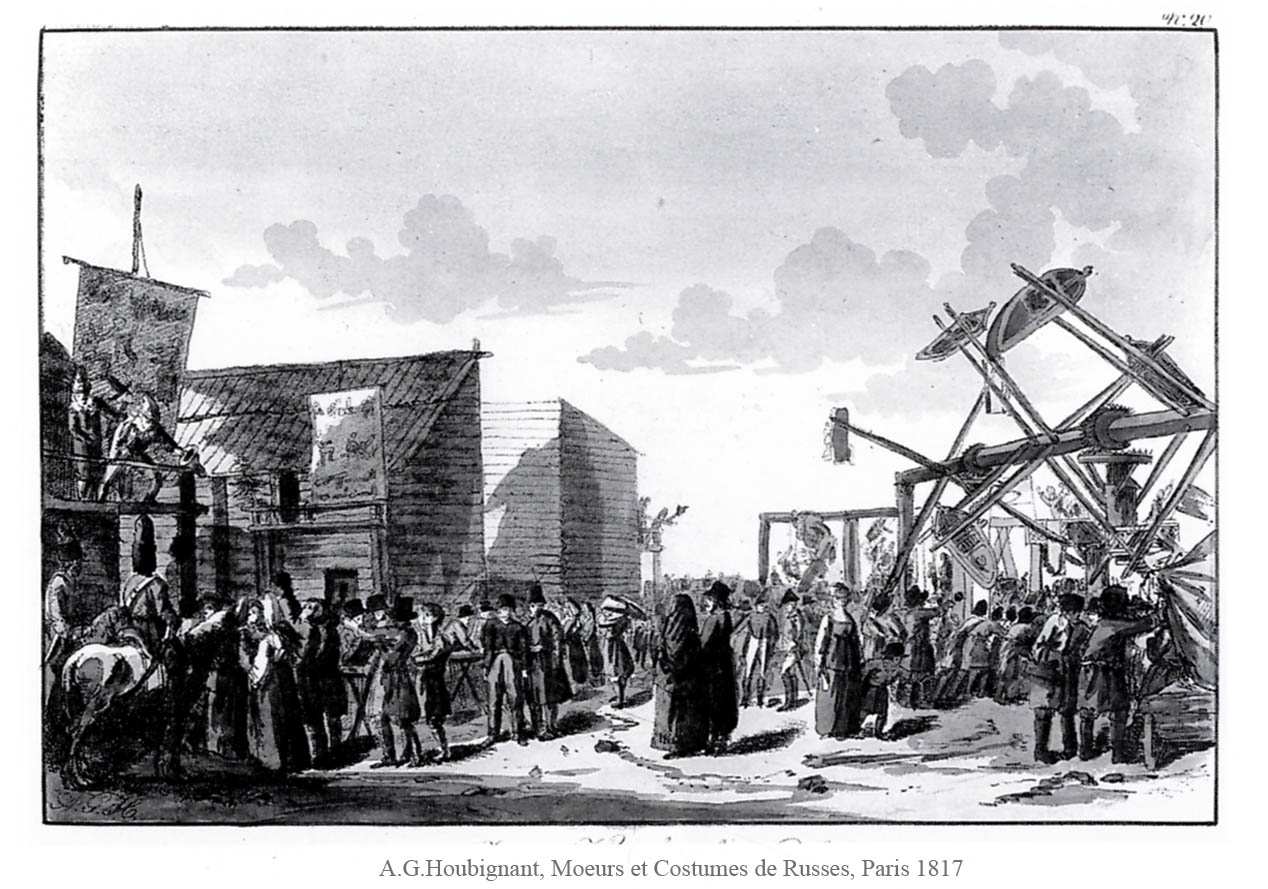
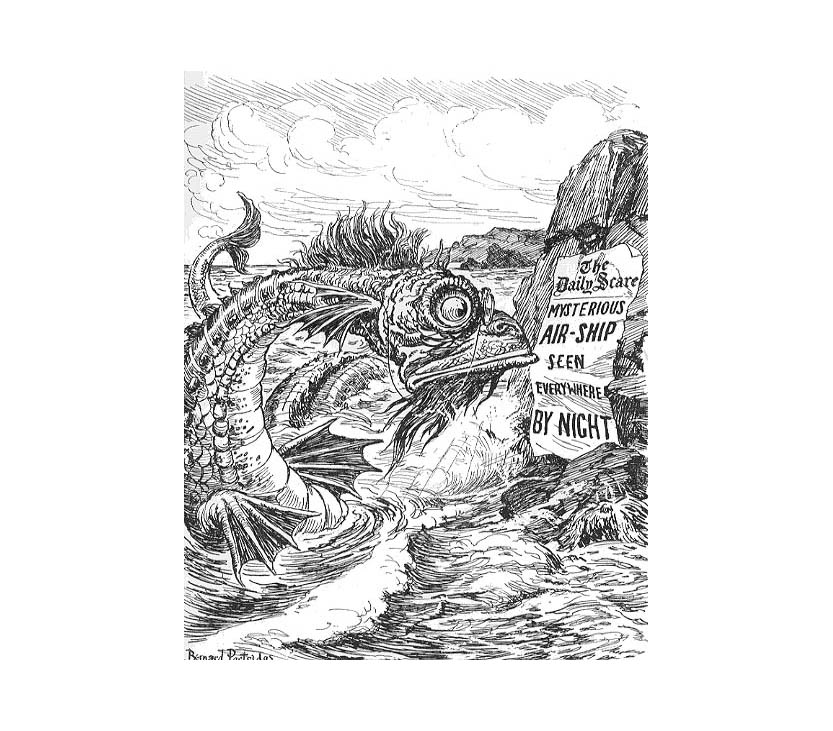
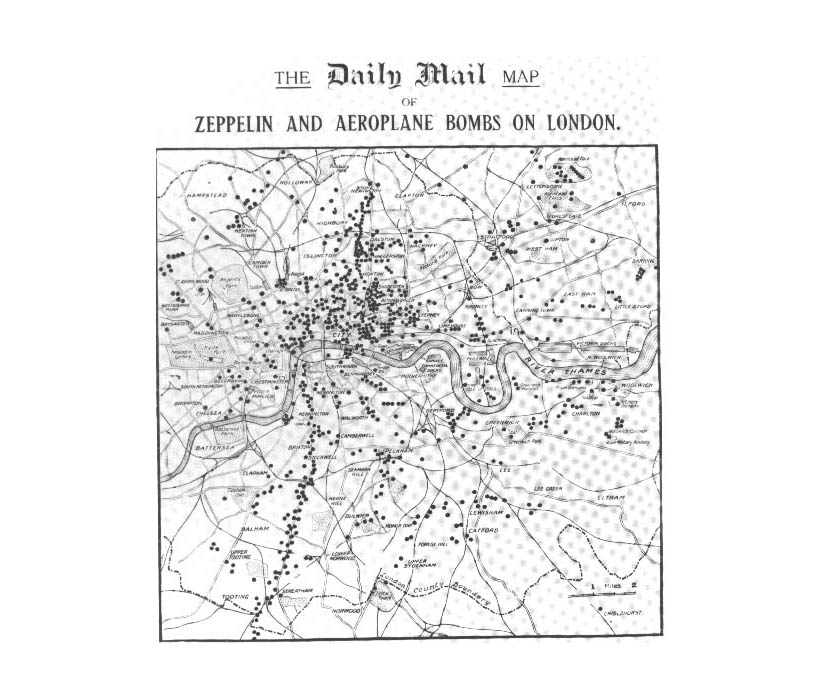
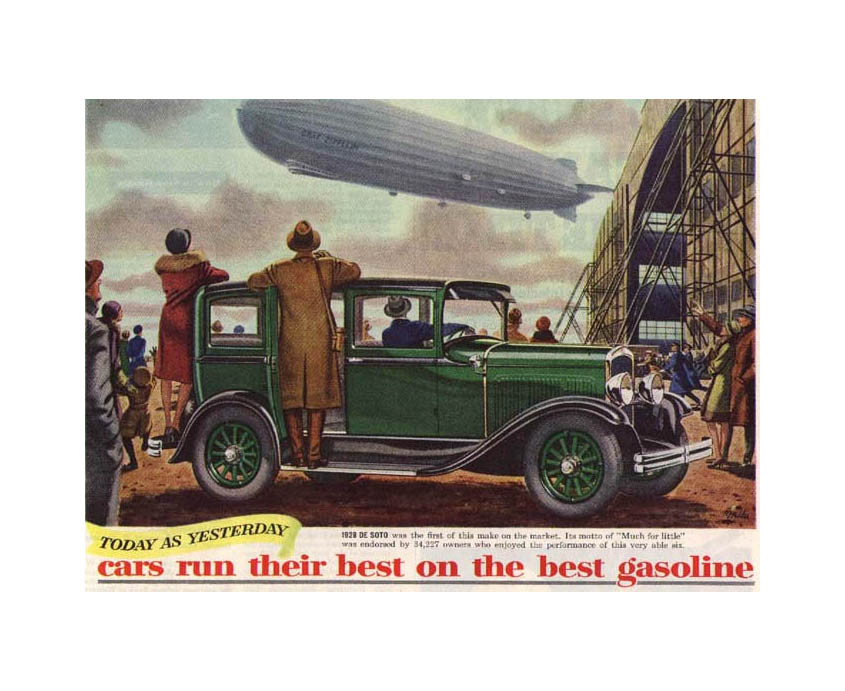
(01) The Swingboat, Shrovetide Fair, A.G.Houbigant, Moeurs et Costumes des Russes , Paris 1817, influential on Diaghilev and Stravinsky's Petrouchka (02) Bernard Partridge,PUNCH May 26th 1909 p.363, and an example of much national interest in aerial anxiety. Here Punch makes light of the problem but there was considerable unease at airships creeping in under the national defences.the Mysterious Airship seen everywhere by night. (3) The Daily Mail Map of Zeppelin and Aerial Bombing on London 1915. (4) Ethyl Corporation advertisement, 1952, something of the grandeur of the Zeppelin passing over. |
MARK GERTLER and the Making of Merry-Go-Round 76' x 56'; Tate Gallery London, finished by September 1916 and exhibited at the London Group 1917. The subject is close to my heart as it was prepared as an article for Apollo then under the editorship of Denys Sutton, It received the imprimatur of the artist's son, Luke Gertler. After Sutton's death, I heard nothing more. But I still felt that the conscious and unconscious themes not only expressed the balance in the artist between intuition and logic but also added something to this masterpiece of British painting. My lecture was to give a context to the painting, relating it to Gertler's predicament as a Jew under fire in the East End, his interreaction with D.H.Lawrence and Gilbert Cannan. In the process I have researched contemporary imagery of the London Underground and the Circle Line, used by poor citizens to shelter. I trace the impact of Diaghilev's ballets on Mark's generation and have developed a separate database of Zeppelin imagery and ther threat from above.
" Gertler is by birth an absolute little East End Jew.... He is rather
beautiful and has a funny little shiny black fringe; his mind is deep
and simple, and I think he has the feu sacre." Edward Marsh 1913. The talk addresses the problematic subject matter of the painting. Why is the image of the Merry Go Round associated with hysteria rather
than happiness ? What is the significance of the painting in its contemporary context ? What influenced its extraordinary imagery ?
|
THE LECTURE
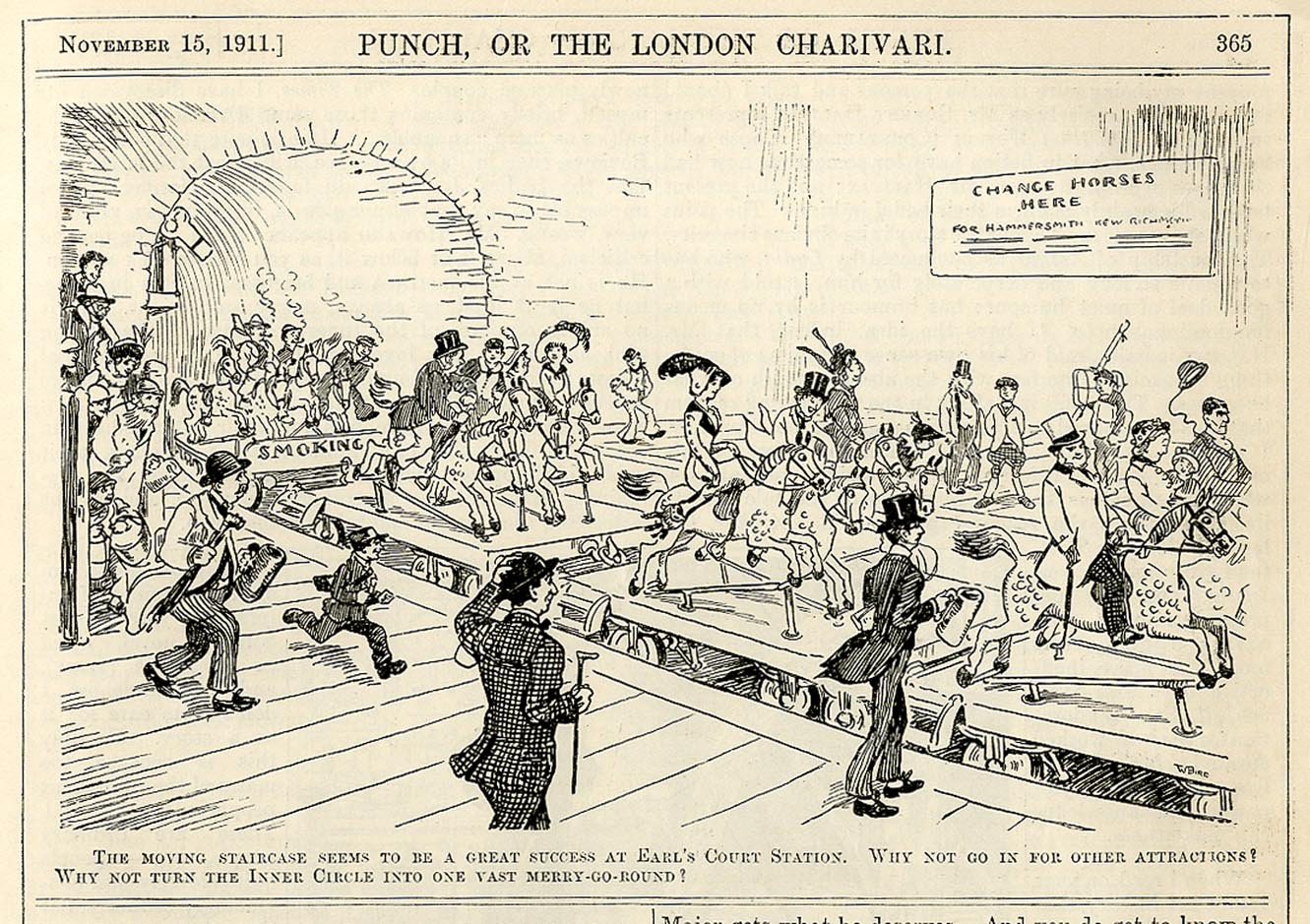
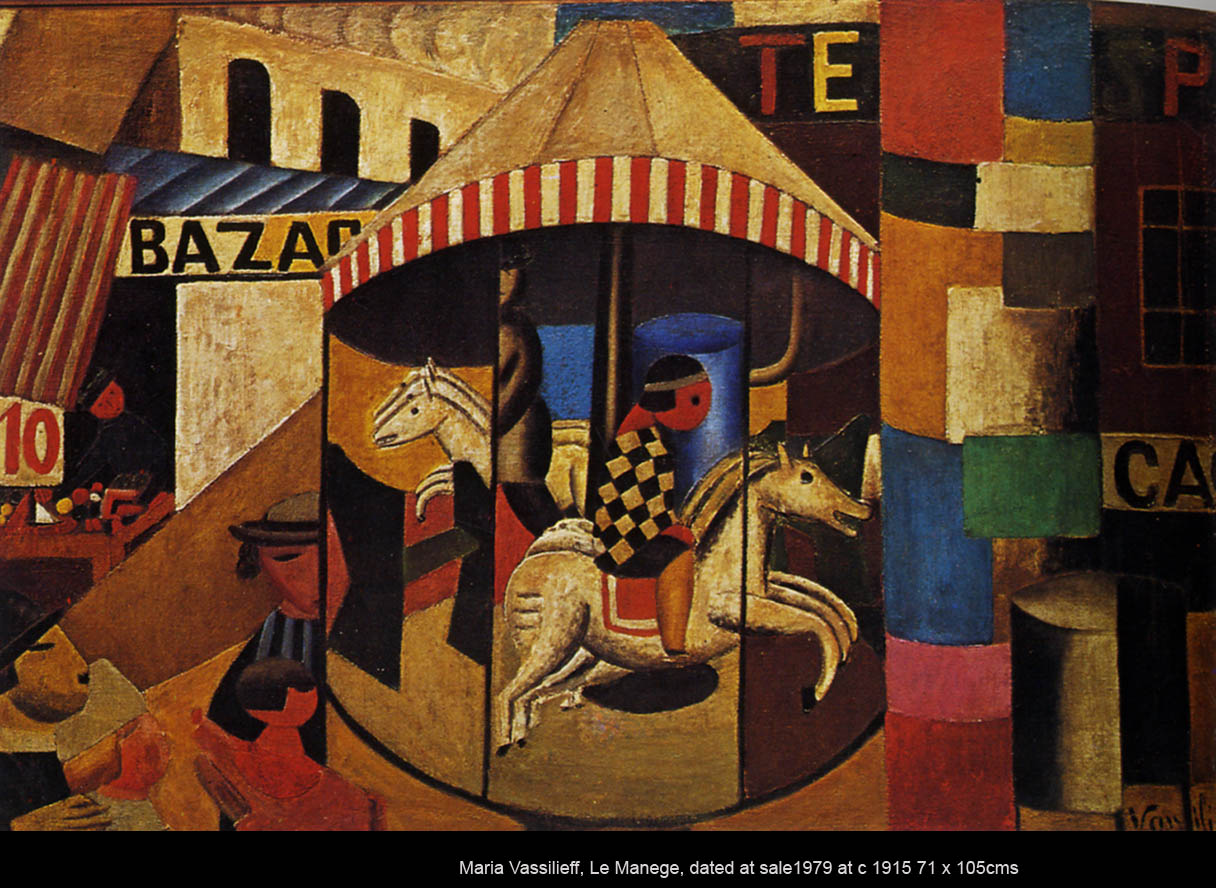
These are the bare bones of a lecture given at the University of Brighton (MA Narrative and Editorial Course) after 1980. Each time I gave the lecture, audiences added more to my understanding. Further reading about London at War 1914-1918 revealed more relevent aspects to the study of the painting. To this day, I still find references to Zeppelins over London, and difficulties experienced by civilians at the start of Mechanised Warfare, harmonise well with an understanding of the mood Gertler had created in this work. I saw the painting at the Ben Uri Gallery before it was transferred to the Tate Gallery, a terrible and grave painting that oppressed and puzzled. In the Ben Uri it was difficult to get back from it and it was frighteningly oppressive. It was certainly unlike anything else I had ever seen, and was unbelievably painted by a British artist. I was told by the Curator that there was a huge weight of pigment on the back of its canvas because, standing unsold in his studio, face turned to the wall, it bore the scrapings of Gertler's palette on a daily basis. The image of the Merry-Go-Round as Carnival attraction struck a resonance with me because from childhood I always feared the mad, abandoned machine fixed to the Fairground floor. Hitchcock chose the Merry Go Round increasingly out of control as a setpiece in Strangers on a Train. Giving money for the privilege, you sit clutching a garish chicken or horse screaming with pain, then as the machine is activated, you share the air of hysteria gradually gathering among the riders and their spectators, with the earspiltting music that accompanies the experience. The wheeling shapes circling above above the steel machine seemed more ominous than clouds (which was one explanation). Contemporary influences (either consciously or unconsciously) absorbed by the artist,seemed to require closer study. As always D.H.Lawrence was attuned to the energy of the work and its emerging programme of meaning. The example of the Shrove Tide Fair in Diaghilev's ballet Petrouchka which most of Gertler's set had seen before 1914 provided one aspect of understanding. The convergence within the image of the Merry-Go-Round, of reflections on the Circle Line as a means for poor East Enders to escape Zeppelin bombing, and the destructive circling of the Moth around the Flame emerged over the years. I submitted an article to Apollo and Denys Sutton. Luke Gertler read the text and I was most encouraged. It just never appeared.I have ceased to write to persuade, but here present the central texts and thoughts for you to construct into what you will. The perfectly turned argument that finds an admiring peer review before an acclaimed academic publication seems hollow now. Much more exciting is the way in which exploration of the context in which a work of art was created helps to bed it down in the imagination, establishing a persuasive direct line to the impulse of image making. It helped I was teaching practising artists, many of whom were intellectually incapable of the towering structures later generations of scholars may infer. The previous art historical analysis of the painting was primarily style based whereas the rawness and impact of the painting seemed to demand discussion of direct responses to experiences of the War on the Home Front - • the sublime spectacle of destruction of life and property from the air; • bewildered civilians taking shelter in the Underfound and in particular using the Circle Line to escape the bombing; • Gertler's guilt at being protected in Hampstead while his family living in the East End were in danger of being bombed; • the pictorial possibilities of the scenario accommodating a cross section of British society trapped in the claustrophobic cycle of destruction; •set against an understanding of Diaghilev's ballet Petrouchka (set in a fairground) as symbolic of the destruction of the innocent by brute force.
Incidentally. I found in the archives of Reckitt and Colman's a Zeppelin Detector given away with mustard that calculated for you the likelihood of an attack, based on the direction of the wind.
Here is a small collection of visual material I have collected over the period that tests my own responses to thechaos of destruction and its peculair attraction. The Menu includes also responses from a wide range of people to the spectacle of Zeppelins over London. Reflections on aerial bombing in 1916 certainly chimed well with my anxieties experienced in the 1980's in Norwich, being at the epicentre of the American airbases. ............................................................................................... THE IMAGERY OF THE UNDERGROUND
............................................................................................... GERTLER PAINTINGS OF THE PERIOD
............................................................................................... THE IMAGERY OF AERIAL BOMBING
|
BOOKLIST
|
... SELECTED DATES Born
in Spitalfields, East London; |
 ...................