











|
|
|
|
|
|
|
|
|
|
|
|
|
|
|
|
|
|
|
|
|
|
|
|
|
|
|
|
||||||||||||||
|
|
|
||||||||||||||||||
|
|
|
||||||||||||||||||
|
|
|||||||||||||||||||
|
|
|
|
|
|
|||||||||||||||
|
|
|
|
|
||||||||||||||||
|
|
|
|
|
||||||||||||||||
|
|
|
|
|
|
|||||||||||||||
|
|
|
|
|
||||||||||||||||
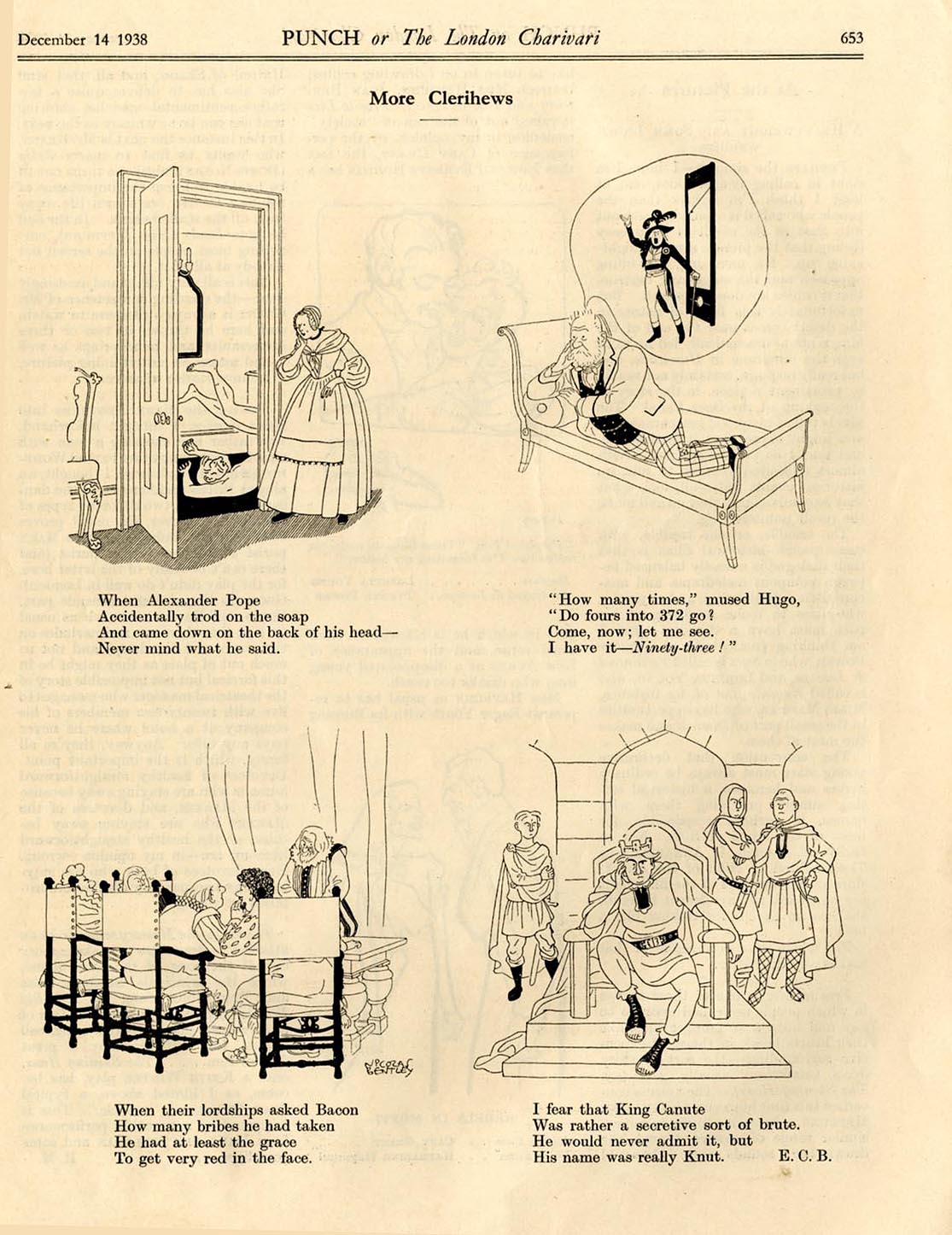
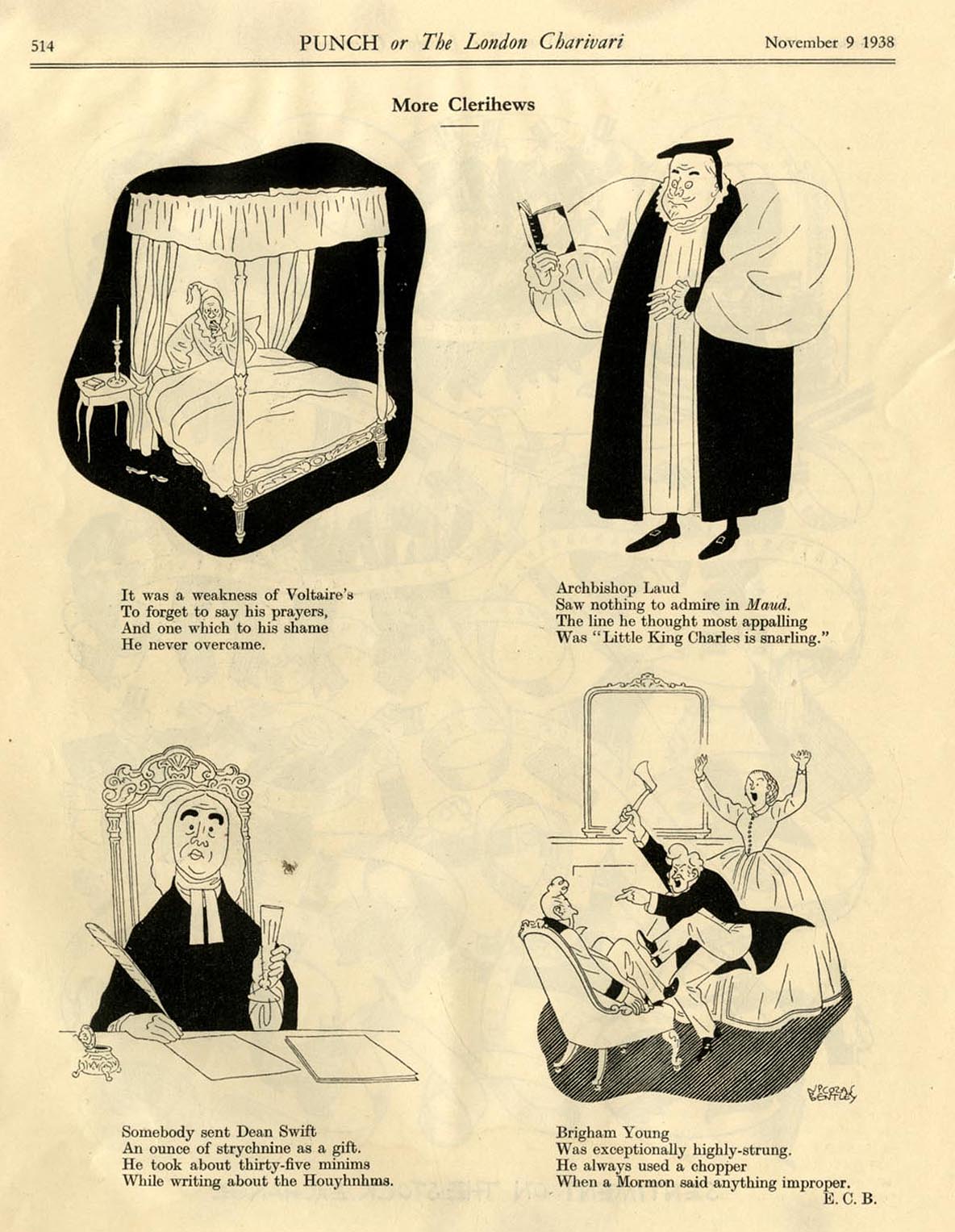
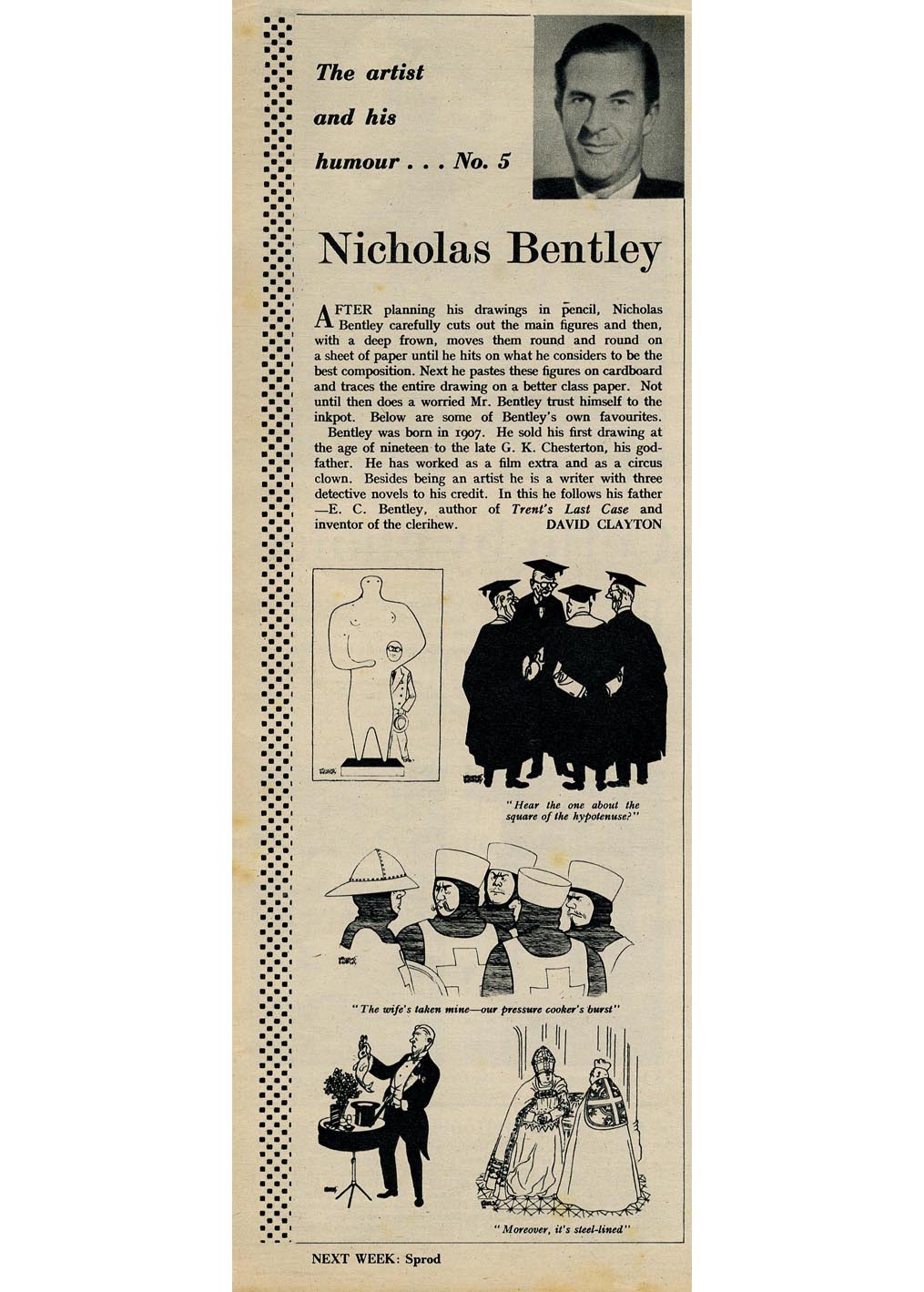
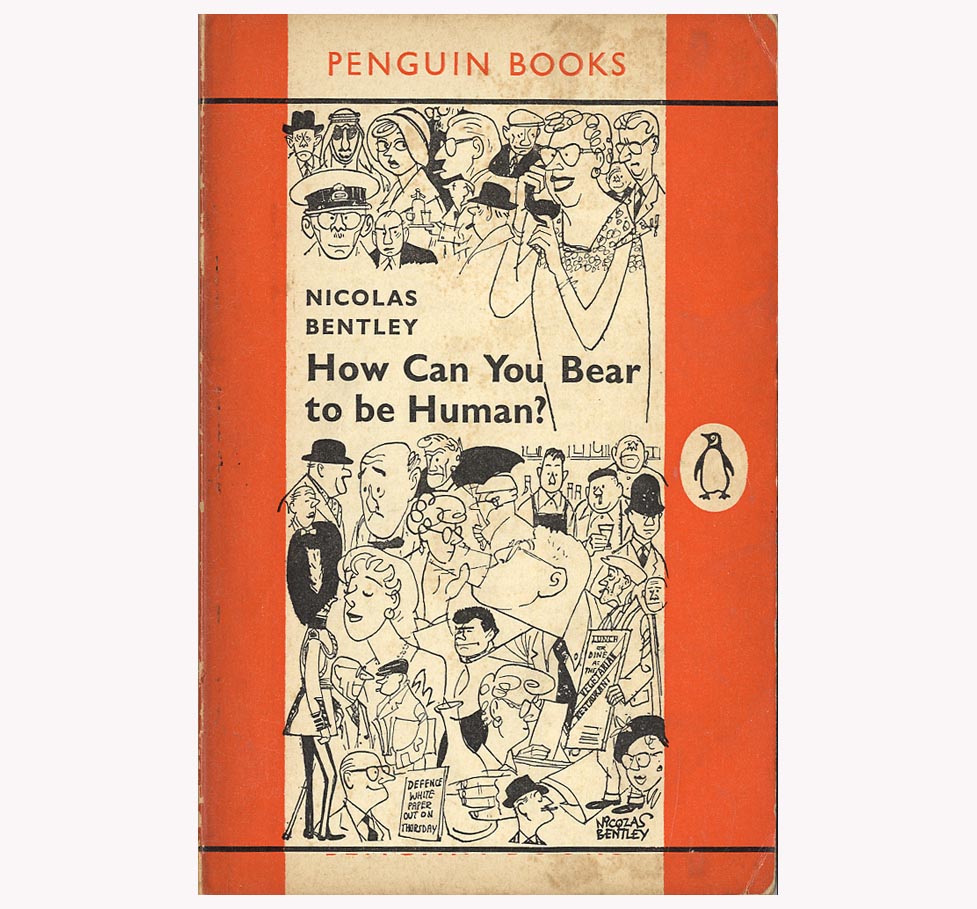
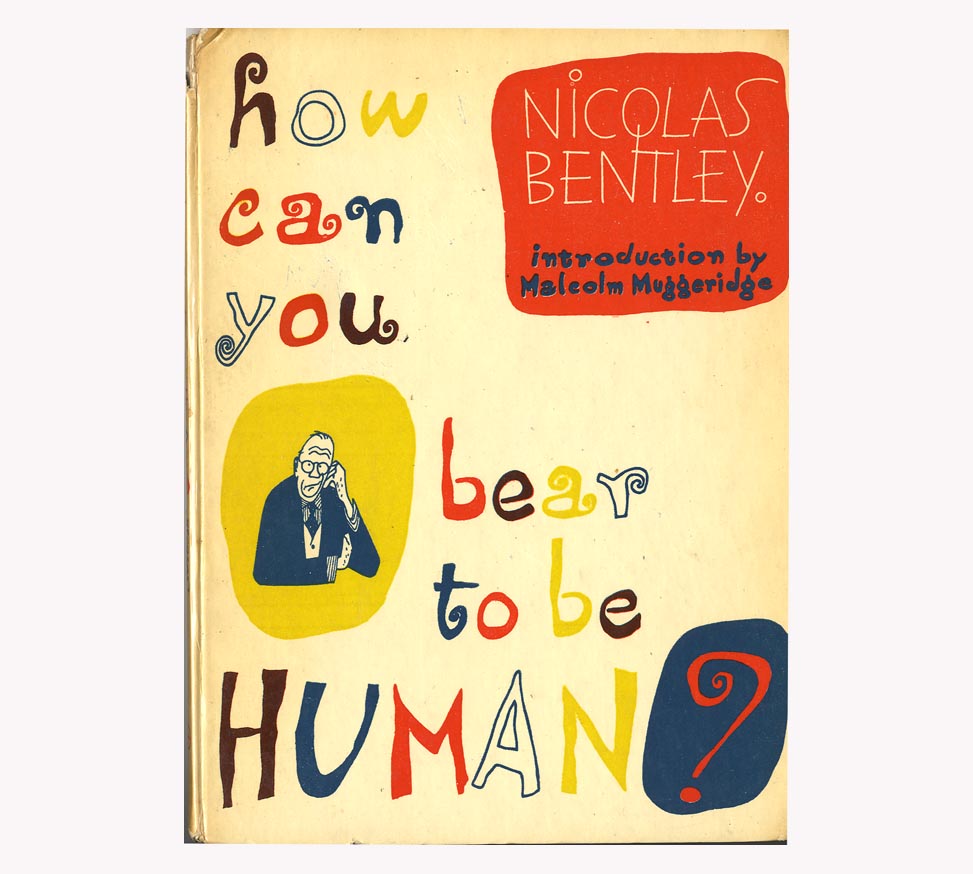
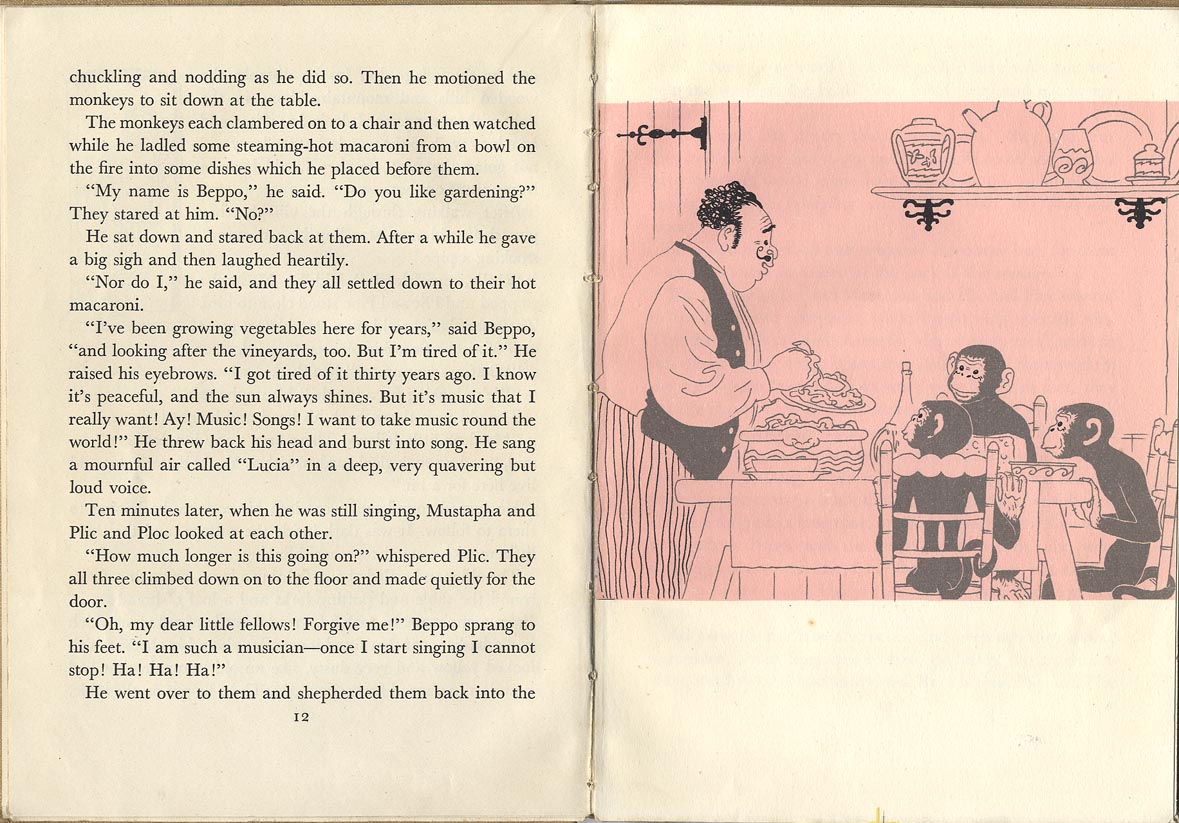
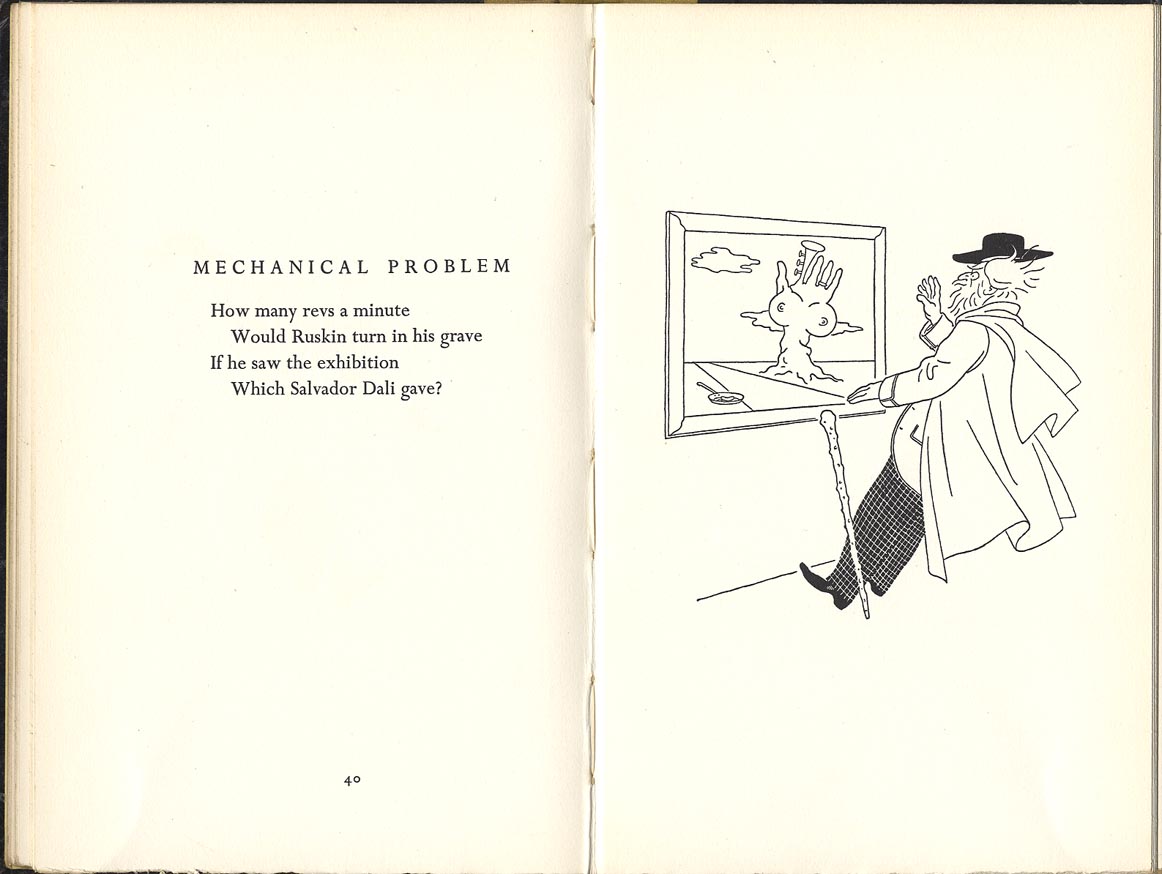
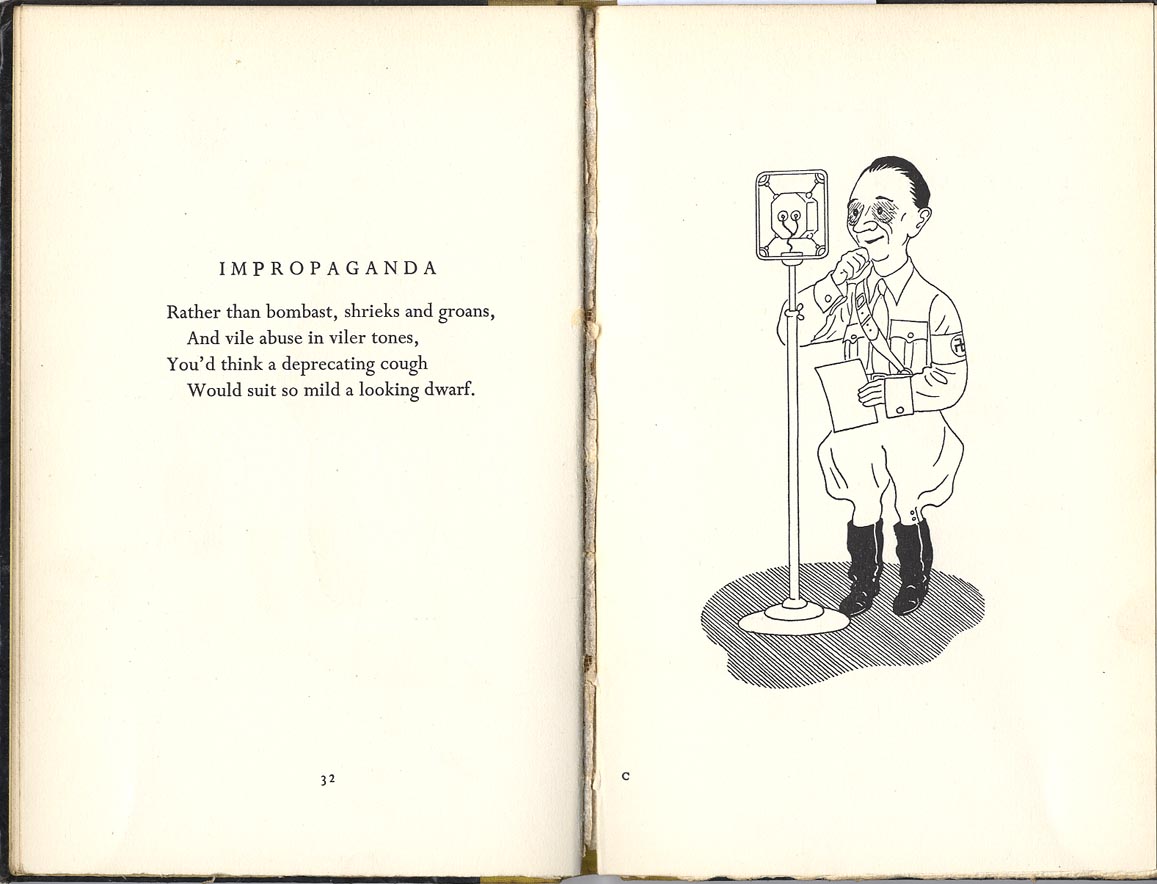
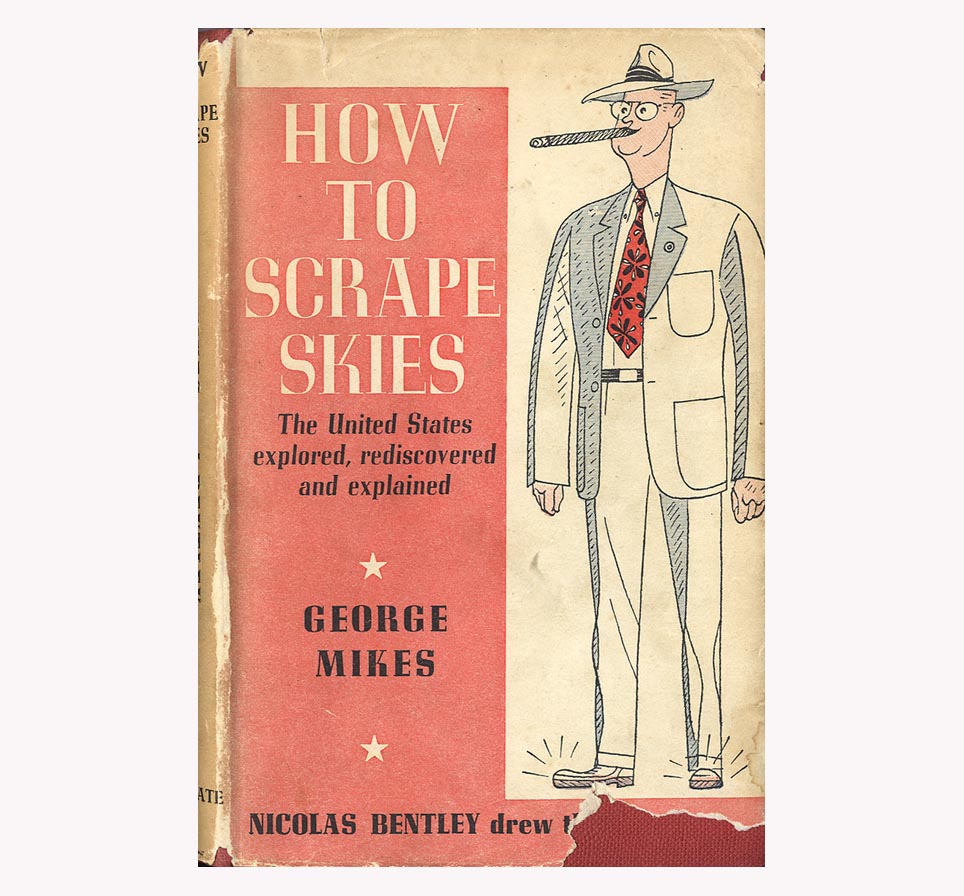
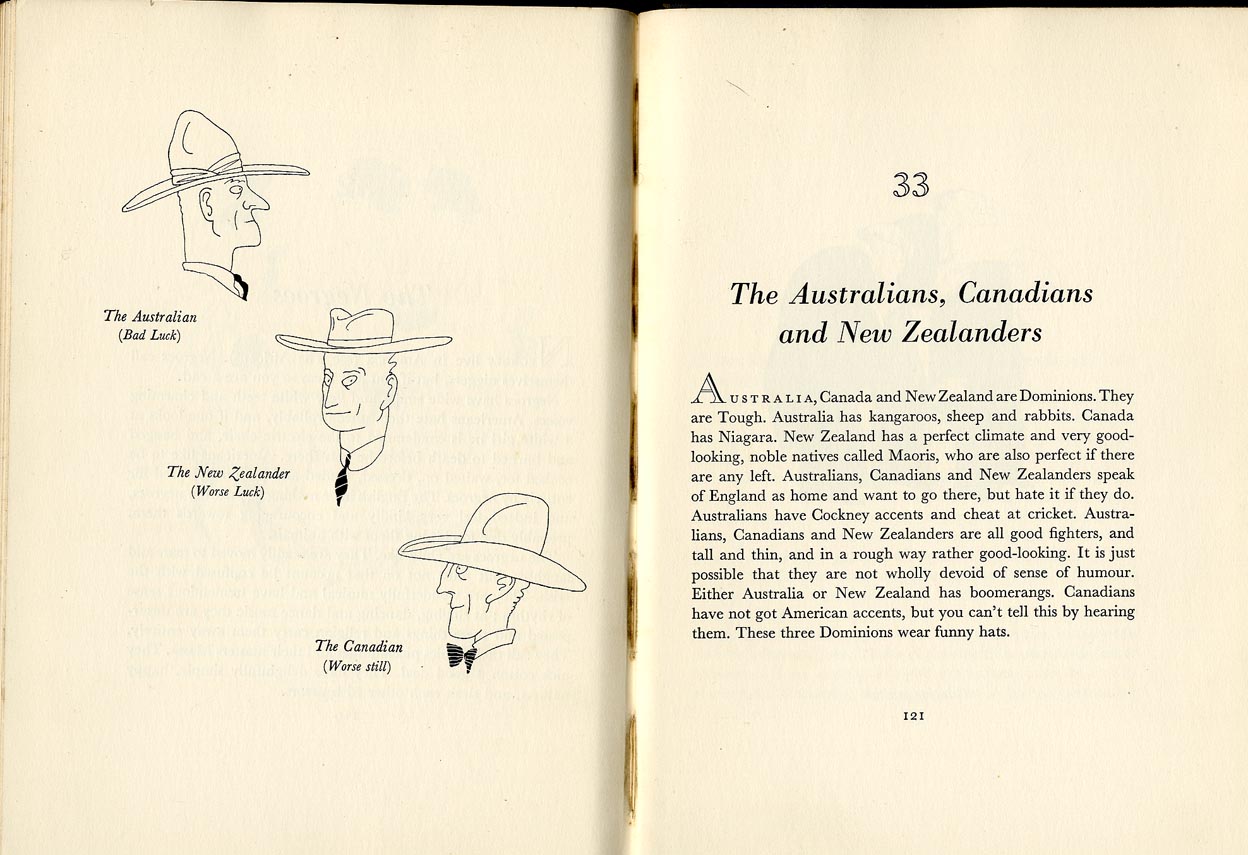
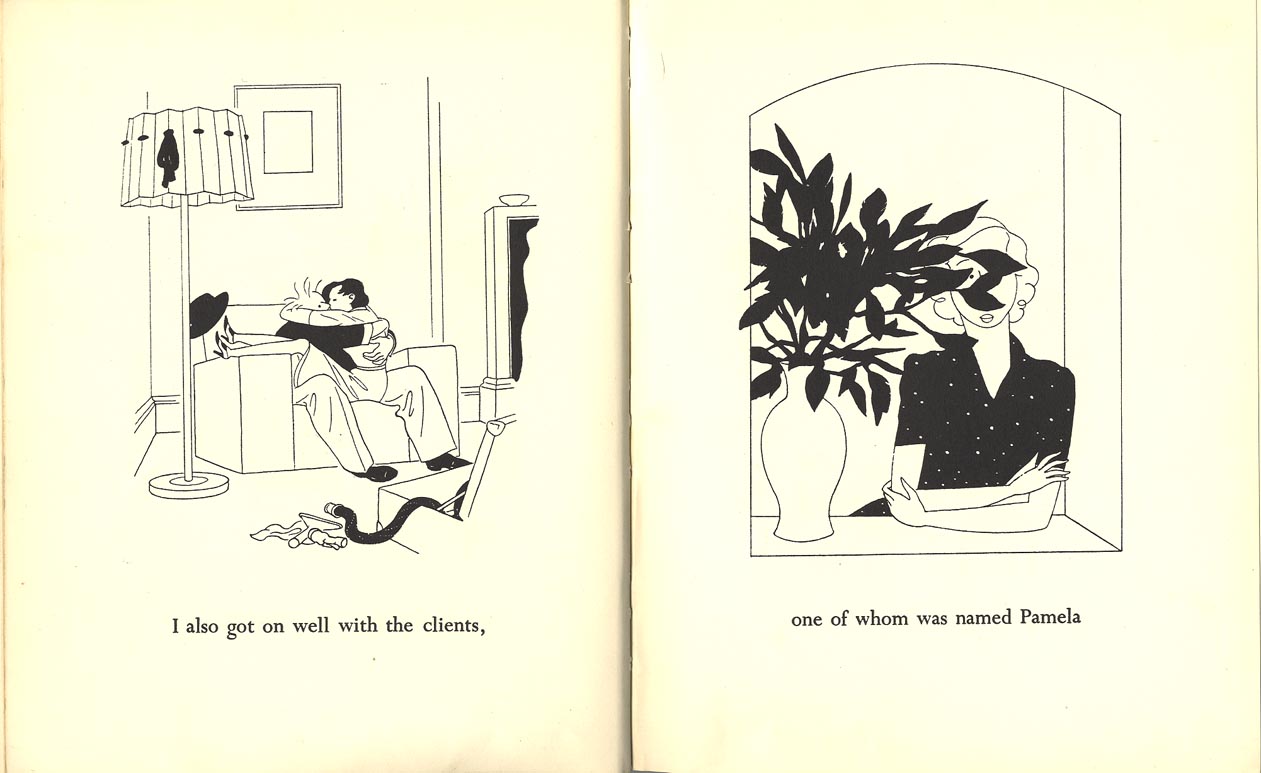
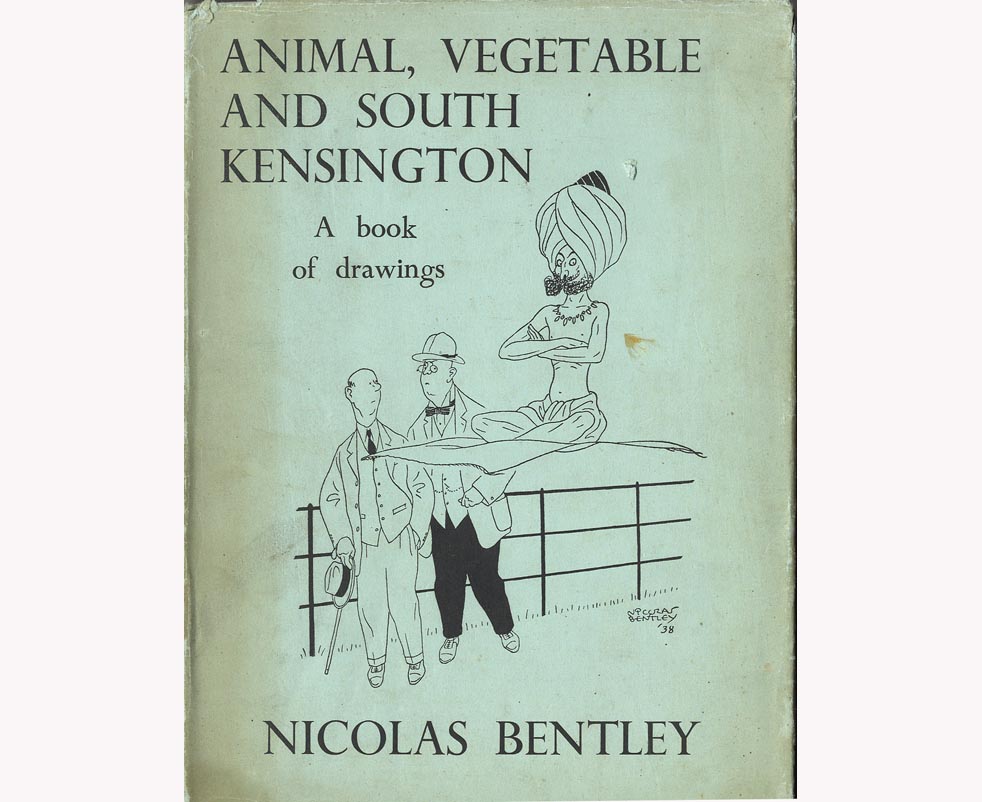
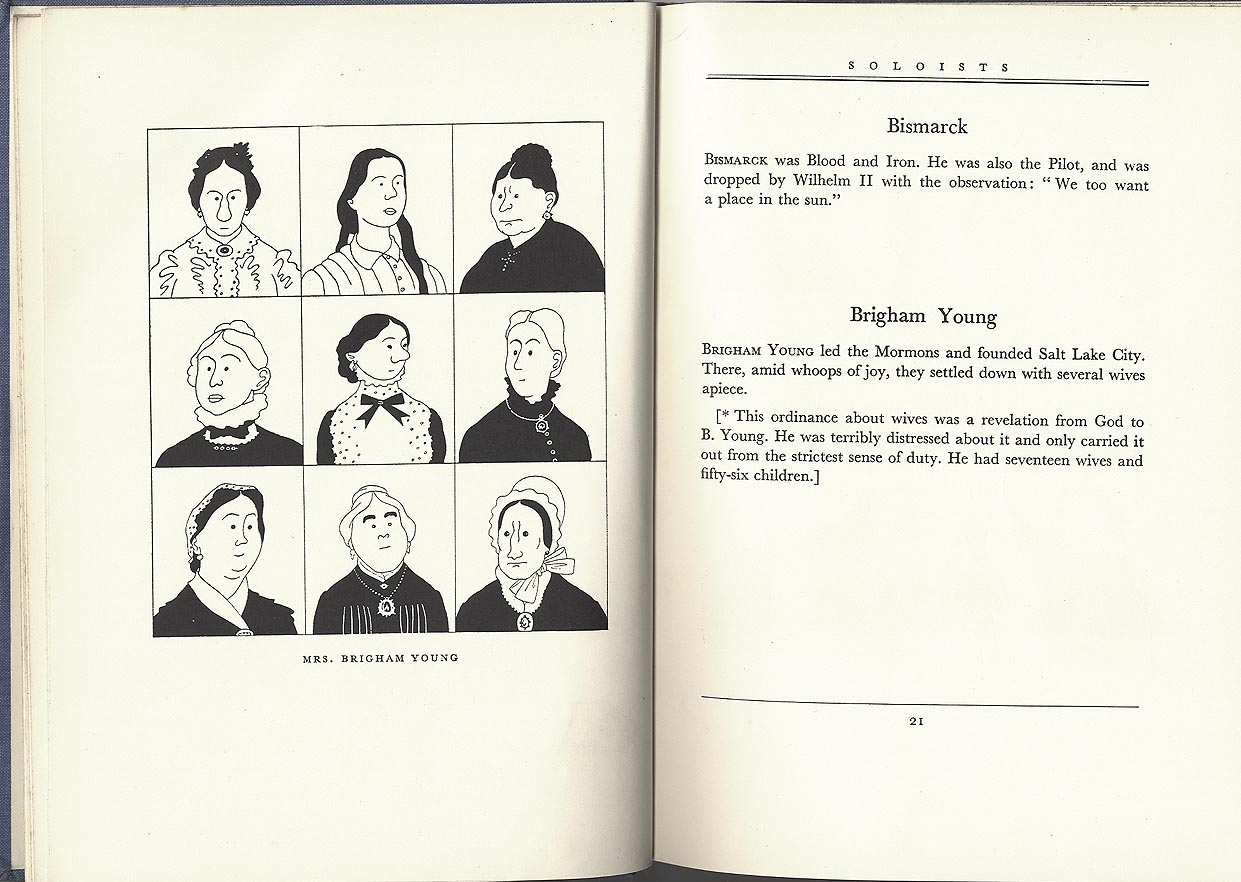
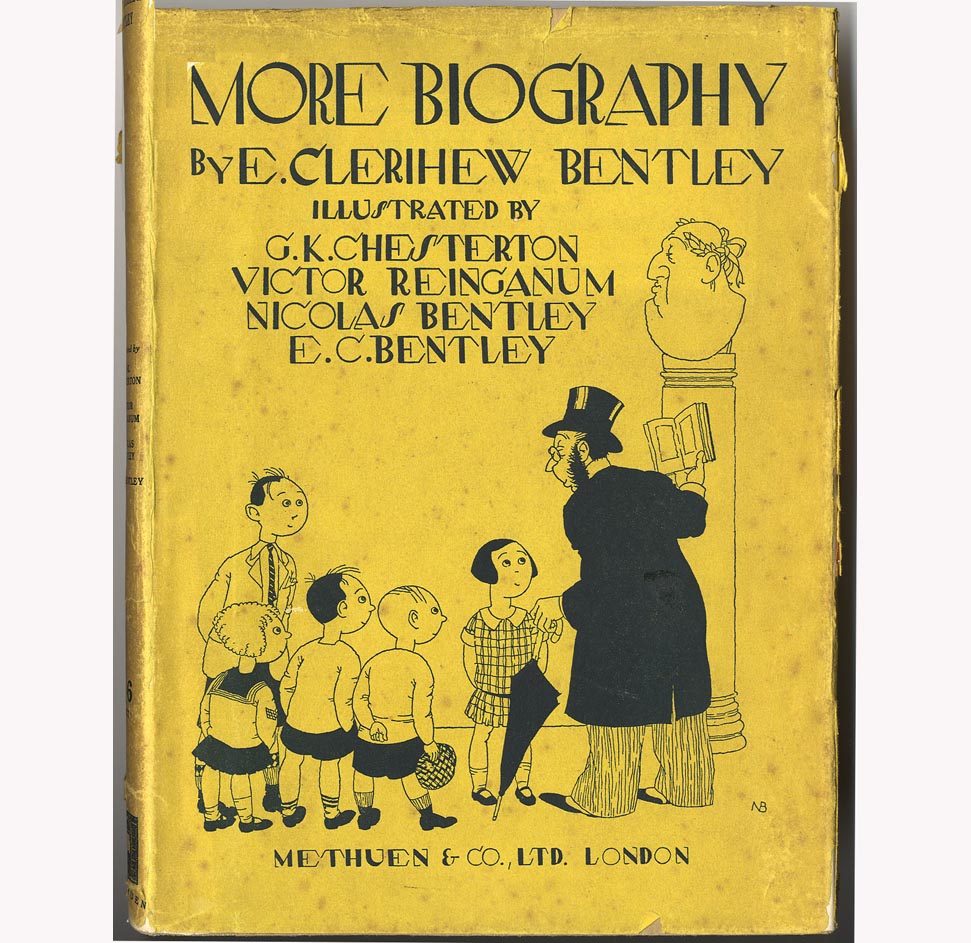
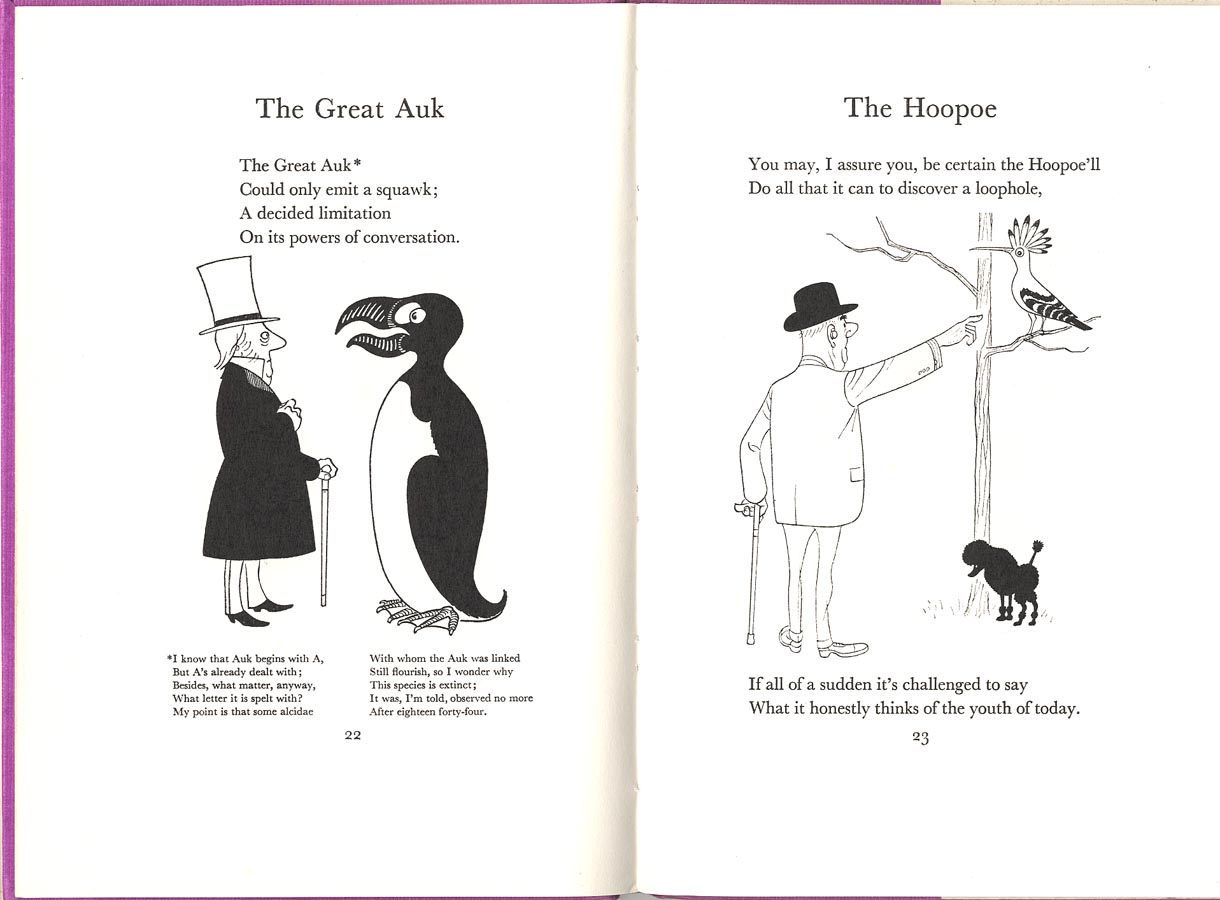
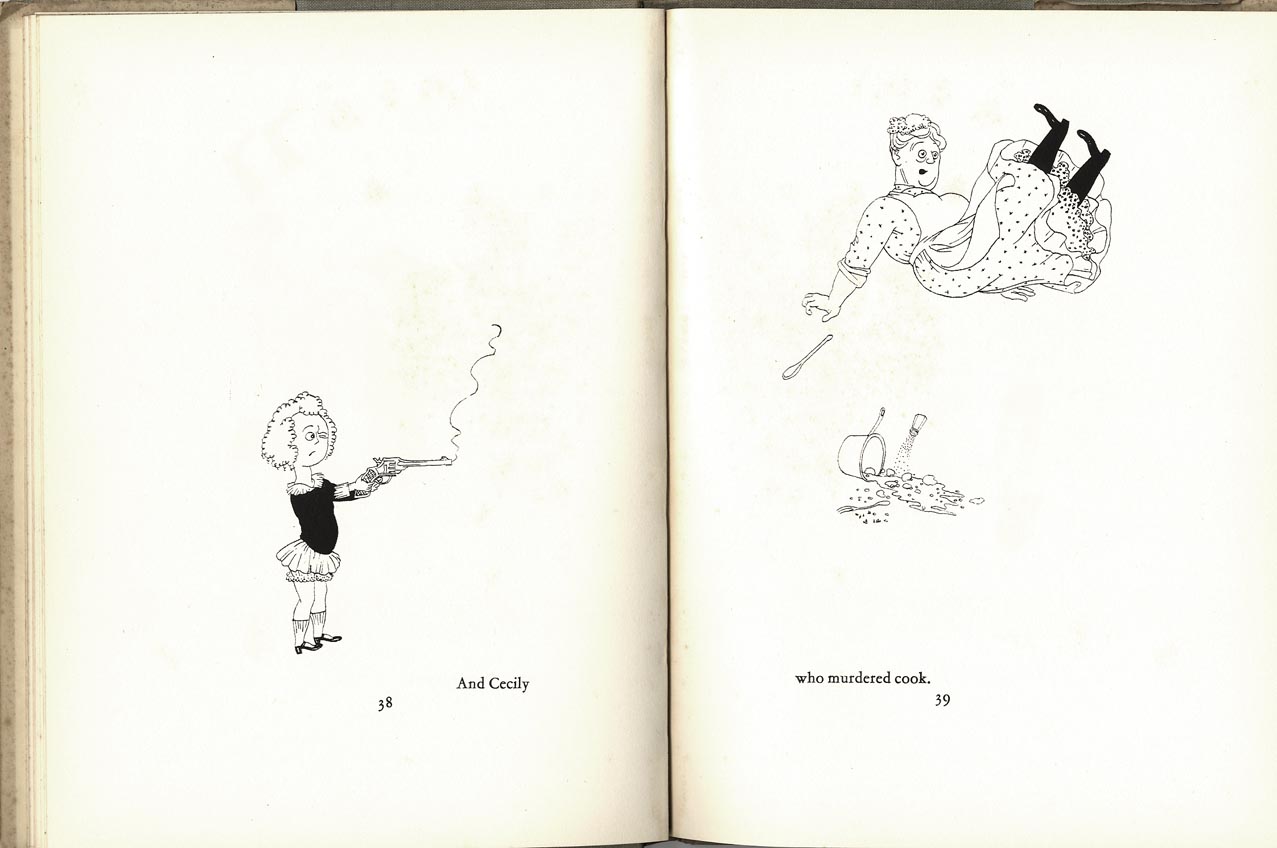
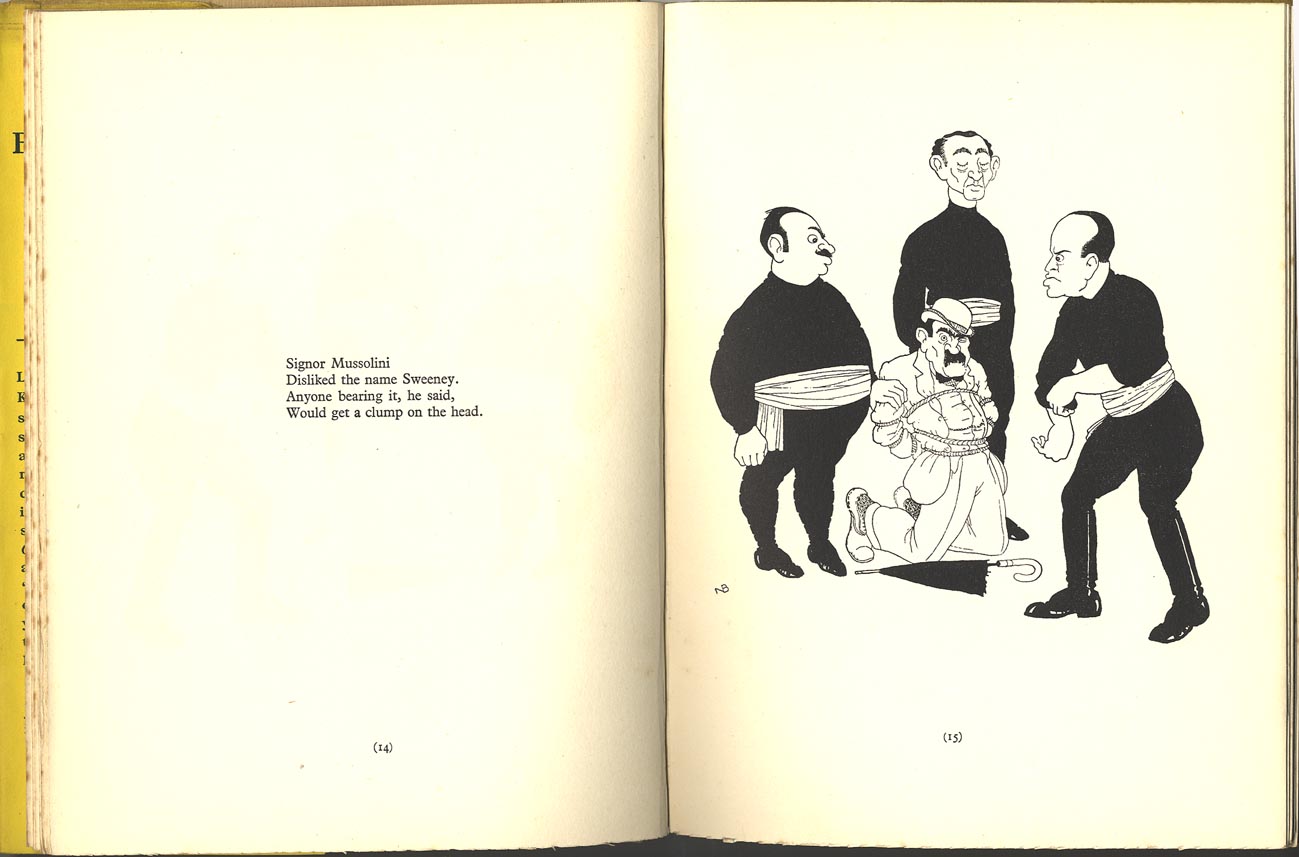
Nicolas Bentley 1907-1978 This is but a small fraction of the work of this prolific artist whose illustrations can still be found in profusion in secondhand and new bookshops. The obvious comparison is with Gluyas Williams, a similar sharp line style with black infIll. The comparison shows how special was Bentley's work in depicting characteristic gestures and stances of the age. I am grateful for them both. Perhaps it was Bentley who was a particularly influential part of the British influence on Smart Set illustration in America.
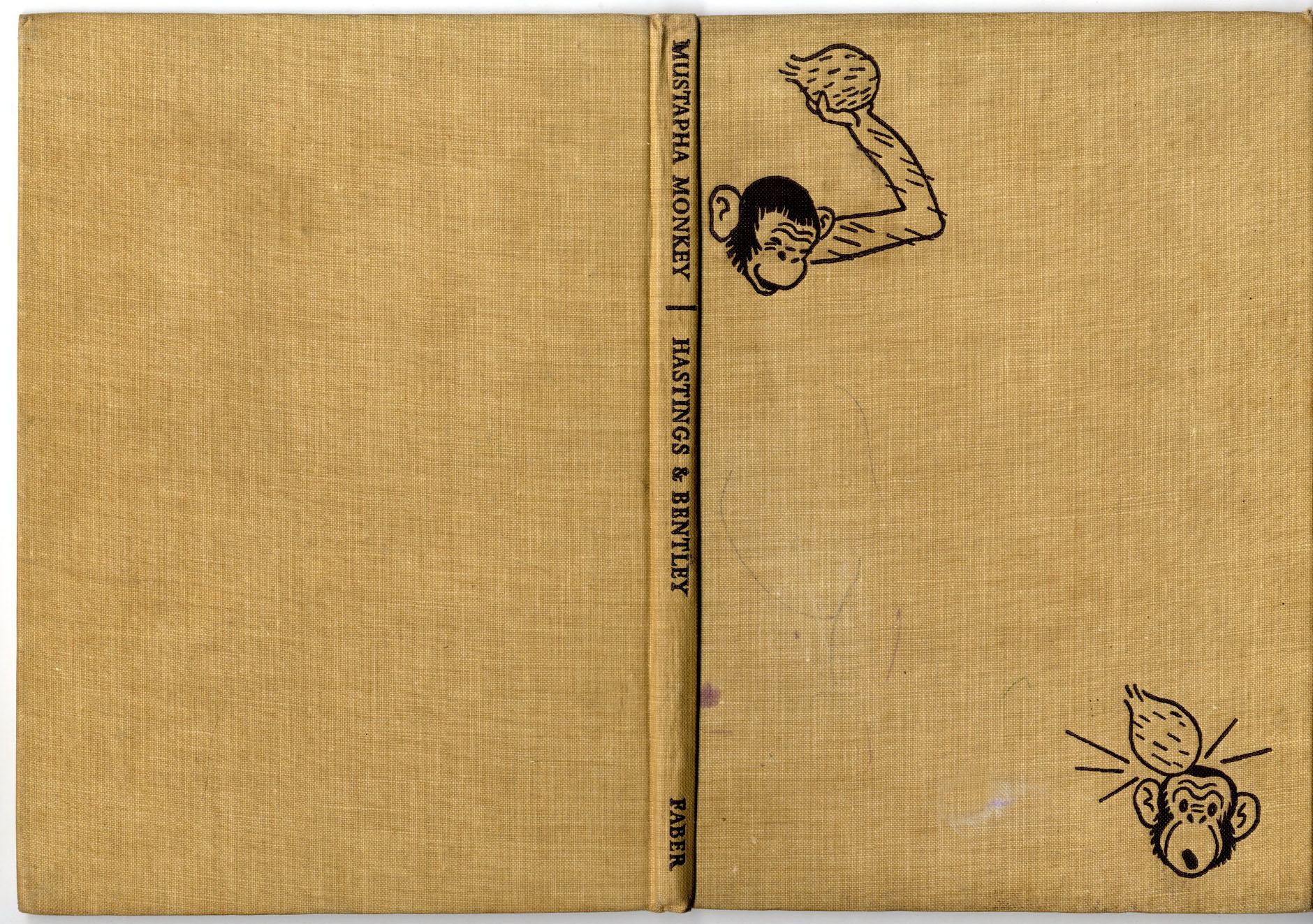
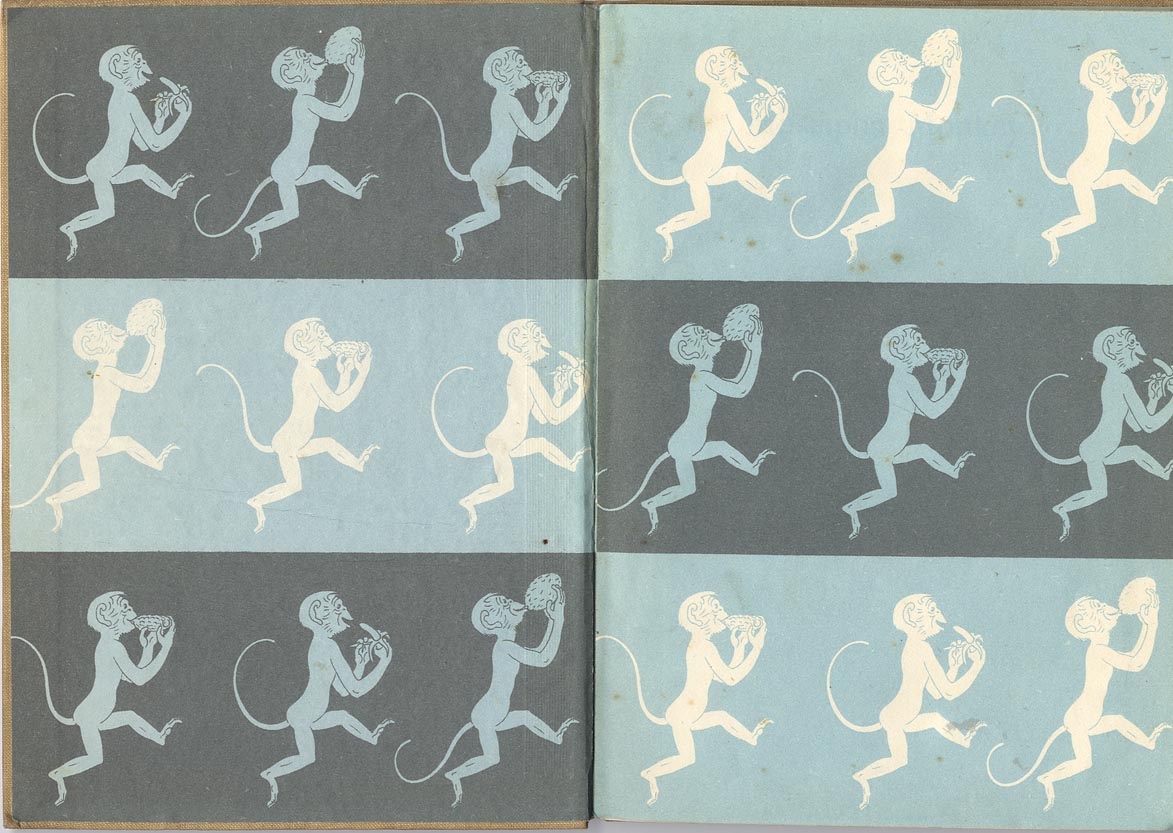
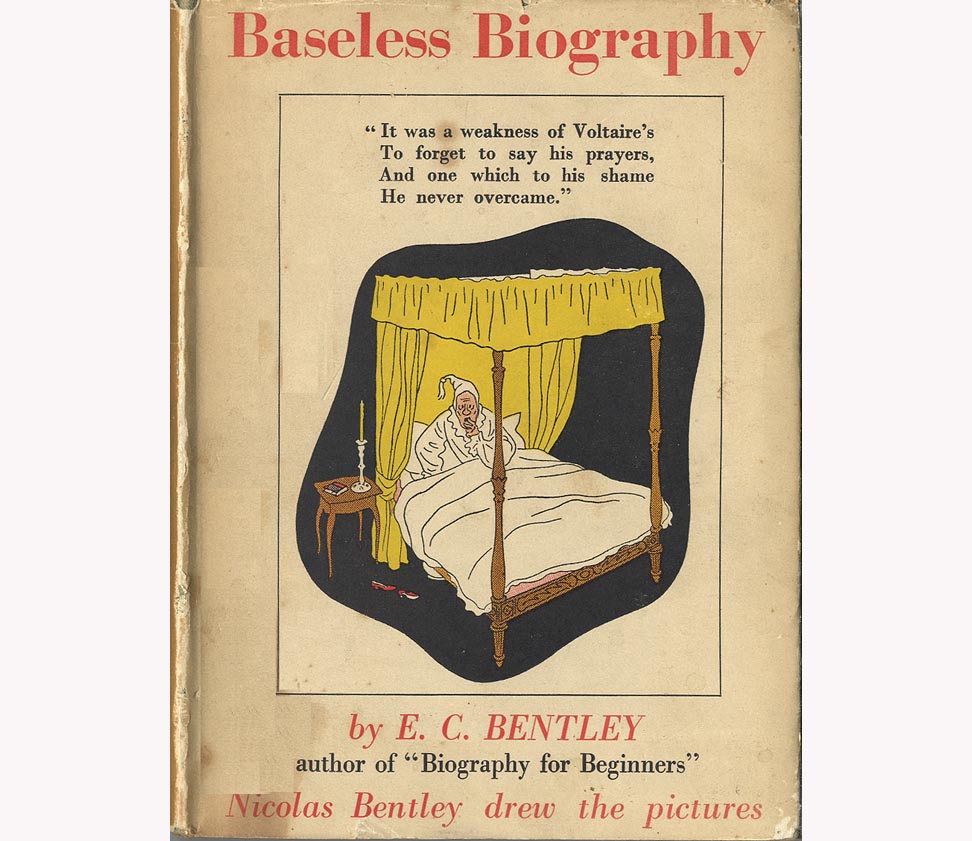
Bentley rarely had the opportunity to construct a sustained body of interpretative visual work, which makes his illustrated books so worthy of study. He does seem more comfortable in the one-off drawing, or several drawings on a similar theme. I have added colour because Bentley is so associated with black and white. The endpapers Bentley designed are so easily overlooked.
|
|